Flower Bed Border Ideas 2026 are redefining the way we design and experience our gardens. No longer just a practical edge to separate lawn from planting, borders have become artistic statements that frame flower beds like living works of art. In 2026, homeowners and landscape designers are embracing creative, unusual, and sculptural edging solutions that add personality, structure, and visual drama to outdoor spaces. From modern metal silhouettes to organic stone arrangements and eco-conscious materials, today’s garden borders blend functionality with bold design.
This year’s trends focus on texture, contrast, sustainability, and architectural impact. Whether you prefer minimalist lines, boho-inspired details, or luxury designer finishes, the right flower bed border can completely transform the look of your landscape. In this article, we’ll explore the most stylish, unique, and inspiring flower bed border ideas for 2026 to help you create a garden that feels intentional, artistic, and truly one of a kind.
1. Sculptural Metal Garden Borders With Modern Silhouettes
I often recommend sculptural metal edging when a client wants a clean yet expressive transition between lawn and planting beds. In 2026, metal borders are no longer simple strips in the ground; they are sculptural elements with wave-like silhouettes, geometric cutouts, or asymmetrical lines. These borders work especially well in contemporary landscapes with open lawns, architectural homes, and minimalist terraces. From a practical standpoint, powder-coated steel or corten metal provides durability, clear separation of materials, and resistance to weather conditions.
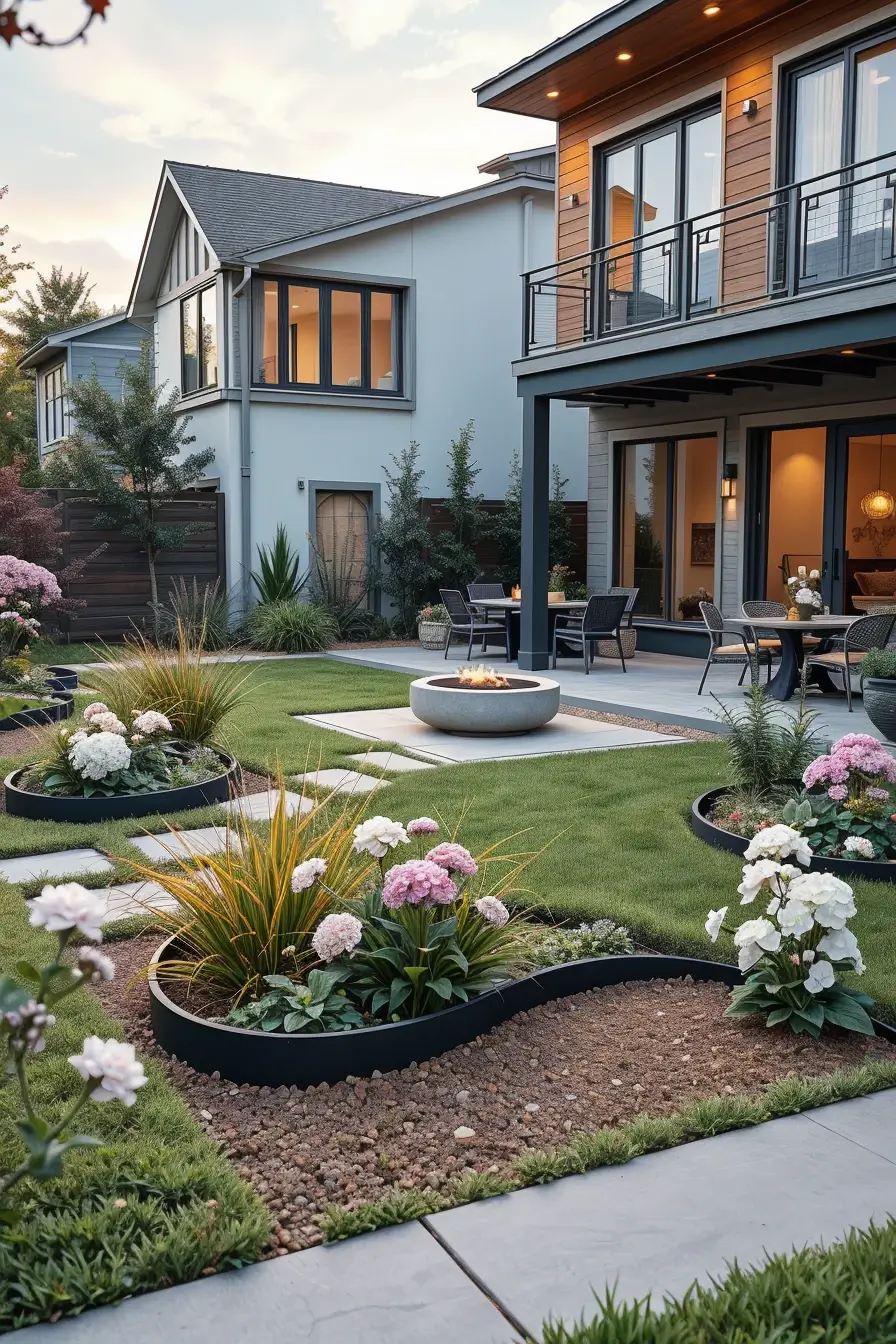
When designing such a space, I carefully coordinate the metal border with other exterior features. For example, if the patio includes black aluminum outdoor furniture, a fire pit, and linear planters, I echo those finishes in the edging. I also consider pathway lighting, gravel textures, and raised beds to ensure visual harmony. The metal border should frame ornamental grasses, hydrangeas, or structured shrubs in a way that enhances their shape rather than competing with them. Every element, from outdoor seating to garden sculptures, must support a cohesive and stylish composition.
From my experience, metal borders are ideal for homeowners who appreciate modern design inspired by publications like Architectural Digest or Dwell, where clean lines and industrial accents dominate exterior spaces. I have found that slightly raised profiles add depth and shadow, especially in evening light. Landscape designers in the US often emphasize repetition of materials for cohesion, and I completely agree with that approach when using metal edging.
In this section, I would additionally specify the thickness of the metal, installation depth, and drainage considerations. Proper anchoring and expansion gaps are crucial to prevent shifting over time, particularly in regions with seasonal temperature changes.
2. Artistic Stone Flower Bed Edging With Organic Shapes
For clients who prefer a more natural aesthetic, I design artistic stone edging with soft, organic curves. In 2026, rigid straight lines are increasingly replaced by flowing forms that mirror the natural contours of the landscape. Stone borders create a grounded, timeless look while still allowing for creative expression through varied textures and shapes. They are particularly effective in cottage gardens, Mediterranean-inspired yards, or transitional landscapes that blend classic and contemporary elements.
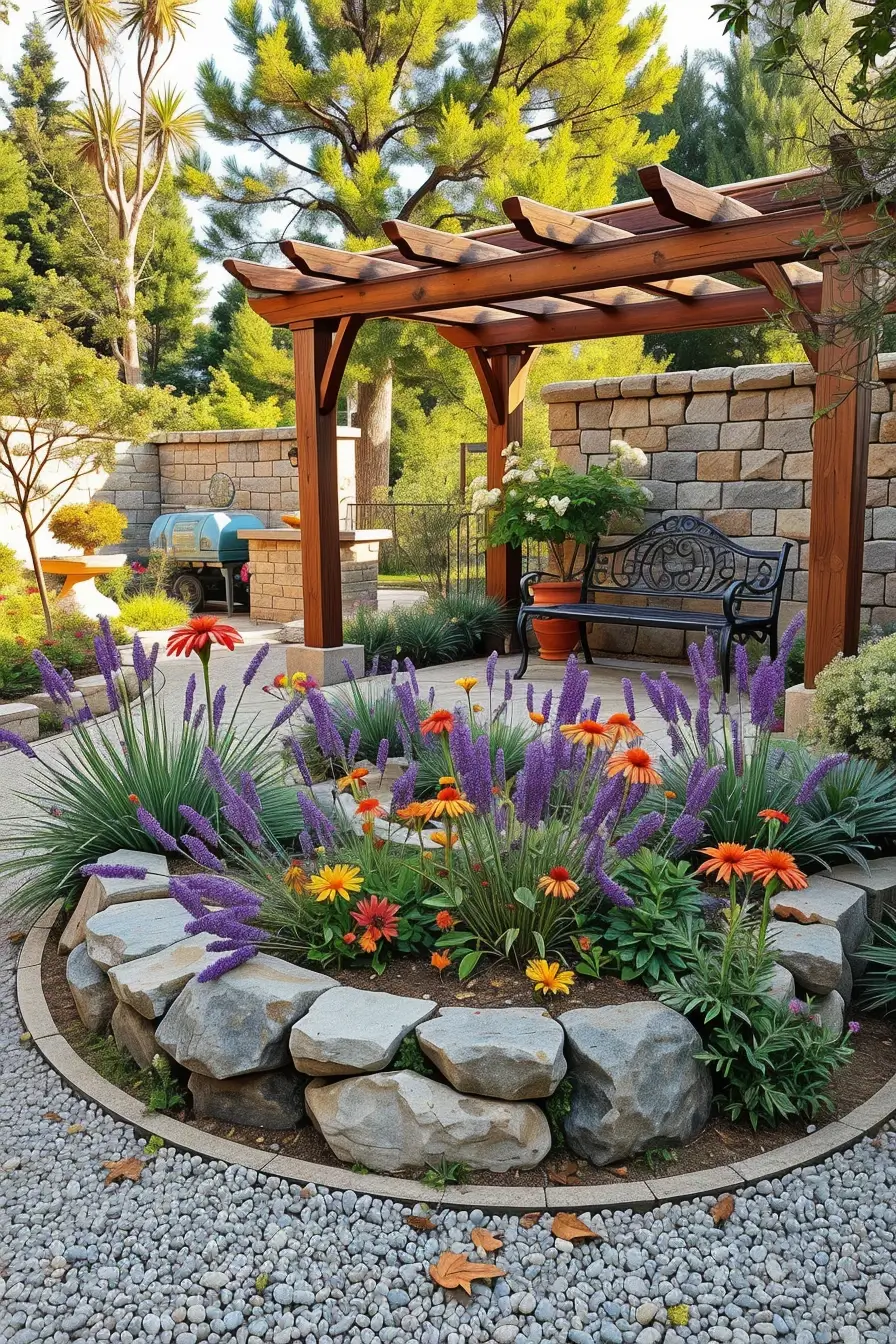
I typically combine irregular fieldstone or limestone pieces with layered planting schemes. Behind the edging, I place perennials such as lavender, echinacea, and salvia to soften the transition. Nearby, I might include a wooden pergola, a wrought iron bench, or gravel pathways to reinforce the organic theme. The stone itself should vary slightly in tone to avoid monotony, yet remain cohesive with the home’s façade. I always ensure the base is compacted properly to prevent shifting and to maintain a professional finish.
Personally, I appreciate how stone borders age gracefully. Over time, they develop subtle patina and blend seamlessly with surrounding greenery. Many landscape experts featured in Better Homes and Gardens emphasize working with local materials for authenticity, and I consistently follow that advice. Local stone not only reduces costs but also ensures harmony with the regional environment.
What could enhance this section further is a note on integrating low-voltage lighting within the stone edging. Subtle illumination highlights texture and creates a welcoming evening atmosphere.
3. Layered Brick Border Designs With Contemporary Patterns
Layered brick borders are an excellent solution for homeowners who want structure without sacrificing warmth. In 2026, I see a shift toward contemporary laying patterns such as herringbone, stacked vertical layouts, and mixed-height edging. These unique flower bed borders provide strong visual definition and complement both modern and traditional homes. Brick is durable, widely available, and highly adaptable to different garden sizes.
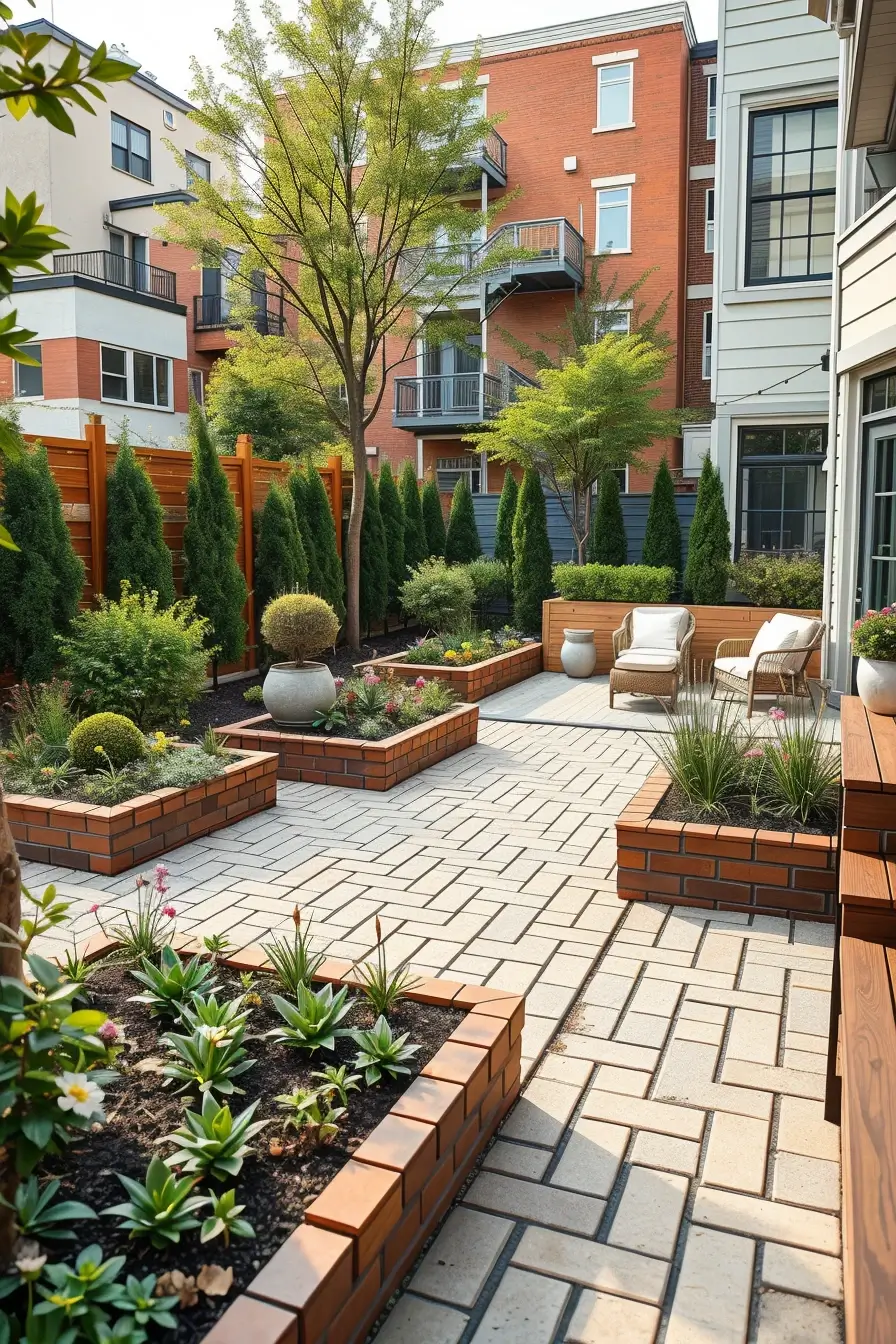
When I design with brick, I pay close attention to color coordination. Warm red bricks pair beautifully with neutral outdoor furniture, light stone patios, and wooden decking. For a more modern feel, I might choose charcoal or whitewashed bricks. I often combine brick edging with raised vegetable beds, built-in seating walls, or structured boxwood plantings. The layering effect can create depth and subtle elevation changes that make the landscape feel more dynamic.
In my professional opinion, brick borders are especially effective in urban gardens where space is limited and clear zoning is necessary. They offer both aesthetic and structural benefits. I also recommend sealing bricks in areas with heavy rainfall to extend their lifespan and maintain color vibrancy.
To strengthen this section, I would add detailed guidance on mortar versus dry stacking methods, explaining when each technique is most appropriate.
4. Curved Concrete Edging For Minimalist Landscapes
Curved concrete edging is one of my preferred solutions for minimalist and contemporary landscapes. Unlike straight concrete strips of the past, 2026 trends favor smooth, flowing curves that guide the eye through the garden. These borders feel refined, understated, and highly stylish, especially when paired with monochromatic planting schemes and architectural homes.
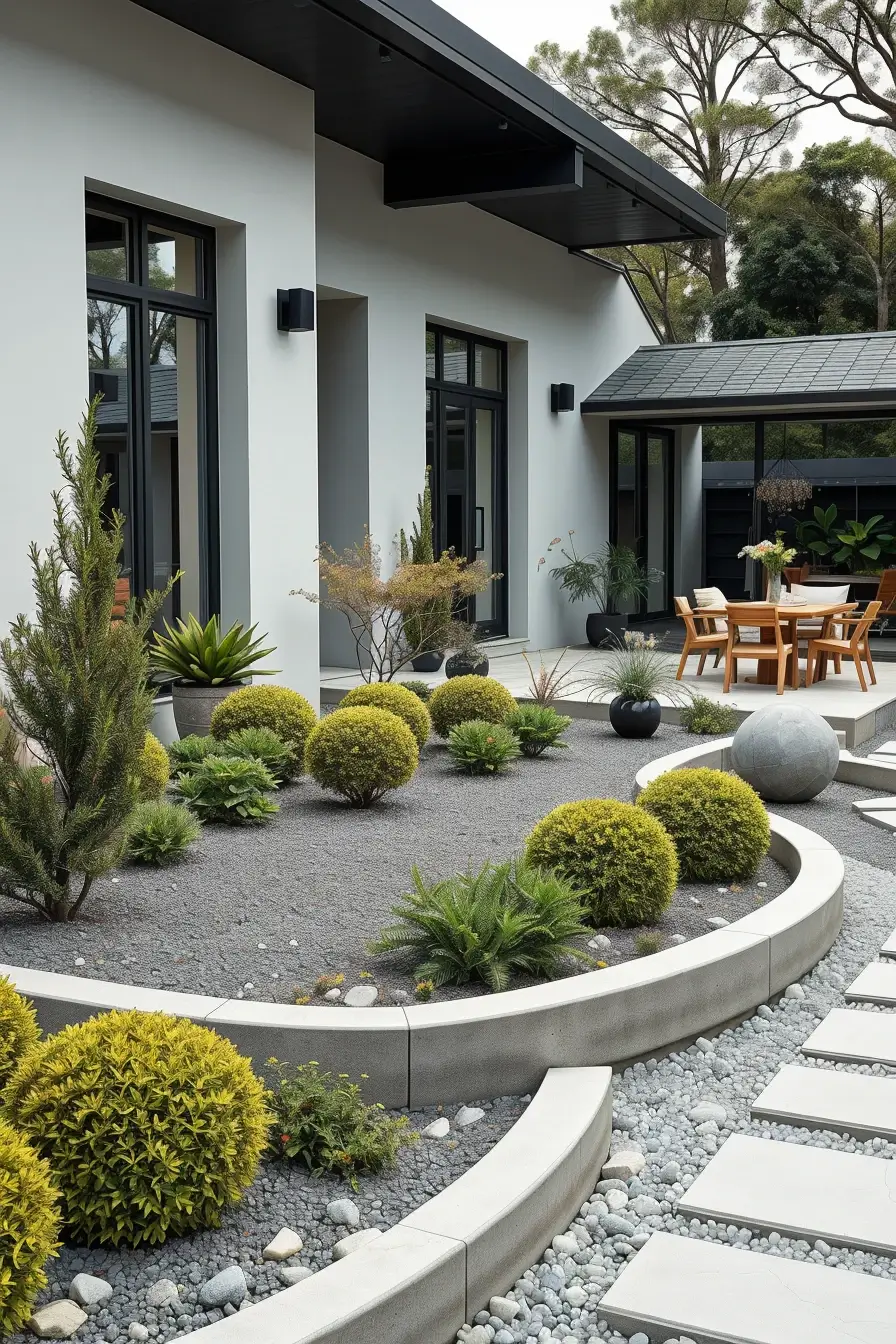
In designing such spaces, I focus on proportion and balance. The concrete edge should be subtle yet clearly defined, often in light gray or soft beige tones. I pair it with gravel paths, sculptural shrubs, and modern outdoor furniture made of teak or powder-coated steel. The curves help create movement and contrast against the rigid geometry of terraces or pool decks. Proper reinforcement and expansion joints are essential to prevent cracking over time.
From my experience, curved concrete works particularly well in open-plan outdoor layouts where lawn, patio, and planting beds flow into one another. Many contemporary landscape architects emphasize simplicity and material restraint, and I find that concrete edging embodies this philosophy perfectly.
In this section, I would also include recommendations on finishing techniques such as brushed, polished, or exposed aggregate surfaces to achieve different textures and visual effects.
5. Rustic Wood Log Borders With Natural Texture
For gardens that aim to feel cozy and welcoming, rustic wood log borders remain a compelling option. These borders bring warmth and tactile texture to outdoor spaces and align beautifully with creative and unusual garden concepts. In 2026, I see more homeowners embracing raw, slightly imperfect materials that celebrate nature rather than conceal it.
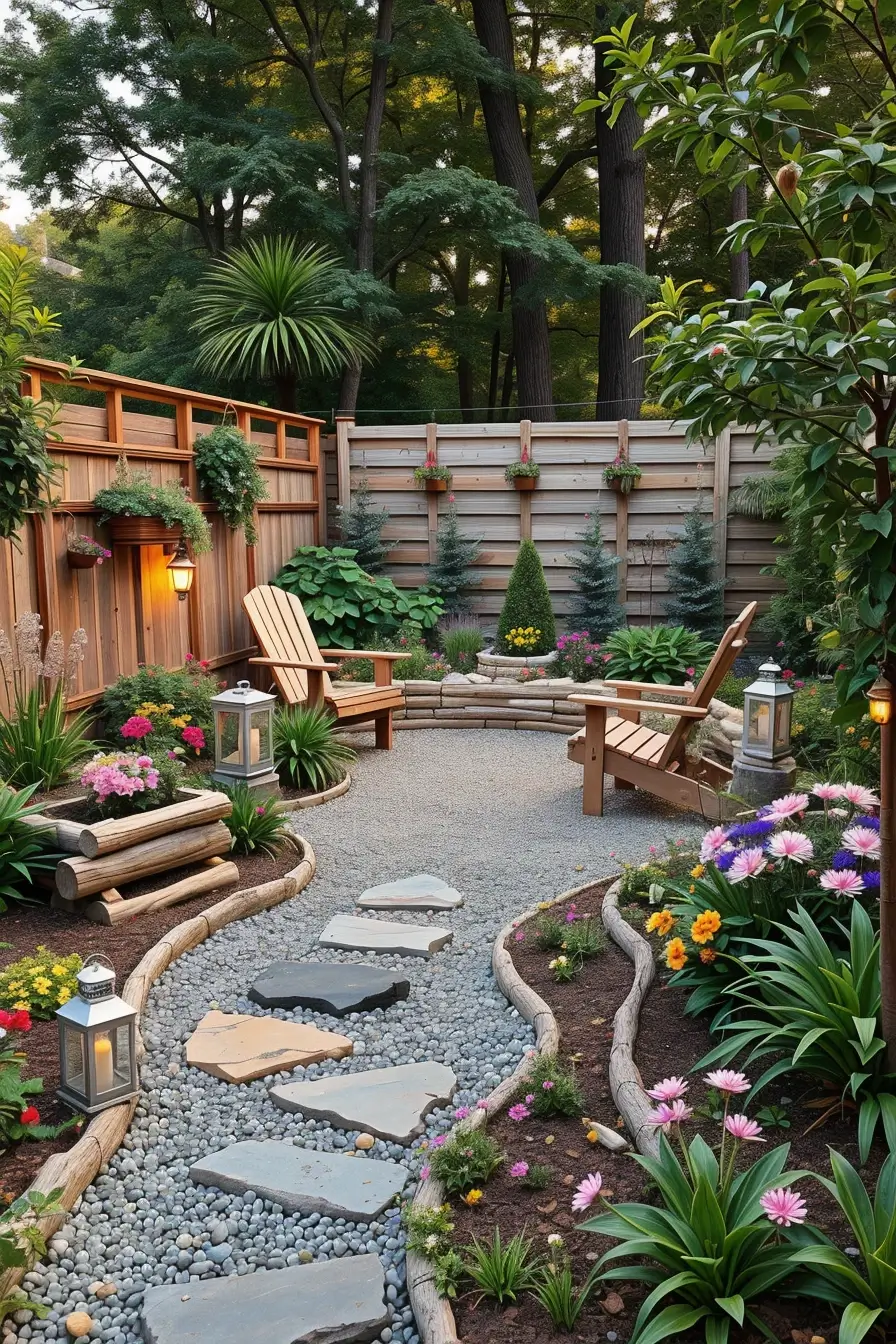
When implementing wood log borders, I carefully select treated or rot-resistant wood such as cedar or oak. The logs can be installed vertically for a playful rhythm or horizontally for a more traditional look. I often pair them with gravel seating areas, Adirondack chairs, and layered perennial beds. To enhance durability, I ensure proper drainage and apply eco-friendly sealants. The surrounding design may include lantern-style lighting, climbing plants, and natural stone stepping paths.
In my opinion, wood borders are perfect for family gardens and relaxed outdoor settings. They create a sense of intimacy and informality. I have noticed that many garden designers encourage mixing hard and soft textures, and wood edging achieves that balance beautifully.
To improve this section, I would add specific maintenance guidelines, including annual inspection for moisture damage and recommendations for protective treatments.
6. Gabion Flower Bed Borders For Architectural Impact
Gabion flower bed borders are one of the most unique flower bed borders I incorporate into modern landscapes when a client wants a bold architectural statement. In 2026, gabions are no longer limited to retaining walls; they are refined, proportioned structures that define planting areas with precision. I use them in contemporary yards with large-format pavers, flat lawns, and geometric layouts. Their strength and stability make them ideal for sloped sites or spaces where erosion control is necessary, combining practicality with a distinctly sculptural appearance.
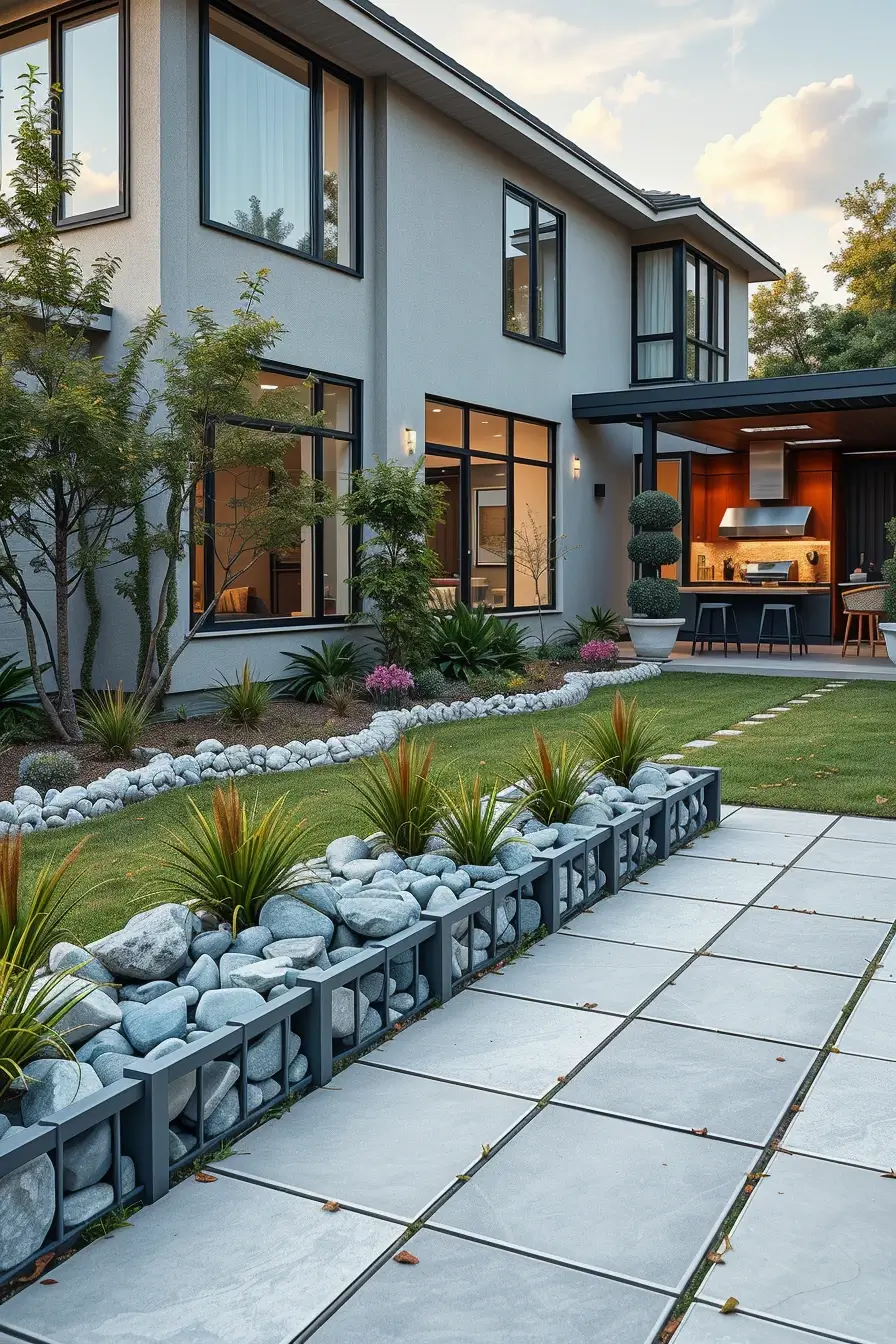
When designing gabion borders, I carefully select the stone fill. Crushed granite, river rock, or monochrome limestone can completely change the mood of the garden. I often coordinate the stone with patio slabs, outdoor kitchen countertops, or concrete seating benches to maintain cohesion. The metal cages should have a clean galvanized or black finish to complement modern outdoor furniture, linear lighting, and structured plantings like boxwood or ornamental grasses. Proportion is essential; the height and width of the gabion border must align with the scale of the home and surrounding hardscape.
In my professional experience, gabion borders work exceptionally well in contemporary homes featured in American landscape design publications, where strong materials and minimal planting palettes dominate. I appreciate how they create visual weight at ground level while still allowing water drainage. This balance between structure and permeability is one of their greatest advantages.
To strengthen this section, I would add recommendations regarding internal bracing within the gabion cages and proper foundation preparation to prevent settling over time.
7. Mosaic Tile Garden Edging With Bold Color Accents
For homeowners who embrace artistic and creative landscapes, mosaic tile edging offers a vibrant and expressive solution. In 2026, I see a revival of handcrafted details that add personality to outdoor spaces. Mosaic borders are particularly effective in eclectic gardens, Mediterranean courtyards, or bohemian patios where color and pattern play a central role. They transform a simple flower bed into a focal point and introduce a highly stylish decorative layer.
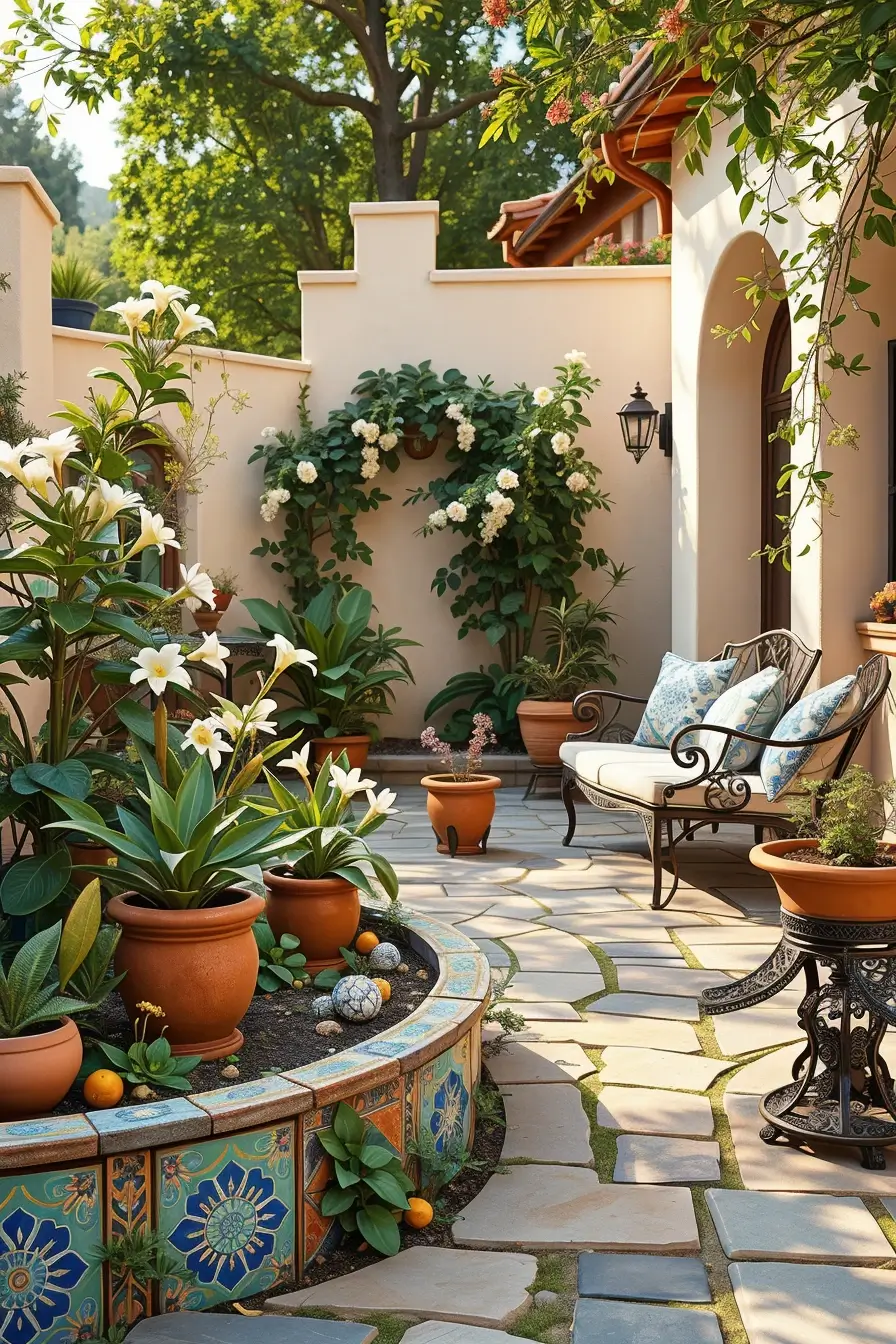
When planning mosaic edging, I focus on durable, weather-resistant tiles and proper waterproof substrates. I often combine patterned ceramic or glass tiles with stucco garden walls, terracotta pots, and wrought iron furniture. Bright blues, emerald greens, and warm ochres can echo the tones of surrounding cushions, umbrellas, or decorative lanterns. I ensure the planting scheme complements rather than competes with the border; lush greenery or white flowering plants often provide the perfect backdrop for bold tile designs.
Personally, I find mosaic borders especially meaningful because they allow for customization. Inspired by design features in Elle Decor and garden showcases across the US, I encourage clients to incorporate symbolic patterns or regional motifs. It turns the garden into a narrative space rather than just a functional one.
In this section, I would include guidance on frost-resistant adhesives and grout selection to ensure longevity in climates with temperature fluctuations.
8. Recycled Glass Bottle Borders For Eco-Friendly Gardens
Sustainability is shaping many flower bed border ideas 2026, and recycled glass bottle edging is one of the most unusual and environmentally conscious options I recommend. These borders create playful light reflections and subtle color variations while reducing waste. They work particularly well in relaxed, community-focused gardens or eco-friendly landscapes with native planting schemes.
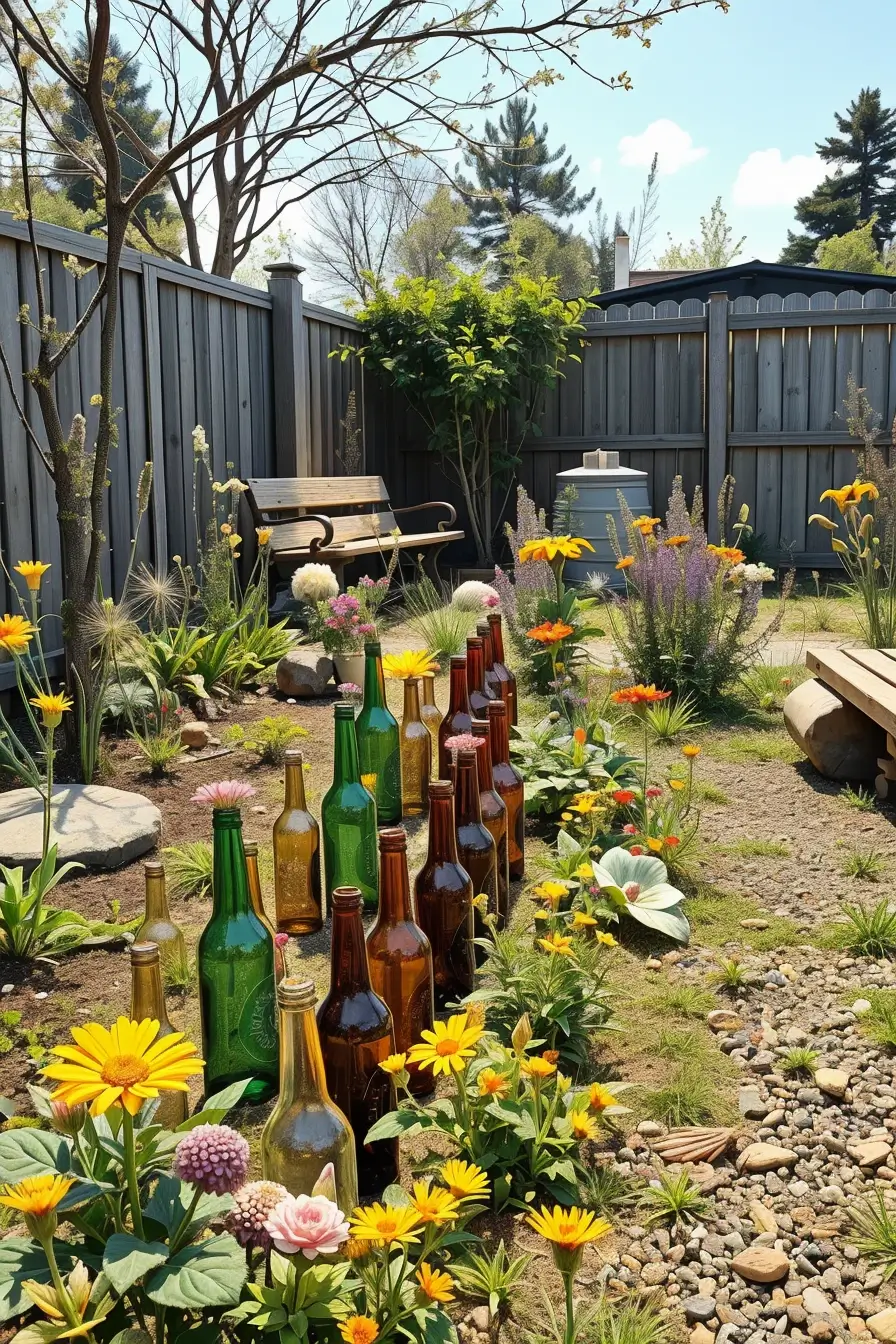
When designing with glass bottles, I carefully plan spacing, depth, and alignment. Bottles can be installed upside down with their bases exposed, forming a repeating circular pattern along the flower bed. I typically combine this border with reclaimed wood seating, gravel paths, compost bins, and rainwater collection systems to reinforce the sustainable theme. The surrounding plants might include wildflowers, herbs, or pollinator-friendly species to complete the ecological concept.
From my perspective, recycled glass borders are both expressive and responsible. Many sustainable design advocates emphasize reusing materials creatively, and I support this philosophy wholeheartedly. When sunlight passes through green or amber glass, it creates subtle visual effects that feel surprisingly refined.
To enhance this section, I would provide specific installation techniques to ensure safety, including smoothing sharp edges and securing bottles in a stable concrete or compacted sand base.
9. Living Plant Borders With Ornamental Grasses And Perennials
Living plant borders are among the most creative and dynamic solutions for defining flower beds. Instead of hard materials, I use layered plantings to create soft yet clearly defined edges. In 2026, naturalistic landscapes inspired by prairie-style design are increasingly popular. Ornamental grasses, low perennials, and structured shrubs form flowing borders that change with the seasons while maintaining order.
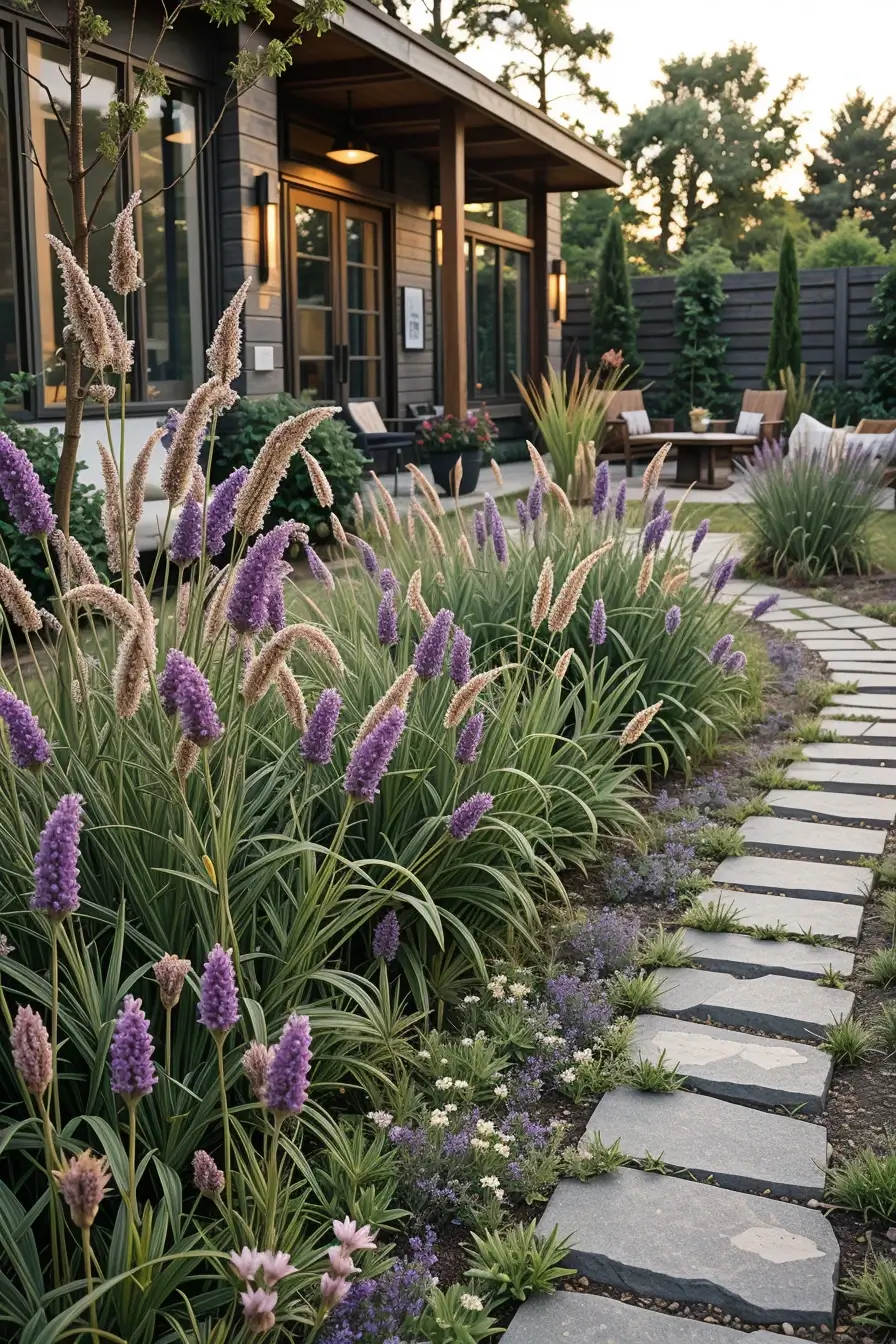
When designing a living border, I carefully select plants with varying heights and textures. Low-growing varieties such as dwarf lavender or creeping thyme define the front line, while taller grasses like miscanthus or fountain grass add movement behind them. I often integrate subtle pathway lighting, stone stepping paths, and modern outdoor seating nearby to maintain functionality. The result is a border that feels alive, breathable, and deeply connected to its surroundings.
In my experience, living borders require thoughtful maintenance planning. Landscape professionals frequently highlight the importance of proper spacing and soil preparation, and I fully agree. With adequate pruning and seasonal care, these borders remain structured rather than overgrown.
This section would benefit from a planting calendar that outlines bloom times and maintenance cycles to help homeowners sustain the design year-round.
10. Low Hedge Borders For Elegant Garden Structure
Low hedge borders provide timeless elegance and architectural clarity. For clients seeking refined and stylish garden organization, I often recommend compact evergreen hedges such as boxwood or dwarf holly. These borders create strong lines that guide movement through the landscape while maintaining a soft, natural presence. In 2026, structured gardens with symmetrical layouts are returning as a counterbalance to more relaxed planting styles.
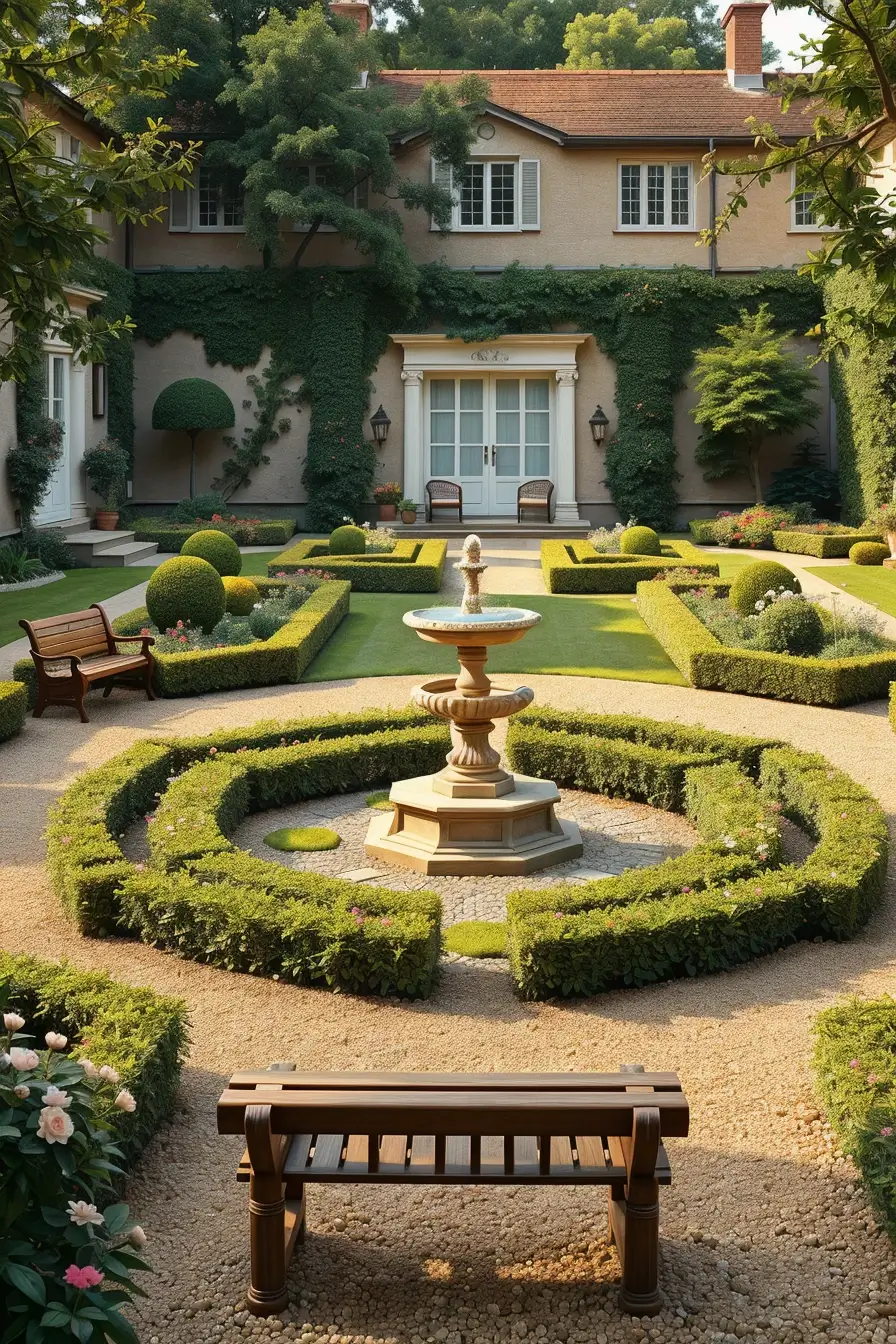
When incorporating low hedges, I align them with pathways, patios, and seating areas to establish clear zones. I frequently pair them with gravel walkways, stone fountains, and classic wooden or metal benches. The hedge height must remain proportionate, usually no more than knee height, to preserve visibility across the garden. Regular trimming ensures crisp lines and reinforces the overall composition.
From my professional perspective, low hedge borders offer unmatched versatility. They can frame vegetable beds, define rose gardens, or outline modern terraces. Many respected landscape designers emphasize structure as the backbone of any successful garden, and I have consistently seen how hedges provide that essential framework.
To improve this section further, I would add detailed advice on irrigation systems and soil preparation to maintain healthy, dense foliage over time.
11. Corten Steel Edging For Industrial Chic Style
I often recommend Corten steel edging when a client wants a bold, architectural solution that still feels organic. This material develops a controlled rust patina that blends beautifully with greenery while maintaining clean lines. In flower bed border ideas 2026, Corten is becoming a favorite because it provides structure without looking overly polished. It works especially well in modern outdoor spaces with concrete patios, minimalist planting schemes, and open layouts.
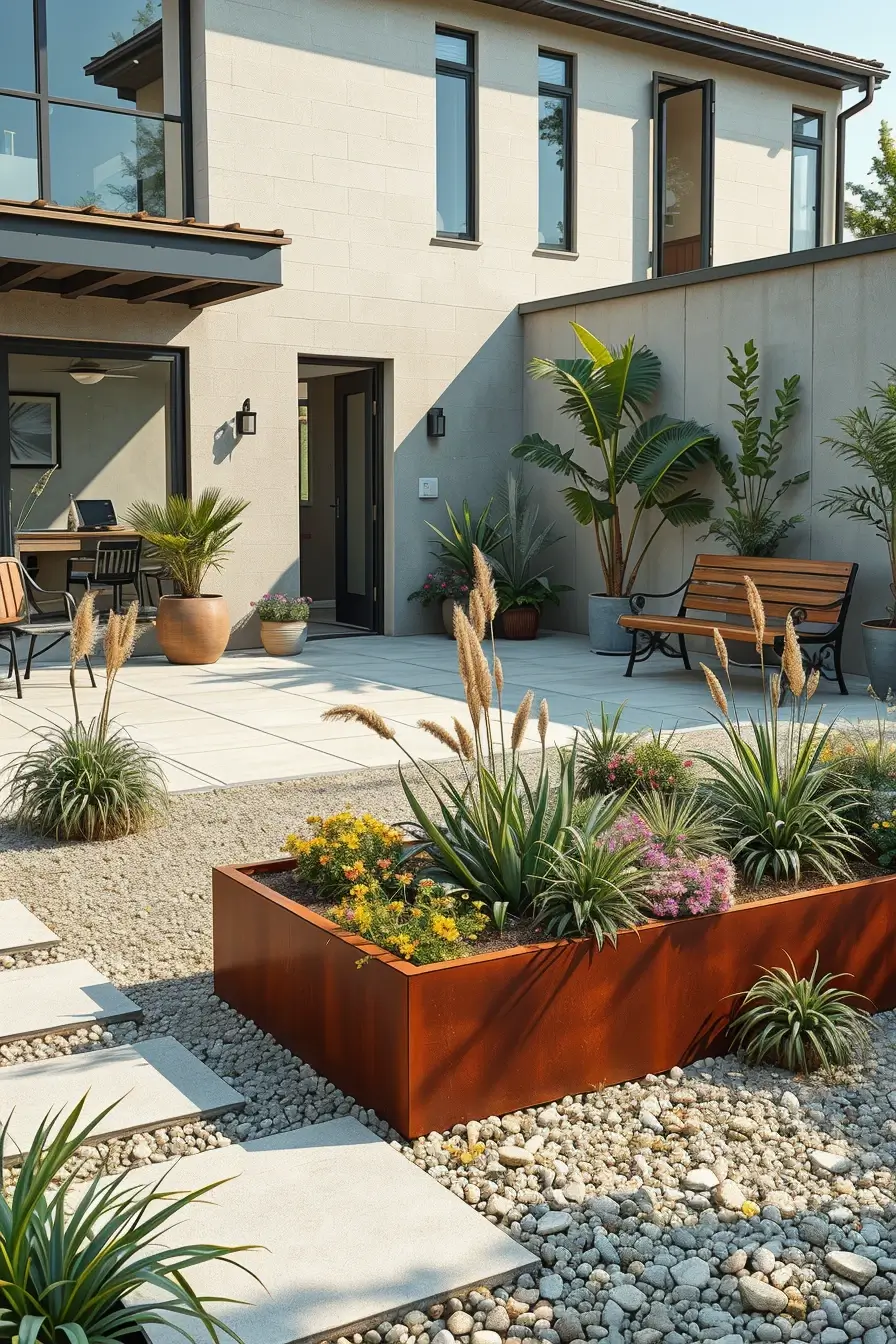
When designing with Corten, I make sure the edging height is proportionate to the planting. Taller grasses and structured shrubs benefit from slightly raised steel panels, while low perennials look best with subtle, flush borders. I also pair the steel with gravel paths, large-format pavers, and simple outdoor furniture such as powder-coated metal chairs or teak benches. The contrast between warm rust tones and cool stone surfaces creates a balanced yet stylish composition.
Personally, I appreciate how durable and low-maintenance this option is. Landscape designers frequently note in publications like Architectural Digest that weathering steel adds depth and authenticity to modern gardens. I agree, especially when the goal is to achieve a slightly industrial yet welcoming atmosphere.
What should be added here is thoughtful drainage planning. I always ensure proper soil separation and a gravel base beneath the edging to prevent shifting and staining on adjacent surfaces. This technical step is essential for long-term performance and aesthetic integrity.
12. Decorative Gravel And Pebble Borders With Artistic Layouts
Decorative gravel and pebble borders allow me to experiment with texture and pattern in a way that feels both natural and artistic. In flower bed border ideas 2026, designers are moving beyond simple stone strips and creating geometric or flowing layouts using contrasting pebble colors. This approach is practical because it improves drainage while visually framing the plants.
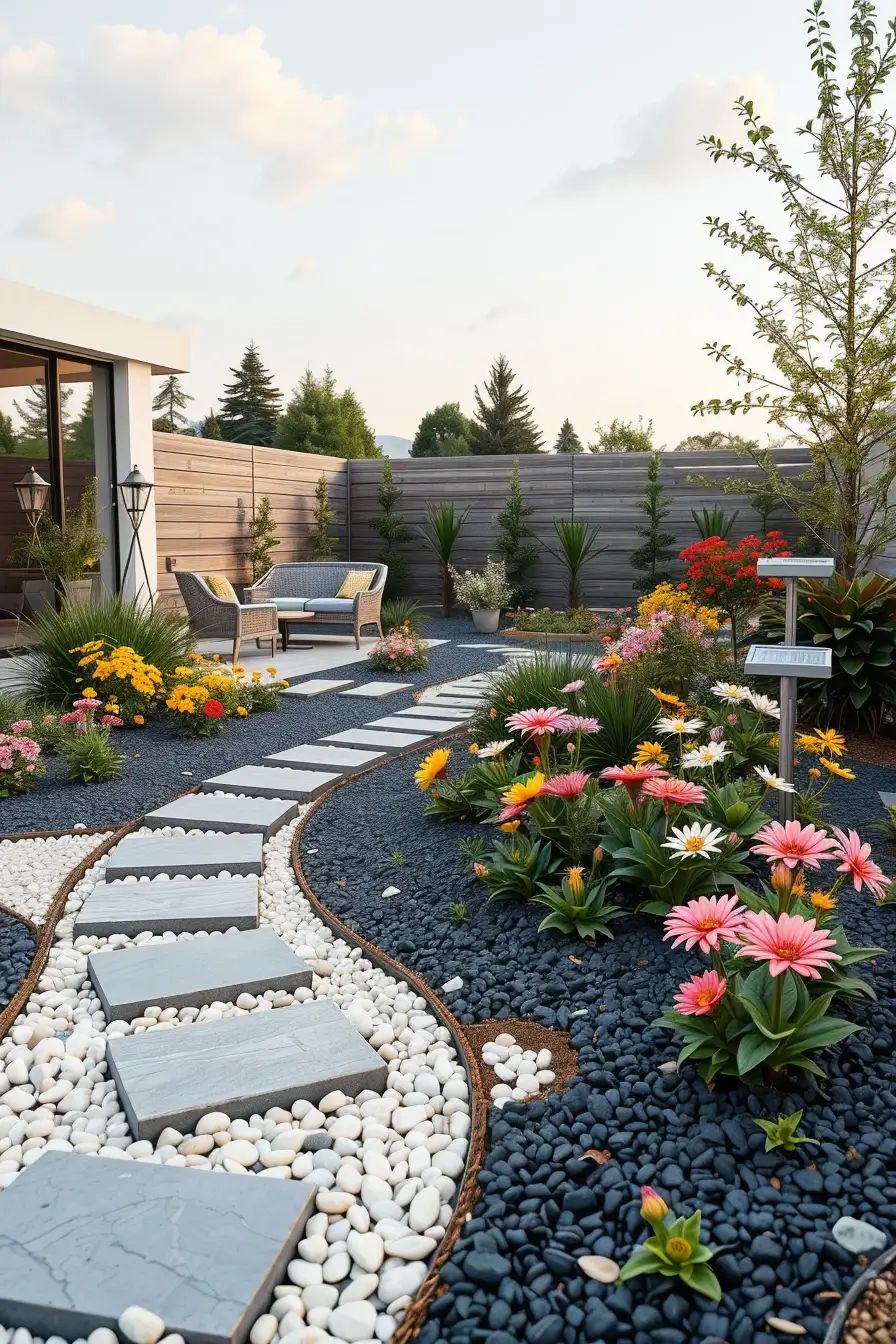
I usually select two or three stone sizes to create depth. For example, smooth white pebbles combined with darker basalt chips can form subtle patterns that echo the shape of the planting bed. I also integrate stepping stones or concrete slabs within the gravel border to enhance functionality. Outdoor lighting, such as discreet solar spikes, can highlight the texture in the evening and add dimension to the garden.
From my experience, this is one of the most flexible solutions for both small and large yards. Garden design experts often emphasize layering materials for visual richness, and gravel borders do exactly that. I find that clients appreciate how easy it is to refresh or adjust the layout over time.
What I would add to this section is the importance of installing a high-quality landscape fabric underneath. Without proper weed control and edging containment, the gravel can migrate and lose its crisp appearance.
13. Raised Flower Bed Borders With Sculptural Forms
Raised borders are among the most sculptural and visually impactful options in flower bed border ideas 2026. Instead of simple straight lines, I design curved or asymmetrical raised beds that function almost like outdoor art installations. These borders add dimension to flat landscapes and make planting more ergonomic and accessible.
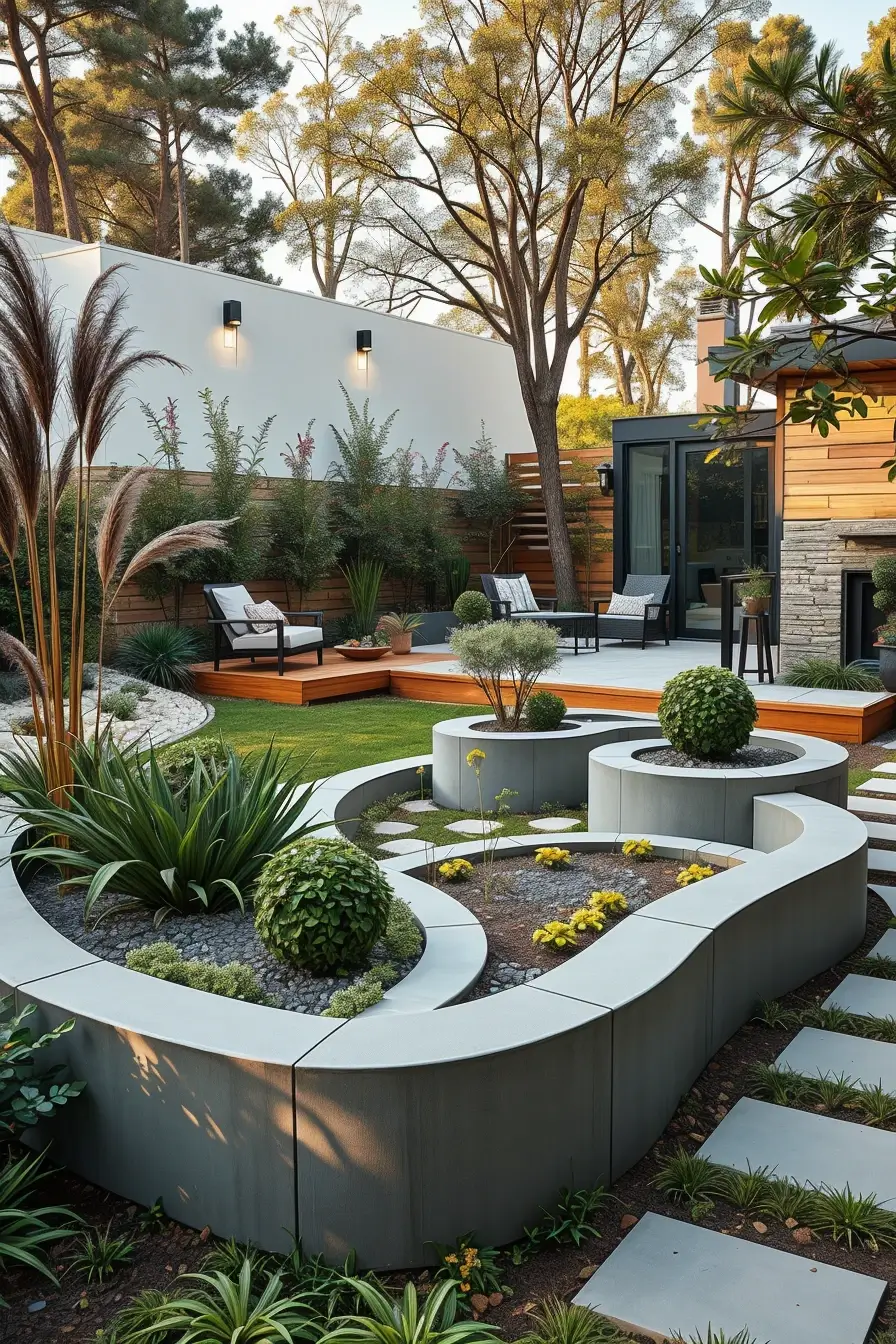
I typically use materials such as smooth concrete, natural stone, or rendered brick for these forms. Integrated seating along the edge can transform the border into functional garden furniture, especially in compact spaces. Built-in wooden caps on top of the raised structure create a comfortable perch while protecting the material beneath. This combination of form and function makes the space feel intentional and refined.
In my professional opinion, sculptural raised beds work best when planting is kept relatively structured. Think ornamental grasses, boxwood spheres, or layered perennials. Design publications frequently highlight the value of strong geometry in modern landscapes, and I find that raised borders provide exactly that clarity.
What is often missing is proper irrigation planning. I always integrate drip irrigation systems within raised beds to maintain plant health and reduce maintenance. This technical layer ensures the design remains beautiful over time.
14. Woven Willow And Rattan Edging For Cottage Gardens
For clients who prefer a softer and more creative aesthetic, woven willow or rattan edging offers a charming solution. In flower bed border ideas 2026, there is a noticeable shift toward natural textures and handcrafted elements. These borders are ideal for cottage-style gardens filled with roses, lavender, and wildflowers.
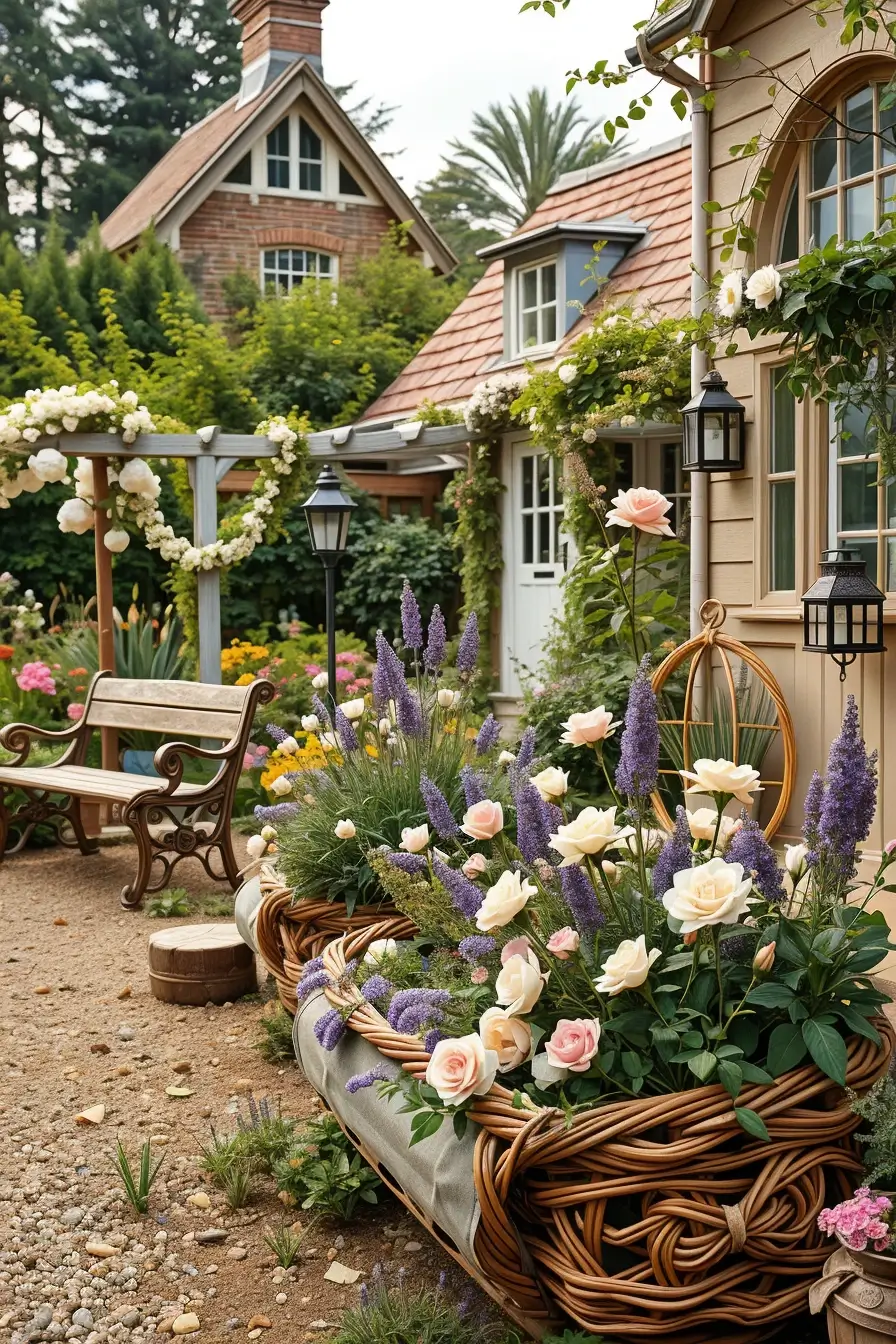
I select handwoven panels with subtle variations in tone, as these imperfections add authenticity. Pairing them with gravel paths, vintage-style lanterns, and wooden garden benches enhances the rustic atmosphere. The flexibility of willow allows me to create gently curved borders that follow organic planting shapes rather than rigid lines.
From my perspective, this approach feels warm and inviting. Many garden designers highlight the emotional impact of natural materials, and I have observed how these woven edges make a space feel more personal and approachable. They are particularly effective in smaller gardens where intimacy matters.
What should be added here is protective treatment. I always recommend sealing or treating the willow to extend its lifespan, especially in wetter climates. Proper installation stakes are also essential to prevent movement over time.
15. Geometric Garden Borders With Clean Architectural Lines
Geometric borders define the essence of stylish and unique flower bed borders in contemporary landscapes. In 2026, precision and clarity are central themes in outdoor design. I create rectangular, triangular, or even hexagonal layouts that frame planting beds with mathematical order. These borders provide structure and make even simple plantings appear intentional and curated.
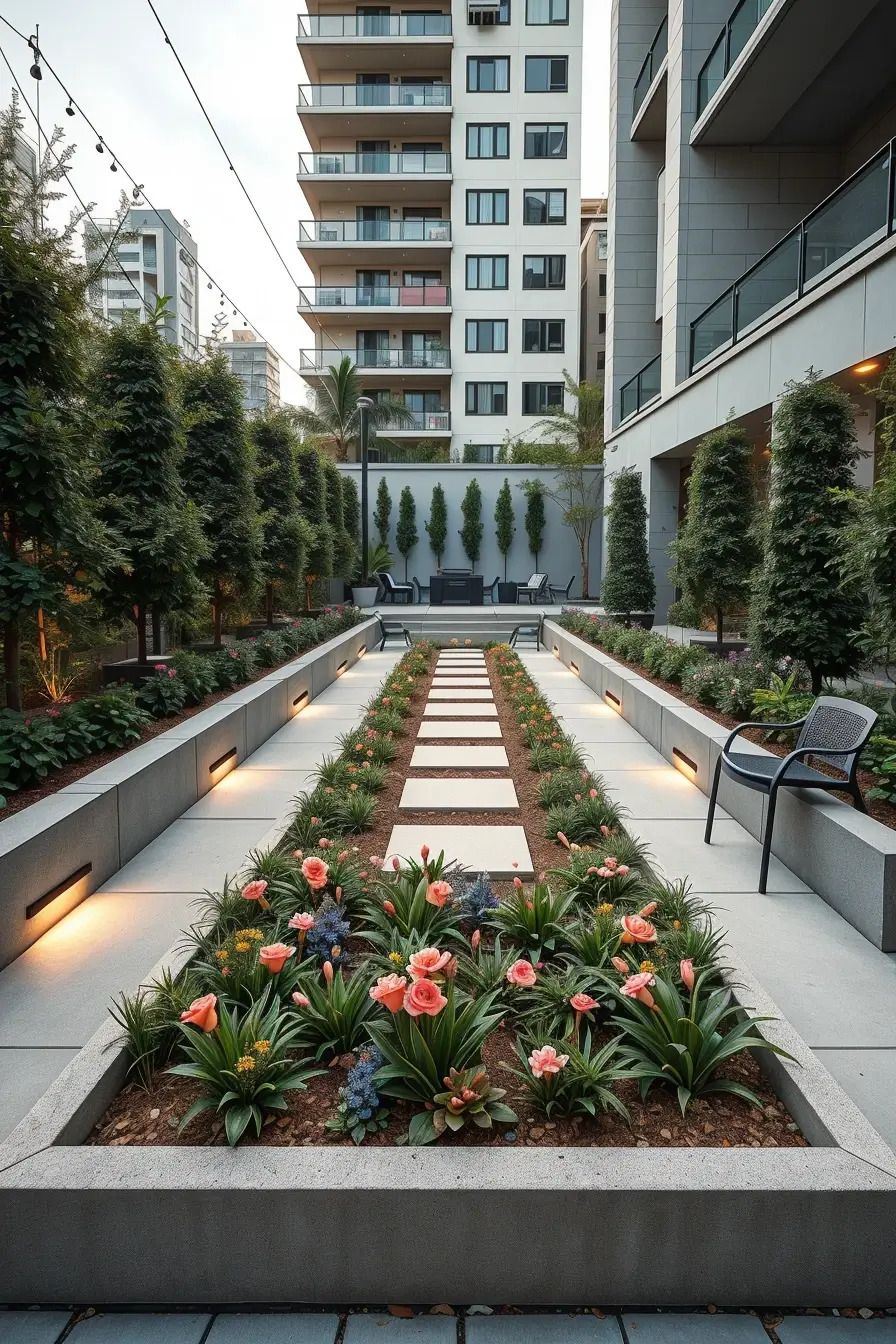
I often use materials like powder-coated aluminum, smooth concrete, or sharp-cut stone to achieve crisp edges. Surrounding elements such as minimalist outdoor sofas, structured hedges, and linear pathway lighting reinforce the architectural feel. By repeating shapes throughout the garden, I ensure visual harmony and cohesion.
In my experience, geometric borders are especially effective in urban settings where space is limited. Design professionals frequently stress the importance of clear zoning in small gardens, and structured borders accomplish this beautifully. I find they also simplify maintenance because the defined edges prevent soil spread.
What I would add here is a careful consideration of scale. I always measure proportions carefully so the geometric shapes complement the size of the yard rather than overwhelm it. Balance is key to maintaining elegance.
16. Upcycled Vintage Objects As Unique Flower Bed Edging
Upcycling is one of the most creative and environmentally responsible directions in flower bed border ideas 2026. I increasingly see homeowners transforming vintage bricks, reclaimed wood beams, old metal wheels, or even antique ceramic tiles into unique and highly personal garden borders. This approach not only reduces waste but also introduces character and storytelling into the landscape. In outdoor design, authenticity matters, and upcycled edging instantly creates a layered, collected look.
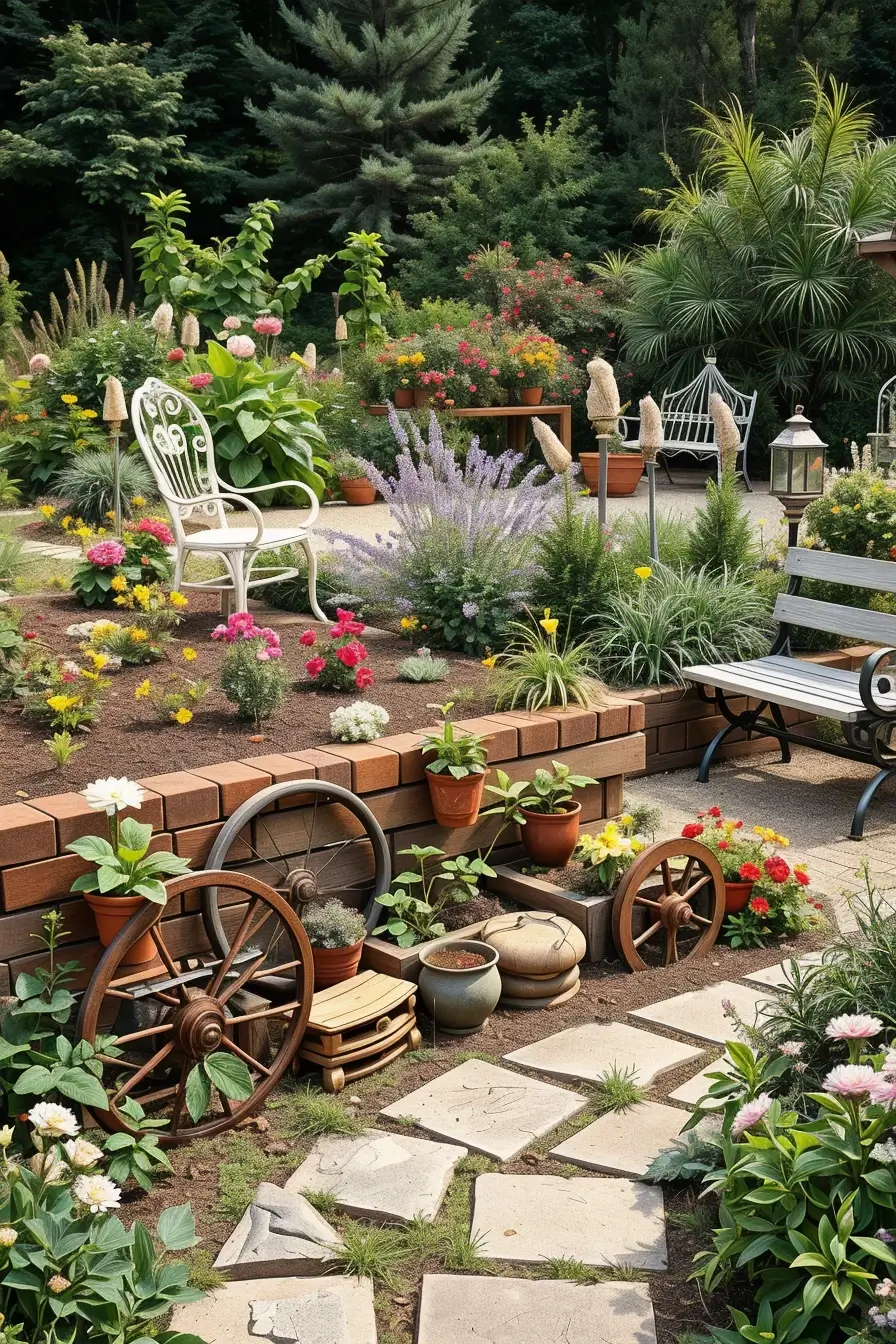
When I design with reclaimed materials, I carefully evaluate durability and structural stability. For example, vintage bricks can be arranged in herringbone or stacked layouts to form a stable edge, while old railway sleepers can create rustic raised borders. I often combine these elements with wrought iron garden chairs, repurposed wooden benches, or vintage lanterns to reinforce the theme. Each piece must feel intentional rather than random, so I balance aged textures with neat planting lines.
From my professional experience, this method works best when there is a clear design concept. Designers frequently emphasize that sustainability should not compromise aesthetics, and I completely agree. When curated thoughtfully, upcycled edging becomes both functional and visually compelling. Clients often tell me these borders feel more meaningful than store-bought solutions.
What should be added here is proper sealing and reinforcement. I always recommend weatherproof treatments for wood and corrosion protection for metal. Without this preparation, vintage materials may deteriorate faster than expected.
17. Illuminated Flower Bed Borders With Integrated LED Lighting
Lighting transforms a garden from simple to stylish and dramatically atmospheric. In flower bed border ideas 2026, integrated LED strips and recessed lighting systems are becoming central design elements rather than afterthoughts. I incorporate subtle lighting directly into stone, concrete, or metal edging to create a soft glow that defines the landscape at night. This solution enhances safety while highlighting textures and plant forms.
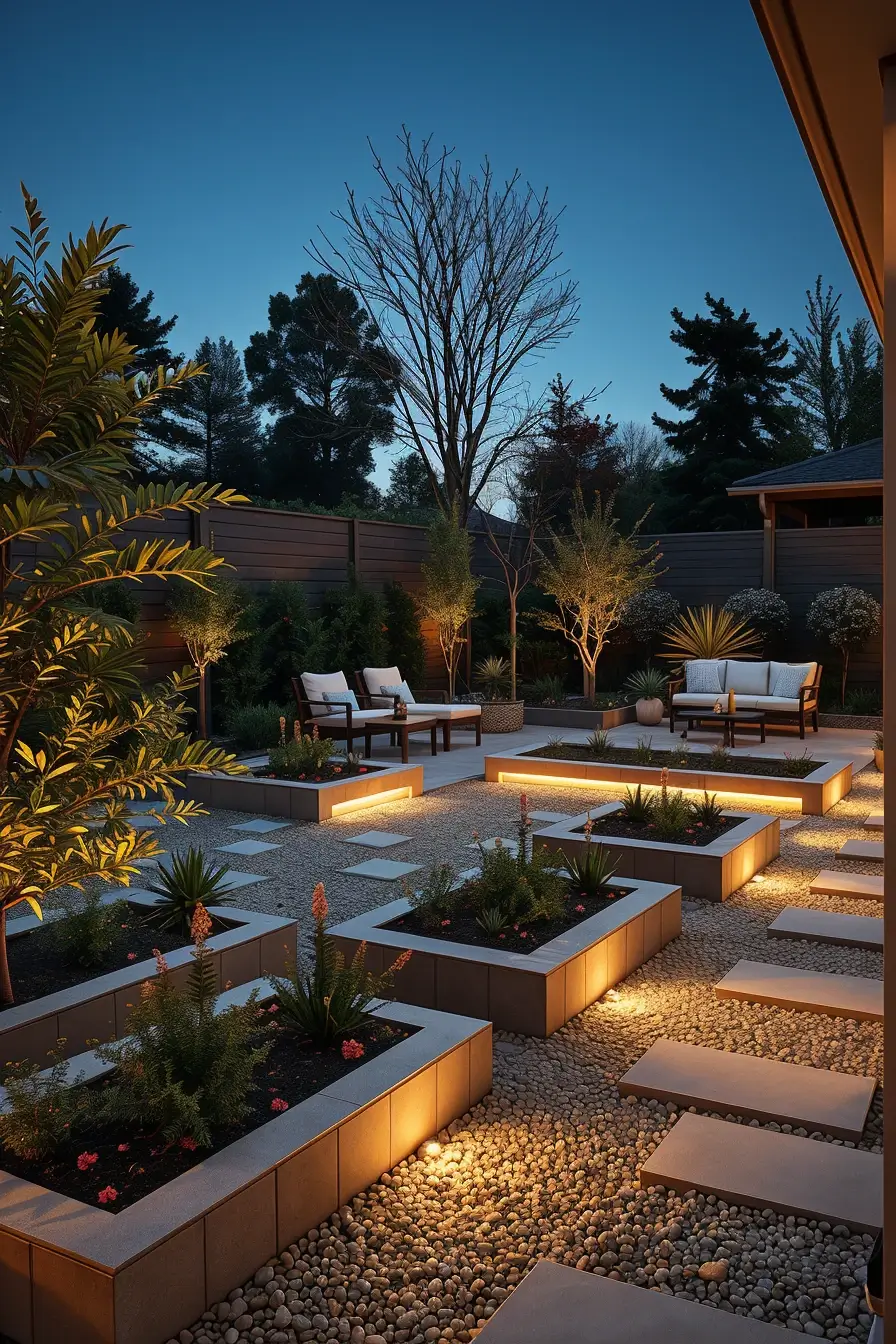
I usually install warm white LED strips beneath coping stones or within aluminum channels along the border. This creates a floating effect that visually separates the planting bed from pathways or patios. Low-voltage systems are energy-efficient and easy to maintain. I often complement illuminated borders with modern outdoor lounge furniture, fire pits, and structured planters to create a cohesive evening entertainment space.
In my opinion, lighting should never overpower the planting. Landscape professionals often stress the importance of subtlety in outdoor illumination, and I follow the same principle. The goal is to accentuate shapes and depth, not to flood the garden with brightness. When done correctly, illuminated edging adds a sophisticated architectural touch.
What is often missing is proper wiring planning during early construction stages. I always coordinate electrical layouts before installing borders to avoid disruptive modifications later. Thoughtful planning ensures a seamless and safe result.
18. Terracotta Border Designs With Mediterranean Charm
Terracotta edging introduces warmth and timeless elegance into flower bed border ideas 2026. I often use curved terracotta tiles or bricks to frame beds filled with lavender, olive trees, and drought-tolerant plants. This material naturally complements sunlit gardens and works beautifully in climates where earthy tones enhance the overall atmosphere.
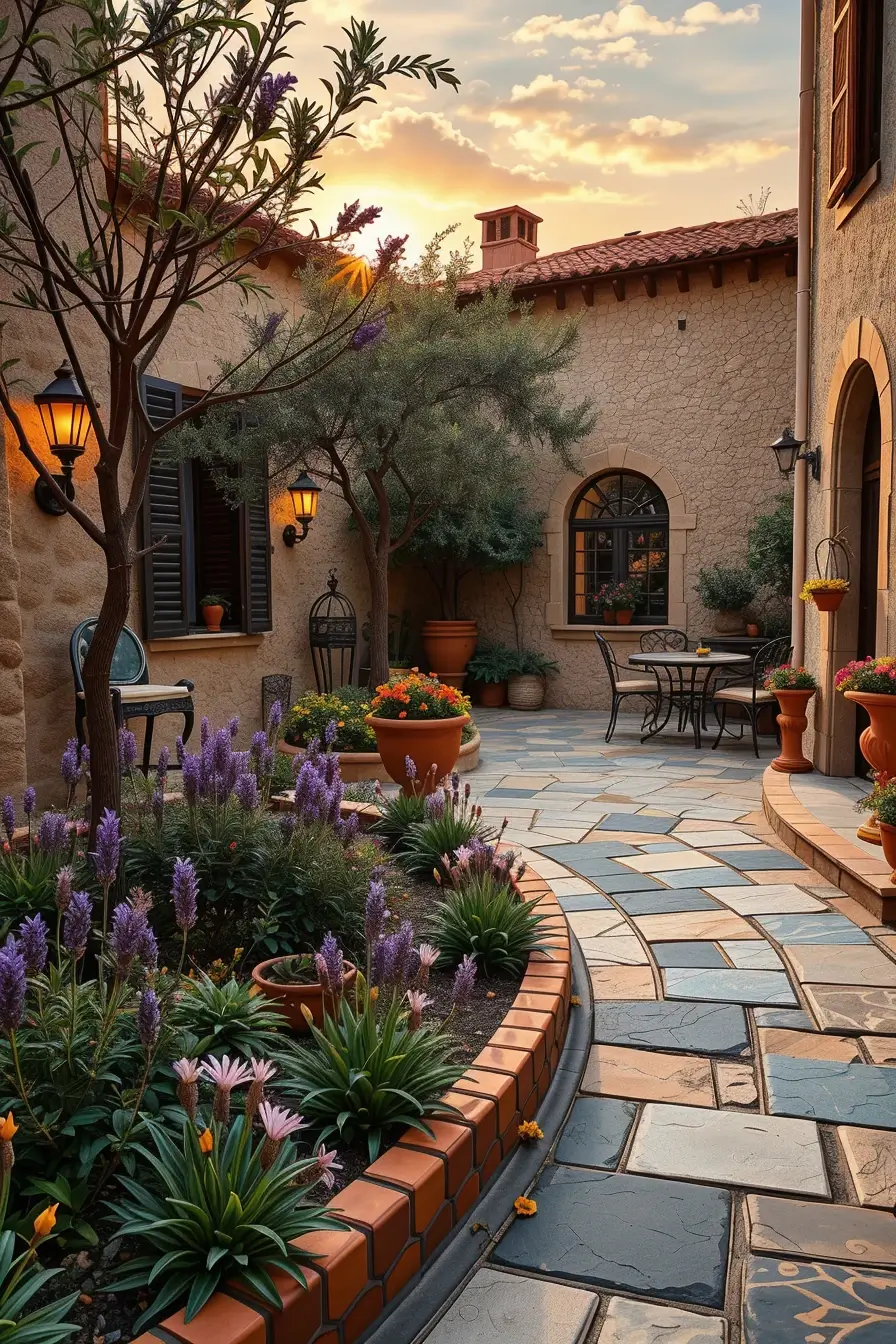
When designing with terracotta, I pay close attention to layout rhythm. Repeating half-moon tiles along the border creates movement, while straight terracotta bricks offer a more structured feel. I like pairing this edging with stone pathways, wrought iron furniture, ceramic pots, and textured plaster walls to complete the Mediterranean aesthetic. The cohesive palette creates harmony between architecture and landscape.
Personally, I find terracotta especially effective in smaller courtyards or patios where intimacy matters. Design publications often highlight the emotional warmth of natural clay materials, and I see this reflected in client feedback. The earthy color softens greenery and creates a welcoming outdoor retreat.
What I would add here is frost protection consideration. In colder regions, I always ensure proper installation depth and sealing to prevent cracking during winter months. Climate adaptation is essential for longevity.
19. Black Garden Edging For Dramatic Contrast
Black edging is one of the boldest and most artistic choices in flower bed border ideas 2026. It creates dramatic contrast against vibrant greenery and colorful blooms. I frequently use matte black steel, powder-coated aluminum, or dark composite materials to achieve crisp separation between lawn and planting areas. This approach works exceptionally well in contemporary and minimalist gardens.
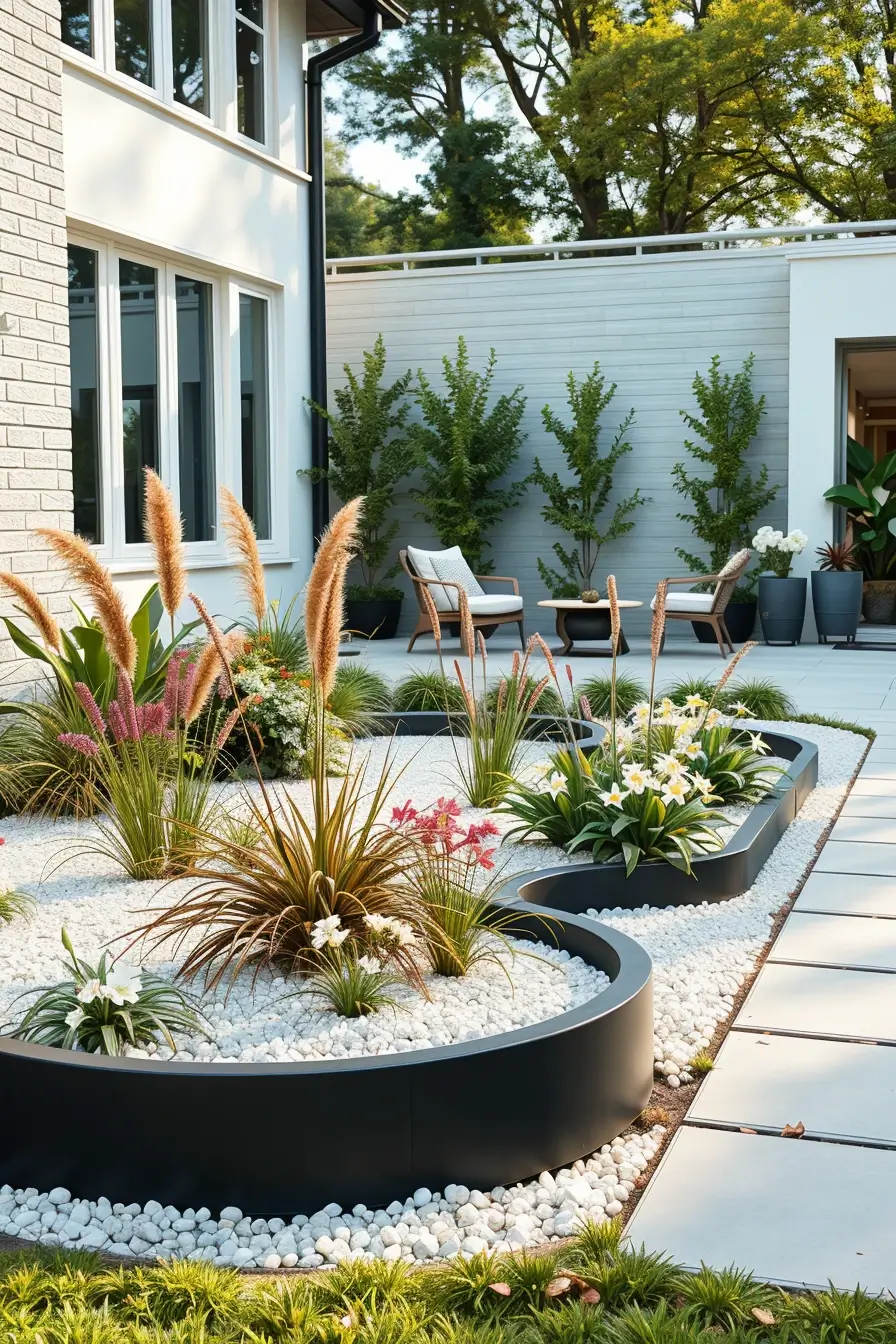
In my projects, I pair black borders with light gravel, pale stone pavers, or wooden decking to emphasize contrast. Structured shrubs, ornamental grasses, and white flowering plants stand out beautifully against the dark edge. Modern outdoor furniture in neutral tones reinforces the clean and sophisticated look. The visual clarity provided by black edging makes the entire garden appear more organized.
From my perspective, this option is particularly suitable for urban homes where a strong graphic statement enhances limited space. Many designers emphasize contrast as a tool for visual impact, and I find black edging achieves that without overwhelming the landscape.
What should be added here is attention to heat absorption. Dark materials can retain warmth, so I always consider plant placement and soil protection to prevent stress in hot climates.
20. Mixed Material Flower Bed Borders For Artistic Expression
Mixed material borders represent the most unusual and expressive trend within flower bed border ideas 2026. Combining stone with metal, wood with concrete, or gravel with brick allows me to create layered compositions that feel dynamic and modern. This method works particularly well in eclectic gardens where creativity is encouraged.
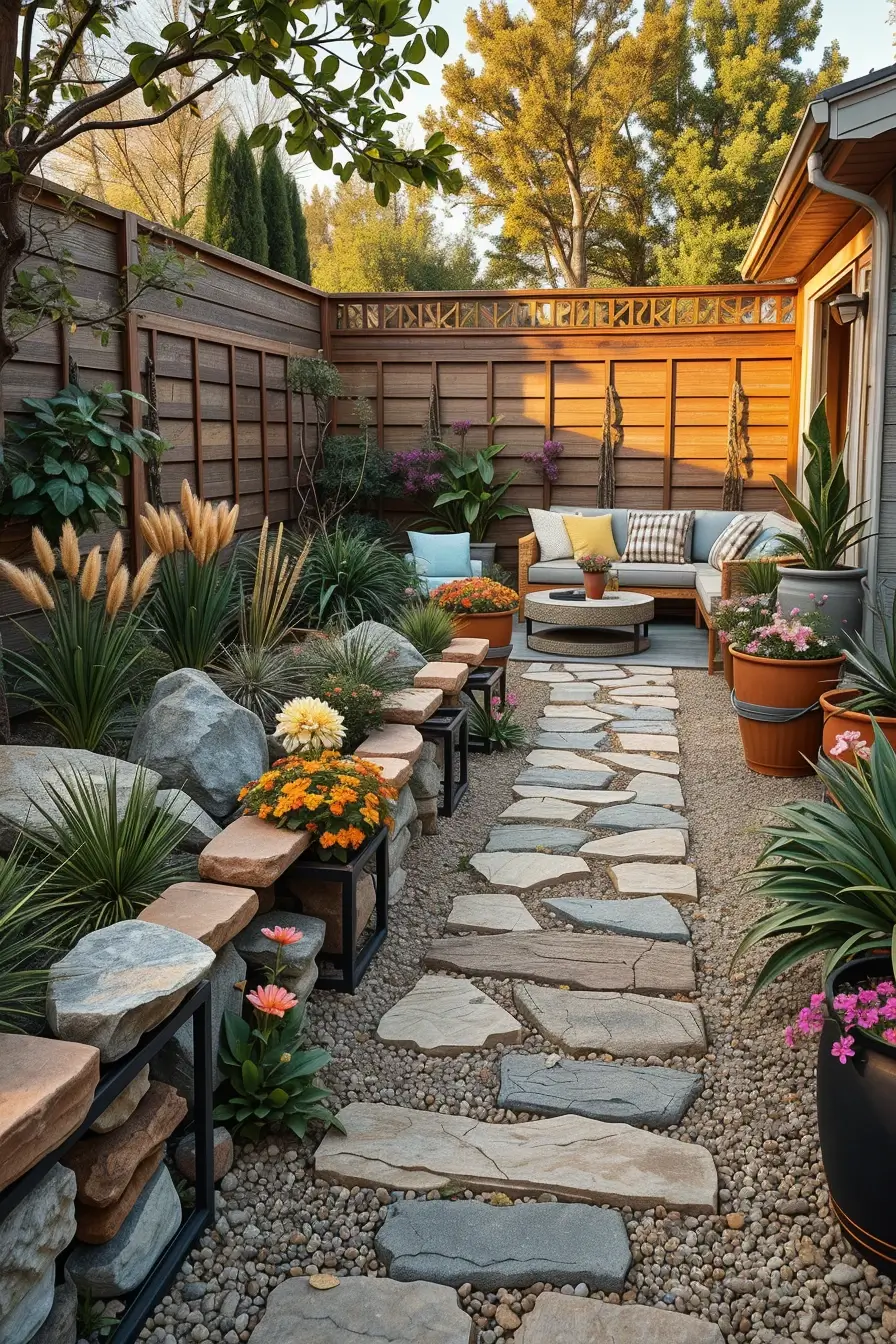
When I design mixed borders, I establish a dominant material and then introduce complementary accents. For example, a concrete base can be softened with wooden caps, or natural stone can be framed with slim metal edging. I coordinate these combinations with outdoor seating areas, textured pathways, and decorative planters to ensure cohesion. Each element must feel intentional and balanced.
In my professional opinion, this approach offers maximum flexibility. Leading landscape designers often discuss the importance of material contrast in creating depth, and I see this principle consistently delivering visually engaging results. Mixed borders allow personalization without sacrificing structure.
What I would add is careful proportion control. I always test material samples together before final installation to confirm color harmony and scale. Thoughtful composition prevents the design from appearing chaotic.
21. Natural Rock Border Ideas For Wild-Inspired Landscapes
I often recommend natural rock borders to homeowners who want a relaxed, wild-inspired landscape that still feels intentional. In 2026, this approach is becoming more refined: instead of randomly placed stones, I design layered compositions using mixed-size boulders, gravel transitions, and native plantings. The key is to create a border that looks organic yet carefully structured. This type of edging works especially well in large yards, cottage-style gardens, and properties near wooded or coastal areas.
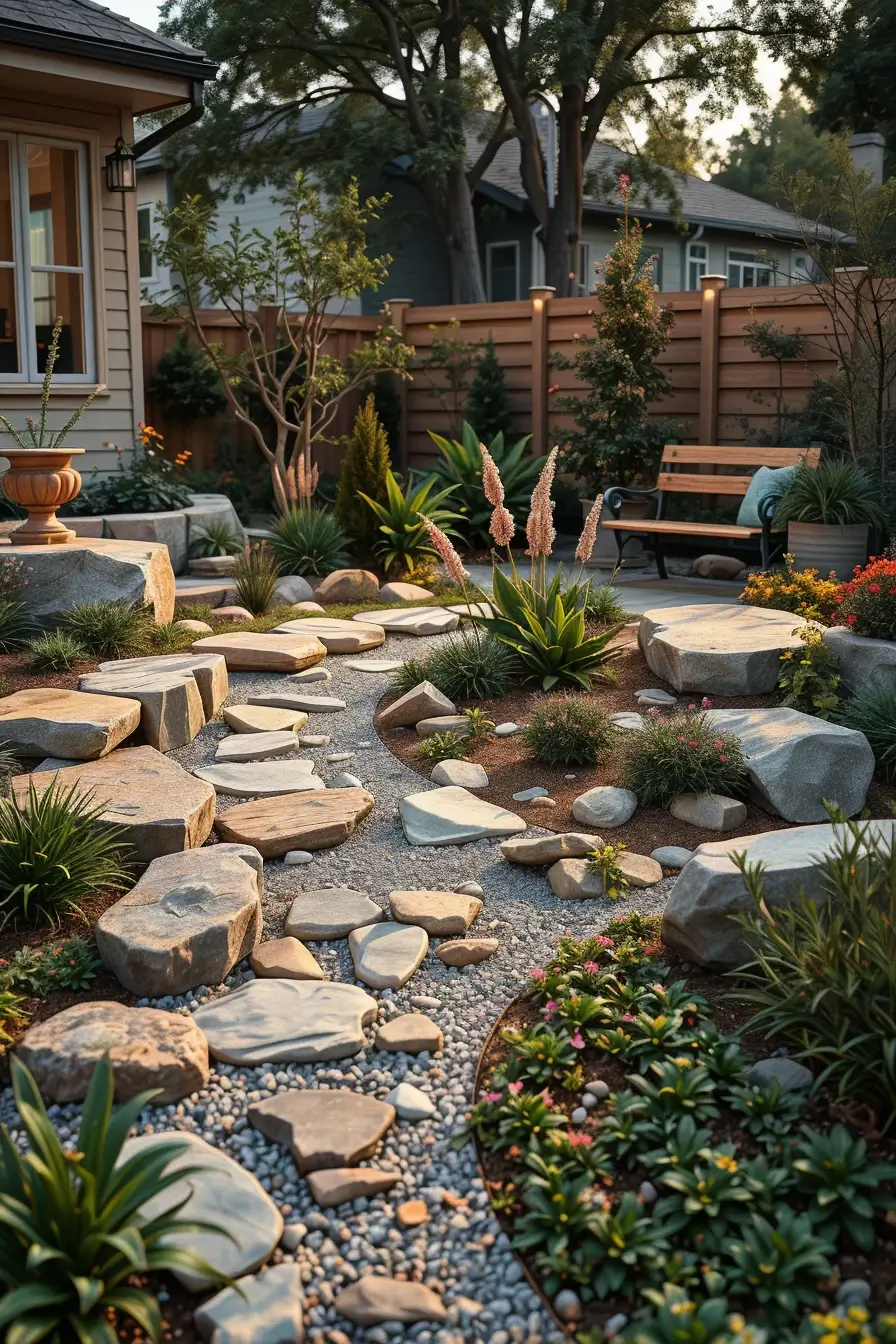
When planning such a border, I select stones with varied textures such as granite, limestone, or river rock to create depth. I combine larger anchor boulders with medium stones and fill gaps with gravel or creeping groundcovers like thyme or sedum. I often integrate subtle landscape lighting between rocks to highlight the sculptural shapes at night. A wooden garden bench or minimalist outdoor seating nearby enhances the natural aesthetic without overpowering it.
From my experience, landscape designers frequently emphasize the importance of using locally sourced stone, not only for sustainability but also for visual harmony. Architectural Digest has highlighted how natural materials create timeless outdoor environments, and I completely agree. A well-designed rock border feels permanent, grounded, and effortlessly stylish.
What should be added here is a proper drainage layer beneath the stones. I always ensure there is compacted gravel and landscape fabric underneath to prevent shifting and weed growth. Without this foundation, even the most beautiful border can lose its structure over time.
22. Patterned Paver Edging With Decorative Layout Concepts
Patterned paver edging is ideal for homeowners who prefer structure and symmetry. In 2026, I see a strong movement toward geometric layouts such as herringbone, basket weave, or radial fan patterns that add visual rhythm to flower beds. This solution works beautifully in modern suburban gardens and urban courtyards where clean lines define the outdoor design.
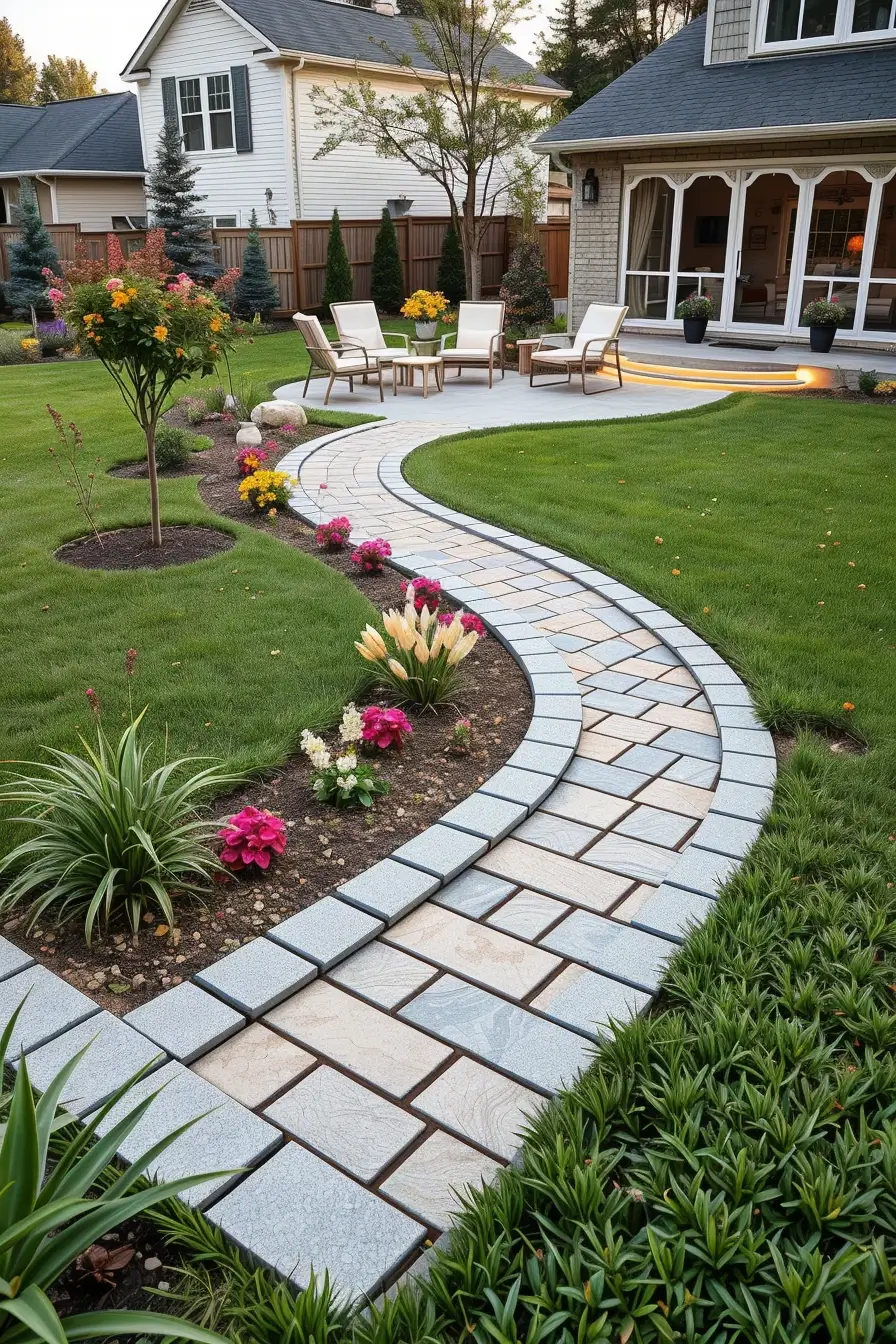
I typically choose concrete or natural stone pavers in neutral tones like sand, charcoal, or warm gray. The pattern itself becomes the decorative element, so I avoid overly bright colors. To enhance the border, I sometimes integrate low-profile LED strip lighting along the edge. Nearby patio furniture in powder-coated metal or teak complements the structured aesthetic and creates a cohesive outdoor living area.
Personally, I appreciate how patterned edging instantly elevates a basic planting bed. According to Better Homes and Gardens, repeating patterns create a sense of order that makes landscapes feel professionally designed. I have seen even small gardens look significantly more polished after installing decorative paver borders.
What is often missing in these projects is expansion spacing. I always leave minimal joint gaps and use polymeric sand to prevent weed growth while allowing natural movement due to temperature changes.
23. Vertical Border Elements That Add Height And Dimension
Vertical flower bed borders are one of the most sculptural trends of 2026. Instead of defining space only horizontally, I incorporate corten steel panels, wooden slat dividers, or narrow gabion walls filled with stone. These elements add height, dimension, and architectural character to the garden. They are particularly effective in small yards where vertical interest makes the space feel larger.
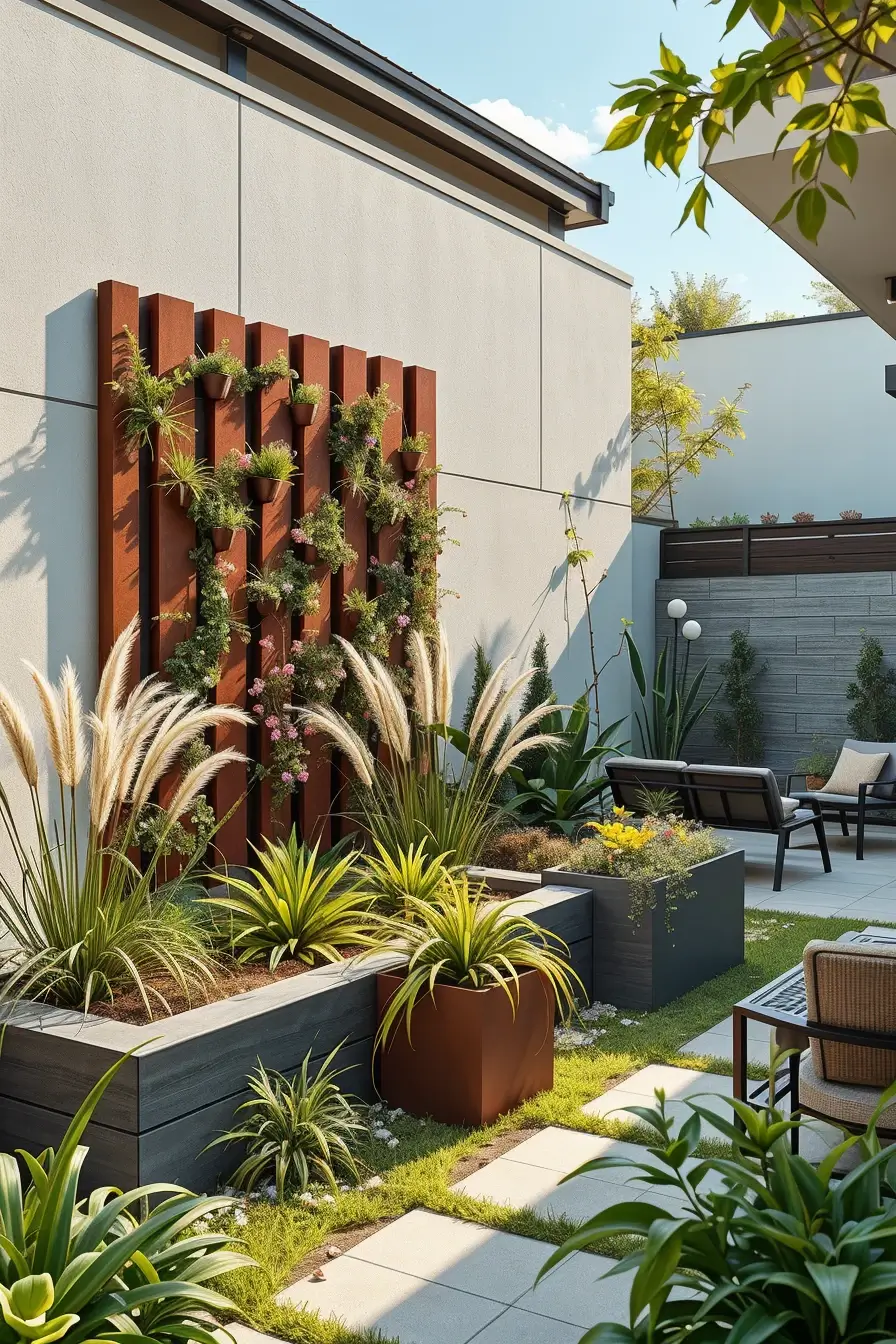
In my projects, I carefully balance materials. For example, corten steel pairs beautifully with ornamental grasses, while vertical timber slats complement minimalist landscaping. Sometimes I include integrated planters within the vertical structure, allowing cascading plants to soften the lines. Modern outdoor furniture placed nearby enhances the sense of an outdoor “room.”
I have noticed that designers featured in Dwell magazine frequently emphasize layering in landscape design, and vertical borders are a perfect example of this principle. I personally value how they create privacy while remaining visually lightweight.
To complete this section, I would add irrigation planning. Vertical elements often change water flow patterns, so I always adjust drip systems accordingly to ensure plants receive consistent moisture.
24. Colorful Painted Border Designs For Playful Gardens
For clients who love bold statements, colorful painted borders offer an artistic and creative approach. In 2026, I see more homeowners experimenting with painted concrete edging, mosaic-style borders, or hand-painted geometric designs. This idea works especially well in family gardens, contemporary homes, or eclectic outdoor spaces.
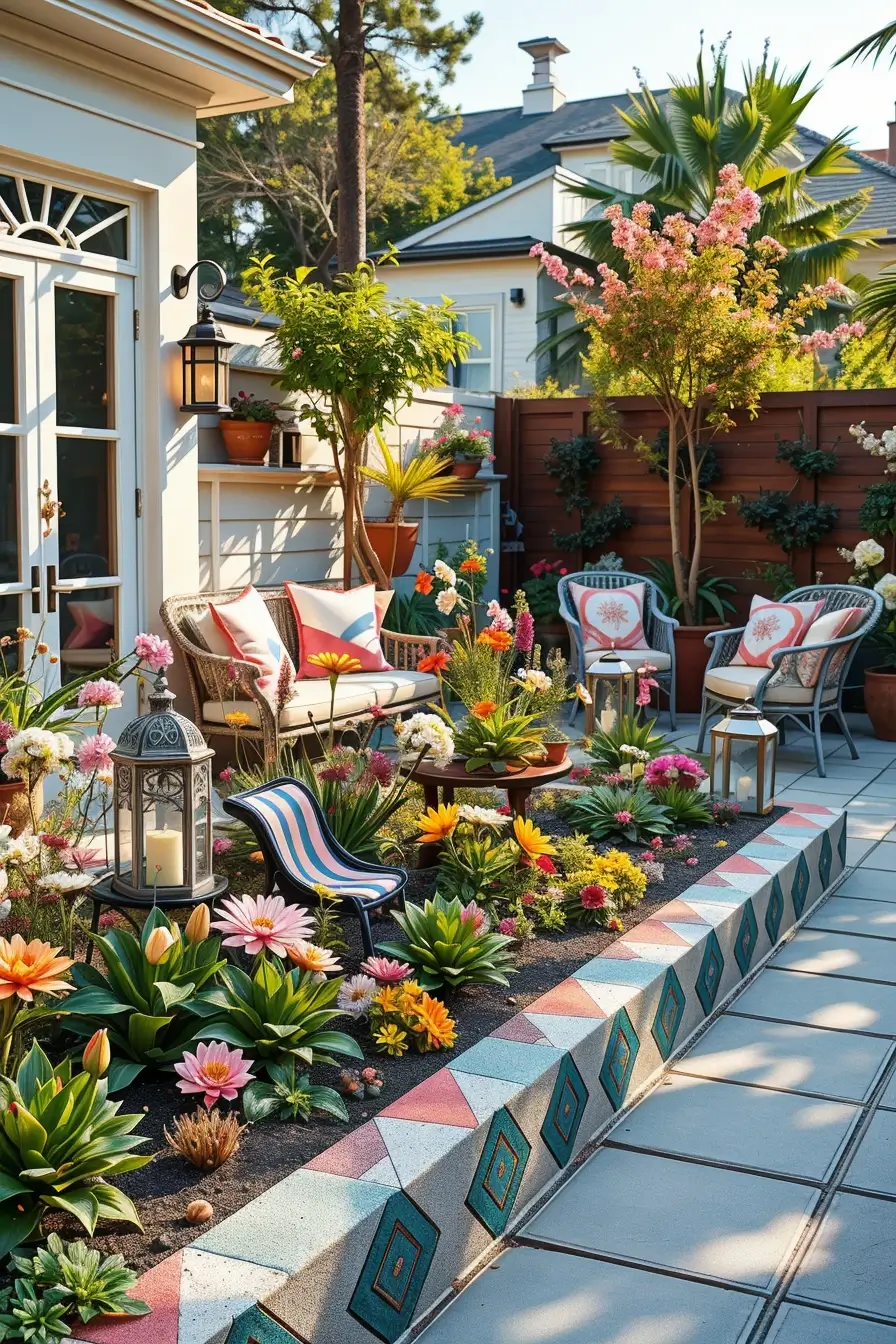
I usually start with a durable concrete or brick base and apply weather-resistant exterior paint in coordinated tones. Soft pastels create a charming cottage effect, while vibrant blues, yellows, or terracotta tones bring energy to the garden. I often match the painted border to outdoor cushions, ceramic planters, or decorative lanterns to create a cohesive look.
In my opinion, this approach reflects personality more than any other border type. Garden designers frequently remind us that outdoor spaces should feel like an extension of the home’s interior style. I agree, especially when homeowners want something unusual and expressive.
What should be added here is proper surface preparation. I always pressure-wash and prime the surface before painting to ensure durability through changing weather conditions.
25. Water-Feature-Integrated Flower Bed Borders
Integrating water features directly into flower bed borders is one of the most stylish and unique flower bed borders trends I see emerging for 2026. A narrow reflecting channel, a stone-lined stream, or a minimalist fountain edge can define planting areas while introducing calming sound and movement.
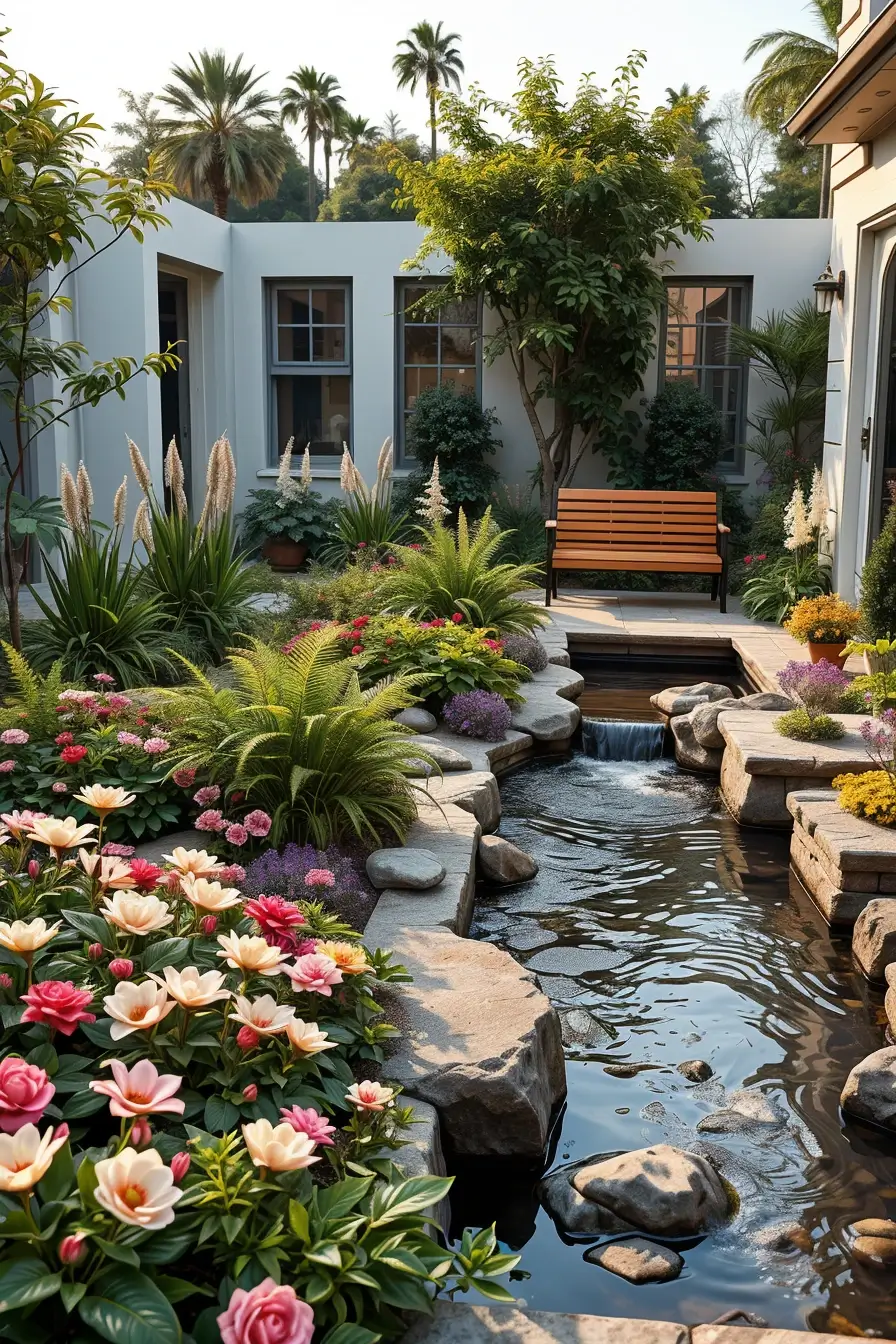
When designing such borders, I combine natural stone edging with concealed water pumps and filtration systems. I prefer subtle water flows rather than dramatic fountains, as they maintain elegance. Surrounding the border with moisture-loving plants like ferns, hostas, or irises enhances the natural appearance. Nearby seating, such as a teak bench or modern lounge chairs, transforms the space into a relaxing retreat.
From my professional experience, incorporating water requires careful planning but delivers exceptional results. Landscape experts often highlight how water elements increase property value and create sensory depth. I have observed that even small integrated water lines can dramatically elevate a garden’s atmosphere.
What is essential here is safety and maintenance planning. I always include accessible pump compartments and non-slip stone surfaces to ensure long-term usability.
26. Sustainable And Eco-Conscious Garden Edging Trends 2026
In 2026, I see a strong shift toward sustainable and eco-conscious flower bed borders that balance aesthetics with environmental responsibility. Homeowners increasingly ask me for creative yet environmentally friendly solutions that reduce waste and support biodiversity. I design borders using reclaimed wood, recycled brick, composite materials made from recycled plastics, or even compressed earth blocks. These solutions not only look stylish but also reflect a thoughtful approach to modern landscaping.
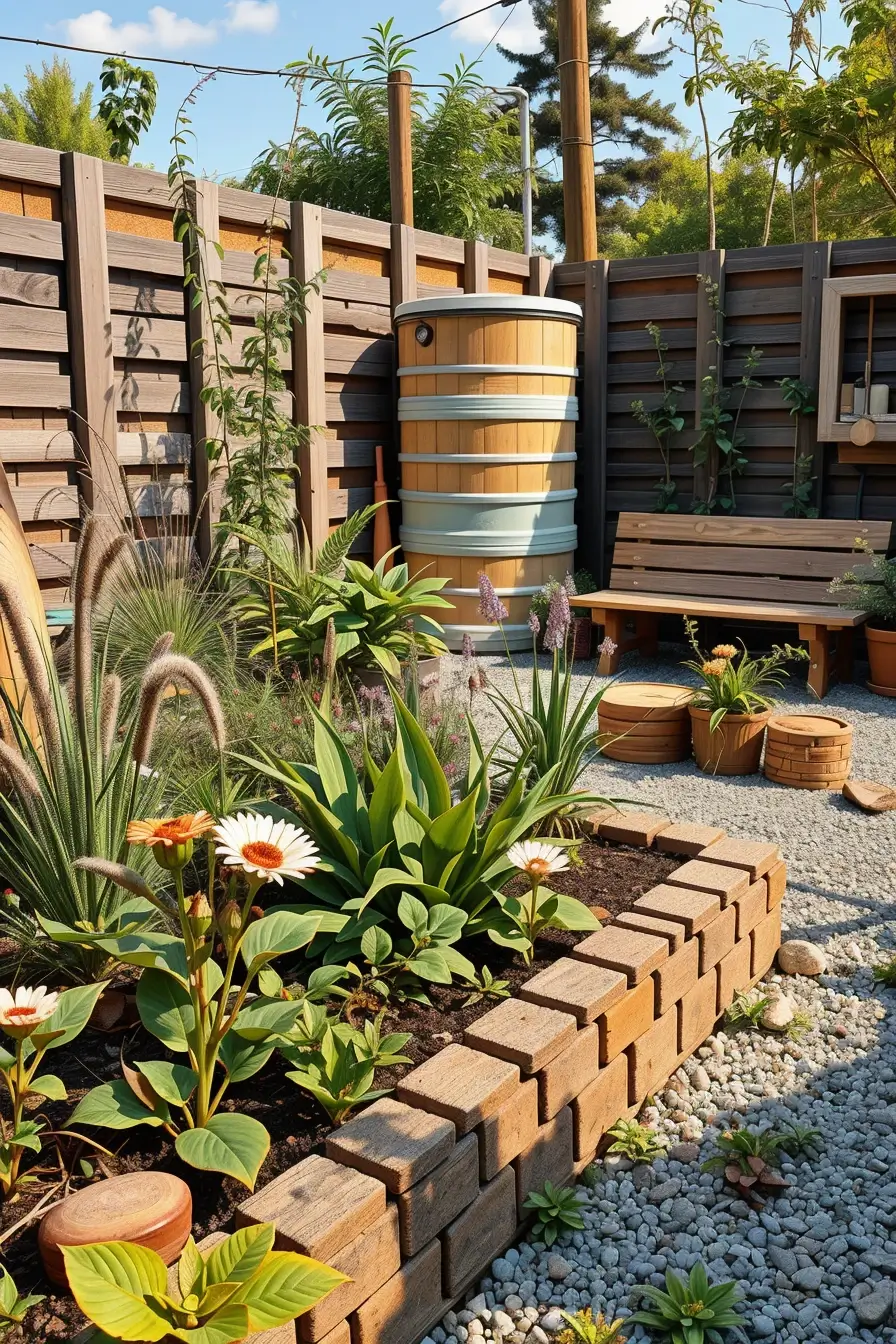
When selecting materials, I prioritize durability and low environmental impact. Reclaimed timber beams create a warm, natural frame for planting beds, while recycled brick adds texture and history. I often combine eco-edging with native plants, permeable gravel bases, and rainwater irrigation systems. A simple outdoor seating area made from FSC-certified wood or recycled metal reinforces the sustainable theme and creates a cohesive outdoor environment.
From my professional perspective, sustainability is no longer optional; it is becoming a core design principle. Publications such as Better Homes and Gardens frequently highlight drought-resistant landscaping and eco-materials as leading trends. I personally believe that environmentally responsible borders can be just as artistic and visually compelling as traditional stone or concrete designs.
What should also be included in this section is soil health planning. I always recommend adding compost layers and organic mulch near eco-friendly borders to support plant vitality and reduce maintenance needs.
27. Minimalist Invisible Borders For Seamless Lawn Transitions
Minimalist invisible borders are ideal for homeowners who prefer clean lines and uninterrupted views. In my projects, I create nearly hidden separations between lawn and flower beds using recessed metal strips, thin concrete lines, or flush stone edging. This approach results in a seamless transition that feels modern and refined.
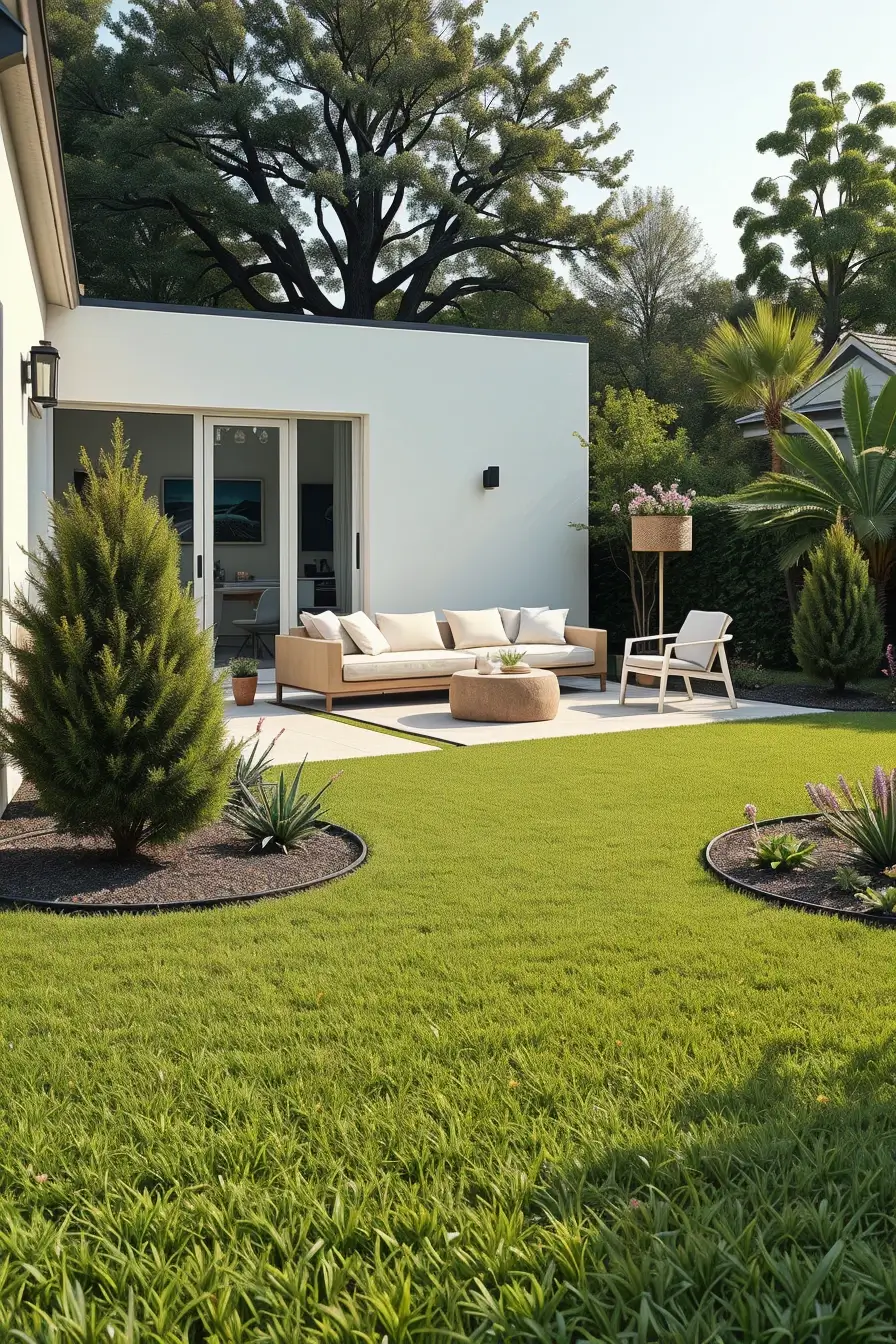
I typically use powder-coated steel or aluminum edging installed slightly below the grass level. This allows the lawn to appear continuous while still keeping soil and mulch contained. The surrounding design often includes sculpted shrubs, structured perennial beds, and contemporary outdoor furniture in neutral tones. The absence of visible borders emphasizes the architecture of the home and the shape of the planting beds themselves.
In my experience, minimalist edging works particularly well in modern and Scandinavian-inspired landscapes. Design experts often emphasize that simplicity enhances longevity, and I agree. A subtle border allows the plants and spatial composition to become the main focus, rather than the edging material.
To complete this section properly, precise installation details must be considered. I always ensure exact leveling and proper anchoring, because even a small misalignment can disrupt the clean aesthetic that defines this style.
28. Boho-Inspired Artistic Garden Border Concepts
For those who appreciate expressive and unusual outdoor spaces, boho-inspired borders provide an opportunity to introduce texture, color, and global influences. I design these borders using mosaic tiles, patterned terracotta bricks, decorative ceramic inserts, and sometimes even sculptural metal accents. The result is a layered, free-spirited composition that feels creative and full of personality.
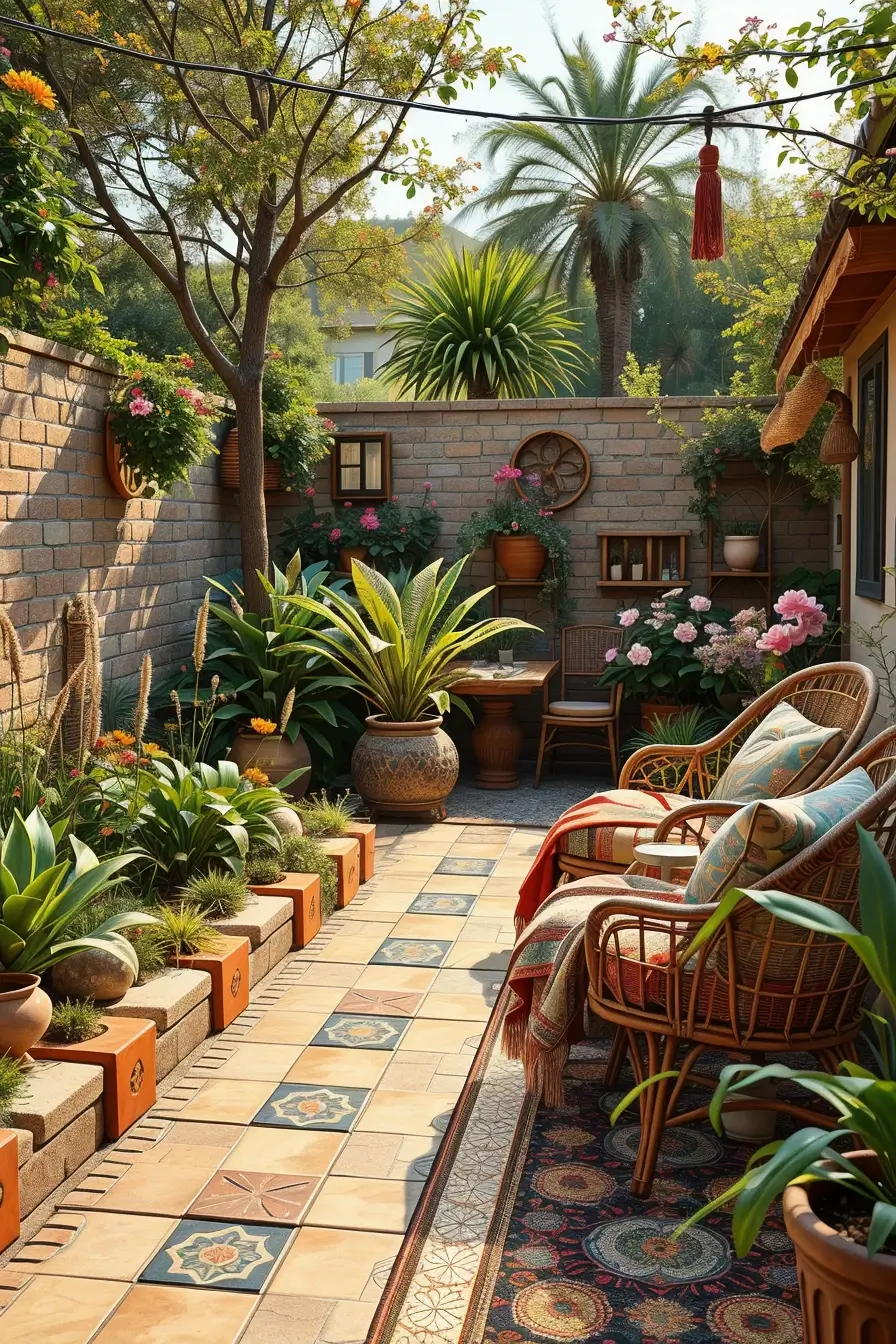
I often incorporate handmade elements such as Moroccan-style tiles or painted stones arranged in flowing patterns. Surrounding the border with ornamental grasses, lavender, and wildflowers enhances the relaxed aesthetic. Outdoor furniture made of rattan, woven textiles, and patterned cushions complements the bohemian theme and creates a cohesive garden lounge area.
Personally, I find that these borders transform the garden into an immersive environment. Design media like Dwell frequently celebrate individuality in outdoor spaces, and I believe this style embodies that philosophy. A well-designed boho border becomes a statement piece that feels both artistic and welcoming.
What should not be overlooked here is balance. I carefully control color combinations to prevent visual overload, ensuring that the overall garden remains harmonious rather than chaotic.
29. Luxury Flower Bed Border Ideas With Designer Appeal
Luxury flower bed borders in 2026 focus on precision, premium materials, and architectural elegance. I create these borders using honed marble, polished granite, custom-cut limestone, or bespoke metal detailing. The goal is to achieve a stylish, sculptural, and high-end finish that enhances property value and visual impact.
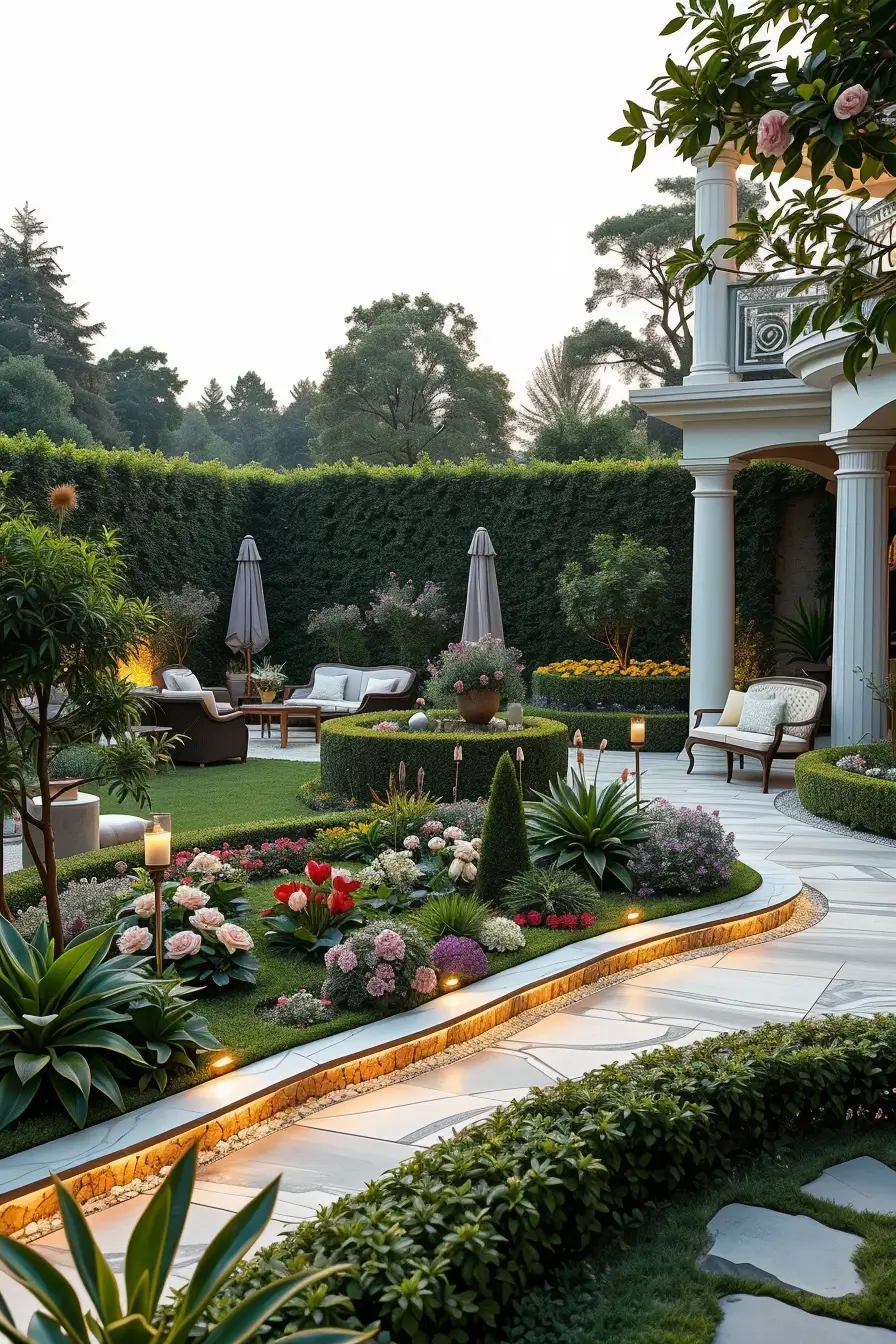
In these projects, I pay close attention to symmetry and proportion. I often integrate subtle lighting within the border, concealed drainage systems, and perfectly aligned planting schemes. Surrounding elements may include designer outdoor furniture, stone pathways, and structured hedges. The materials themselves become focal points, reflecting light and adding depth to the garden.
From my professional experience, luxury edging requires expert installation. According to Architectural Digest, refined outdoor detailing significantly elevates residential landscapes. I have seen how carefully selected materials can transform an ordinary garden into an elegant outdoor extension of the home.
To enhance this section further, I would emphasize maintenance planning. Premium materials must be sealed and regularly cleaned to maintain their refined appearance over time.
30. DIY Creative Flower Bed Borders For Budget-Friendly Style
Not every beautiful garden requires a large budget. I frequently help homeowners design unique flower bed borders using affordable and DIY-friendly materials. Wooden pallets, concrete blocks, recycled bottles, or simple gravel trenches can create surprisingly creative and effective edging solutions.
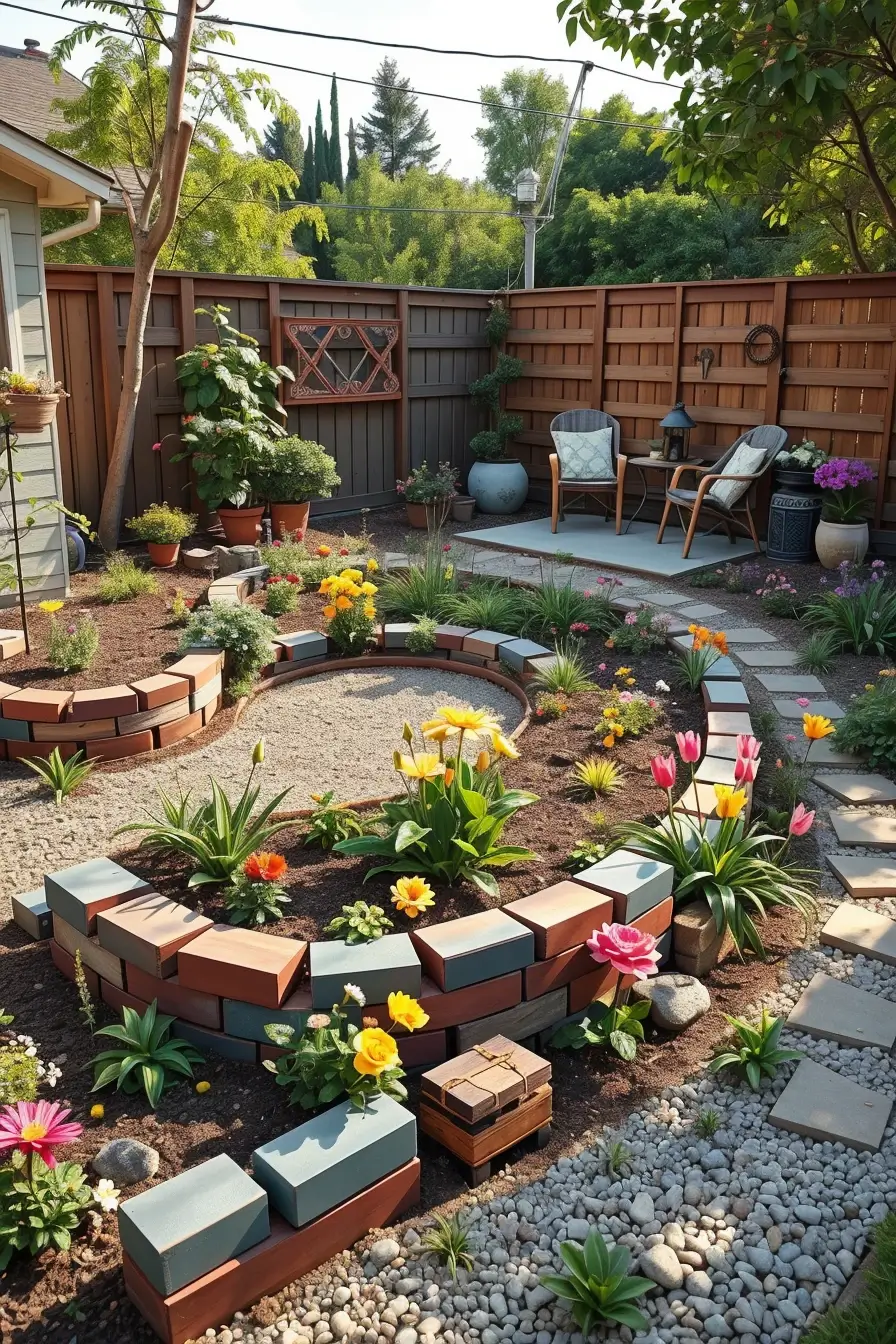
I typically recommend starting with a clear layout plan. Recycled bricks can be stacked in staggered rows, while wooden planks can be sealed and installed along curved bed lines. Painted concrete blocks allow for playful customization. Even repurposed metal sheets can create a modern industrial edge when properly treated against rust.
In my experience, DIY projects offer flexibility and personal involvement in the design process. Many gardening communities encourage experimentation and resourcefulness, and I fully support that mindset. A thoughtfully planned DIY border can look just as stylish and intentional as professionally installed options.
What should be added here is a focus on safety and longevity. I always advise proper sealing of wood, safe anchoring methods, and selecting materials that can withstand local weather conditions.
Flower Bed Border Ideas 2026 prove that garden edging is no longer just a finishing touch — it’s a defining design element. From sculptural metal and natural stone to eco-friendly and artistic DIY solutions, this year’s trends celebrate creativity, individuality, and bold expression. The right border can frame your flowers, enhance structure, and bring harmony to your entire landscape.
As you plan your garden updates, think beyond the ordinary and choose a border that reflects your personal style. In 2026, the most beautiful gardens are the ones that dare to be unique, stylish, and thoughtfully designed from edge to edge.