Outdoor grill areas are no longer just a place to cook—they have become a central part of modern outdoor living. In 2026, outdoor grill area design is evolving to reflect new lifestyles, smarter technology, and a stronger connection between comfort and nature. Homeowners are rethinking their backyards, patios, and terraces as multifunctional spaces where cooking, dining, and socializing happen seamlessly in the open air.
The latest outdoor grill area ideas 2026 focus on thoughtful layouts, durable materials, and designs that work year-round. From compact grill zones for small yards to luxurious outdoor kitchens made for entertaining, today’s grill areas balance style, practicality, and atmosphere. Lighting, seating, storage, and weather protection are no longer extras—they’re essential elements that shape how these spaces are used.
In this article, you’ll discover forward-thinking outdoor grill area ideas that reflect current trends and future needs, helping you create a space that feels inviting, functional, and perfectly suited for modern outdoor living.
1. The Evolution Of Outdoor Grill Areas In 2026
I see outdoor grill areas in 2026 as fully planned living zones rather than secondary backyard features. The design focus has shifted toward permanence, comfort, and architectural harmony with the home. Layouts are more intentional, with defined cooking, prep, dining, and relaxation areas that feel organized and easy to use. These spaces are designed to support everyday living, not just occasional weekend grilling.
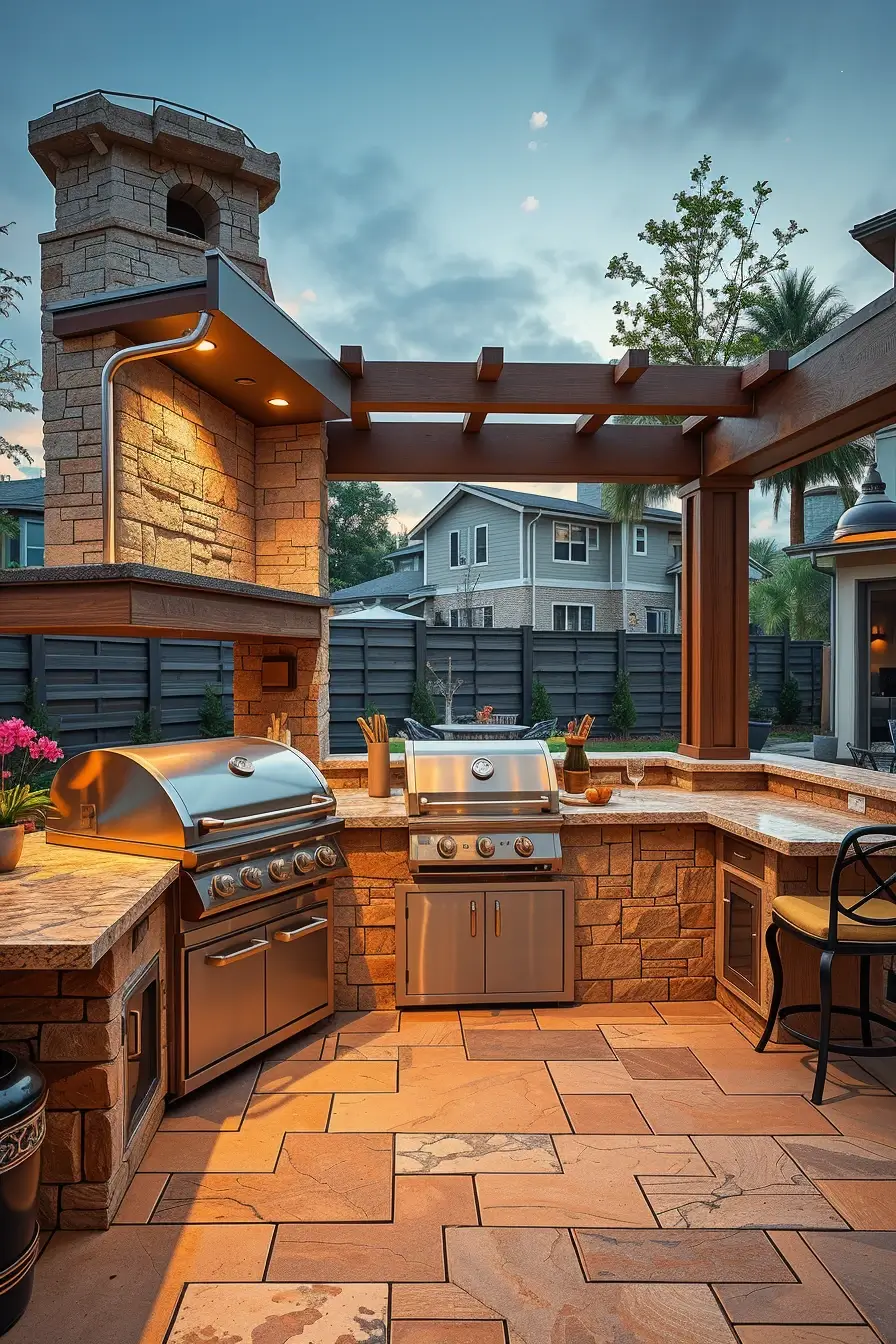
In my work, I notice a stronger emphasis on built-in grills, durable countertops, weather-resistant cabinetry, and flooring that visually connects to interior finishes. Outdoor-rated appliances, integrated storage, and comfortable seating are no longer optional additions but core elements of the design. Each piece serves a clear function while contributing to a polished, modern look.
From my experience, this evolution reflects how people actually use their outdoor spaces today. Designers featured in publications like Architectural Digest consistently highlight the importance of treating outdoor kitchens as true extensions of the home. I agree with this approach, as it increases both usability and long-term value while creating a more cohesive lifestyle environment.
What I would still add to this type of grill area is layered lighting, including task lighting for cooking and softer ambient lighting for evenings. This detail is often underestimated, but it dramatically improves both safety and atmosphere.
2. Modern Outdoor Grill Area Designs For Contemporary Homes
When designing modern outdoor grill areas for contemporary homes, I focus on clean lines, balanced proportions, and materials that feel refined yet durable. These spaces typically feature streamlined layouts with uncluttered surfaces, allowing the grill area to feel calm and intentional rather than crowded. The goal is to support effortless cooking while maintaining a strong visual connection to modern architecture.
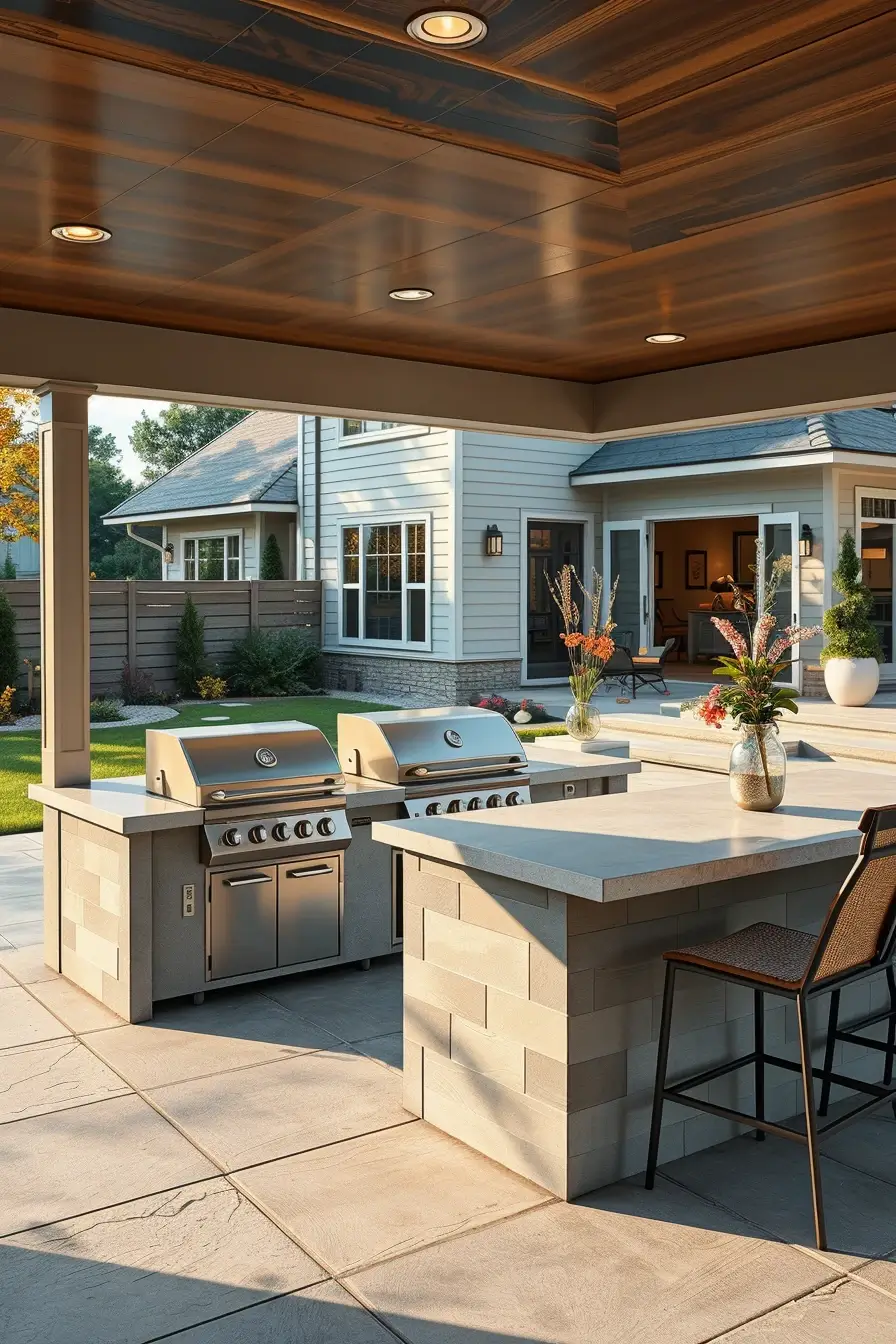
I usually include stainless steel grills, smooth stone or concrete countertops, handle-less cabinetry, and low-profile outdoor furniture. Each element is chosen for both performance and appearance, ensuring the area remains easy to maintain while looking current. Integrated benches, dining tables, and subtle dividers help define zones without breaking visual flow.
In my opinion, contemporary grill areas work best when restraint is applied. Many designers, including those highlighted by Dwell magazine, recommend limiting materials to two or three finishes to avoid visual noise. I’ve followed this advice often, and it consistently results in a more timeless and elegant outdoor space.
To enhance this setup further, I recommend adding a fire feature nearby, such as a linear fire pit. It reinforces the modern aesthetic while extending the usability of the grill area into cooler evenings.
3. Smart Outdoor Grill Areas With Integrated Technology
Smart technology is becoming a defining feature of outdoor grill area ideas in 2026, and I see it changing how people interact with their cooking spaces. These grill areas are designed for precision, convenience, and control, allowing users to monitor temperatures, lighting, and even music from a single device. The layout remains clean, but functionality is significantly enhanced.
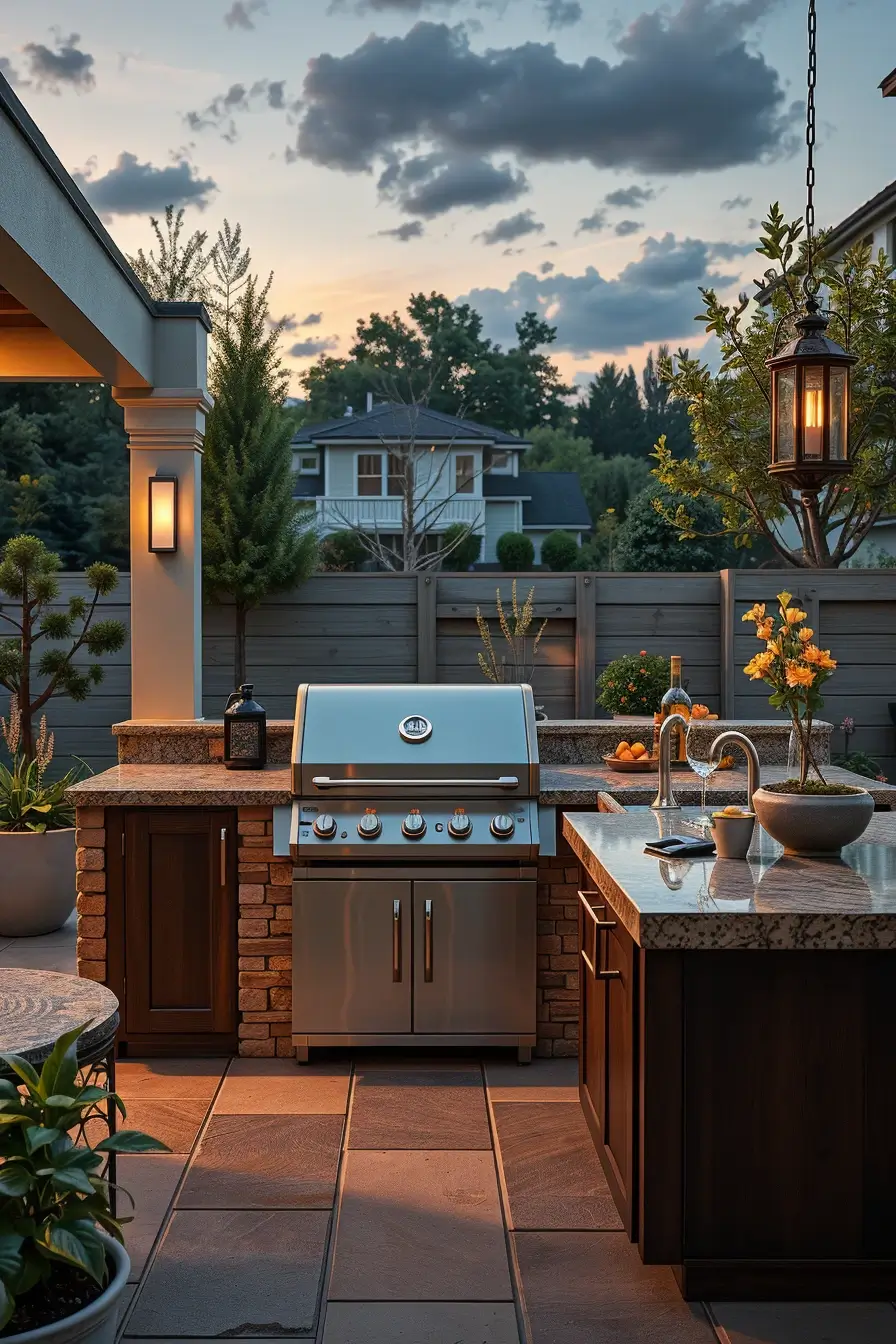
I typically integrate smart grills with app-based temperature control, built-in outdoor speakers, discreet power outlets, and automated lighting systems. Refrigeration drawers, warming cabinets, and digital timers are positioned close to the grill for efficiency. Each technological feature is carefully placed so it supports cooking without dominating the design.
From my experience, smart features are most successful when they simplify the process rather than complicate it. Experts from platforms like Consumer Reports often emphasize choosing reliable, weather-rated technology over excessive features. I follow this guidance to ensure long-term performance and ease of use.
One addition I always suggest is a dedicated charging station protected from the elements. It’s a small detail, but it supports the overall smart concept and keeps devices accessible during outdoor gatherings.
4. Minimalist Outdoor Grill Area Ideas For Clean Aesthetics
Minimalist outdoor grill areas in 2026 prioritize clarity, space, and simplicity. I approach these designs by reducing visual clutter and allowing each element to breathe. The result is an outdoor grill area that feels calm, efficient, and visually balanced, making it ideal for homeowners who value order and simplicity.
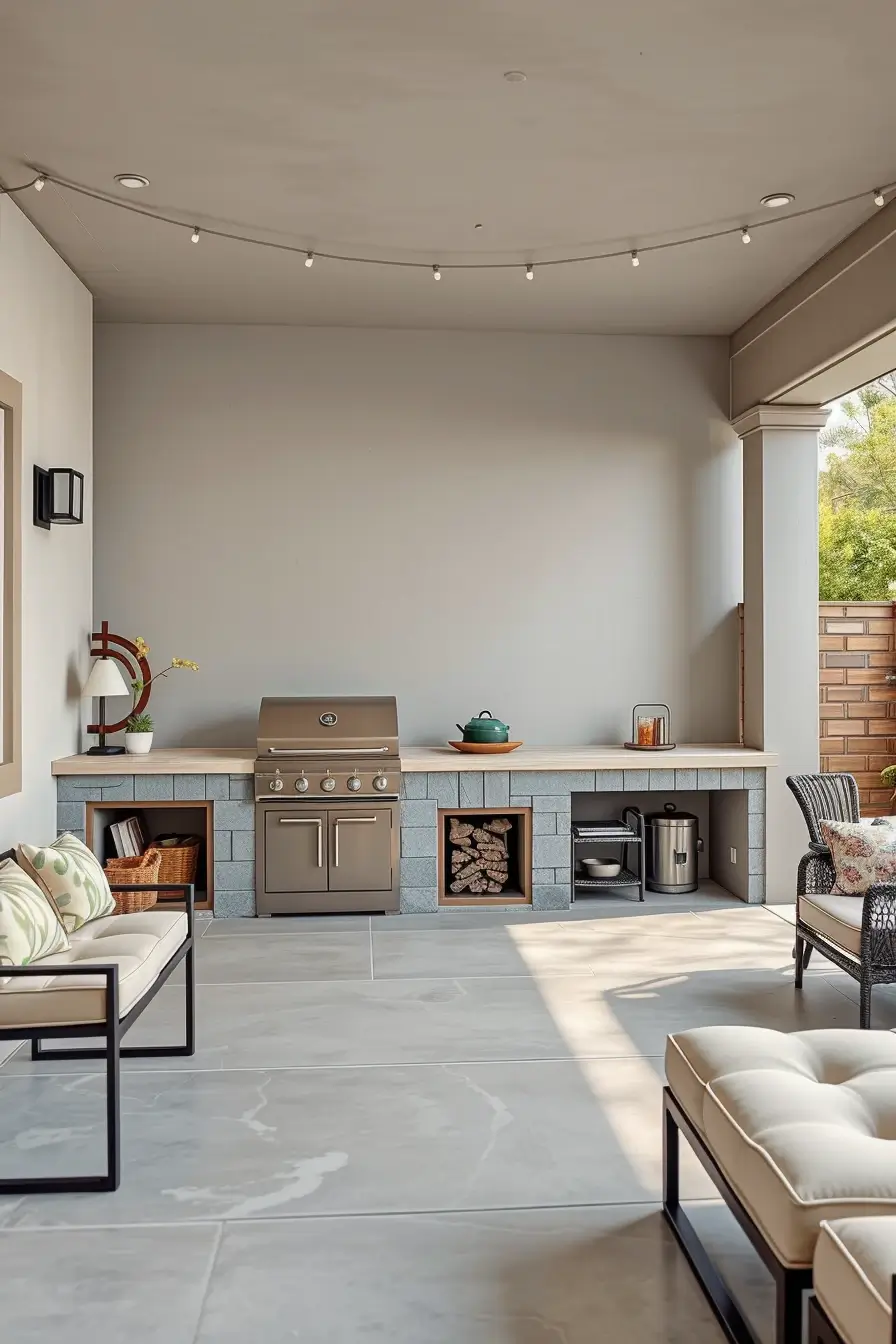
In these spaces, I rely on a limited palette of materials such as concrete, light stone, and matte metal finishes. Furniture is low-profile, often built-in, and storage is concealed to maintain a seamless appearance. The grill itself becomes a focal point without overpowering the space.
Personally, I find minimalist grill areas especially practical for everyday use. Design professionals frequently note that fewer elements mean easier maintenance and better long-term usability. I’ve seen this play out repeatedly in real projects, where simplicity leads to higher satisfaction over time.
To complete this type of grill area, I recommend incorporating subtle greenery in structured planters. It adds warmth without disrupting the clean aesthetic.
5. Luxury Outdoor Grill Areas With Premium Finishes
Luxury outdoor grill areas in 2026 are defined by material quality, thoughtful layout, and comfort-driven design. I see these spaces as outdoor entertaining hubs that rival high-end interior kitchens. The emphasis is on creating an experience rather than just a cooking zone.
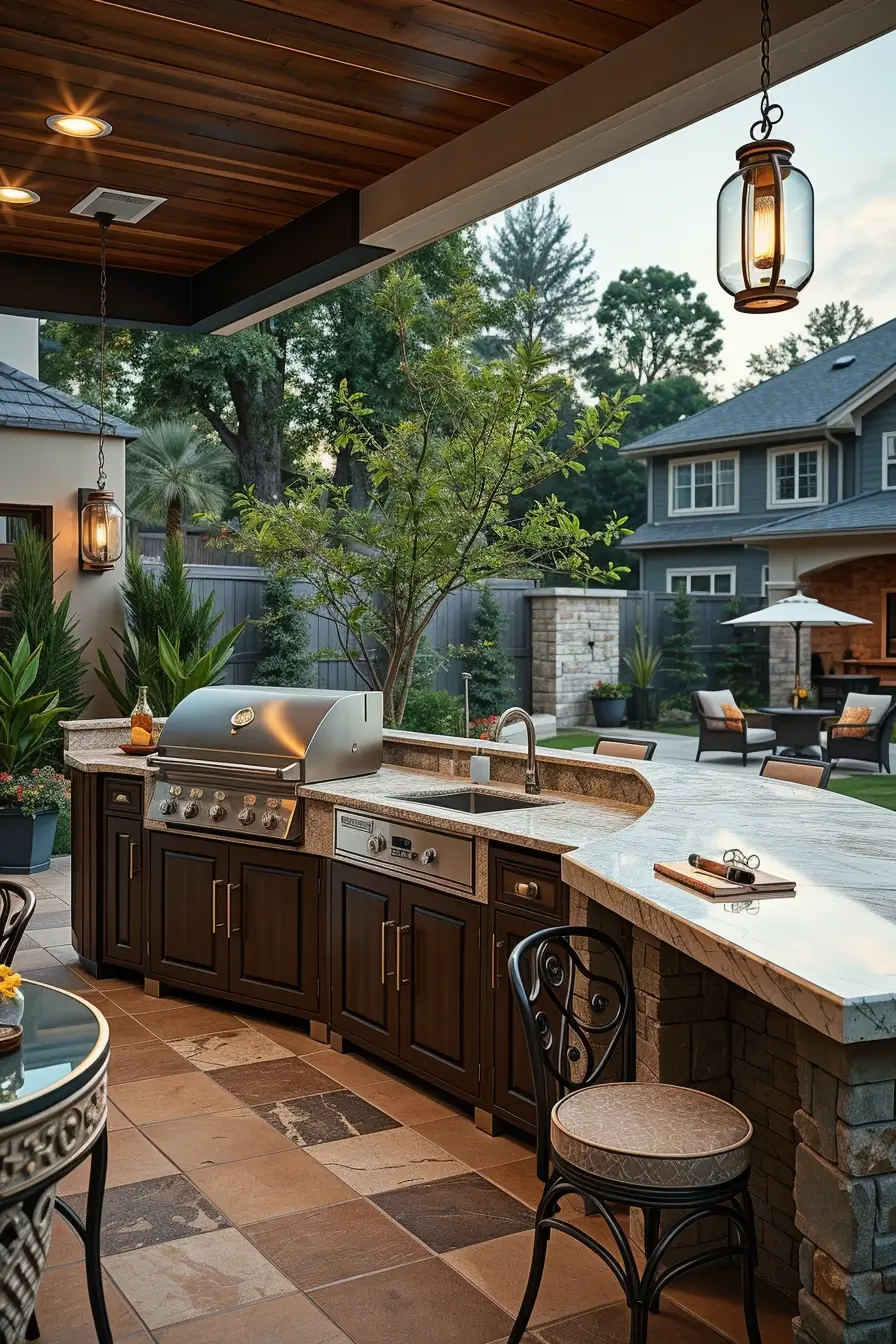
I often include premium stone countertops, custom cabinetry, professional-grade grills, and upholstered outdoor seating. Dining tables, bar seating, and integrated cooling units are positioned to encourage social interaction while cooking. Each element is selected to feel cohesive and refined.
From my professional perspective, luxury does not mean excess. Publications like House Beautiful frequently stress that true luxury comes from craftsmanship and usability. I fully agree, as the most successful luxury grill areas feel effortless rather than overly decorated.
What I would add to elevate this space further is a nearby outdoor lounge zone with weather-resistant textiles. This allows guests to relax comfortably while remaining connected to the grill area.
6. Small Outdoor Grill Area Ideas For Compact Spaces
When working with compact outdoor areas, I focus on maximizing functionality without overwhelming the space. In 2026, small outdoor grill areas are carefully planned to feel efficient and visually open, even when square footage is limited. Thoughtful layouts allow cooking, prep, and light seating to coexist comfortably in a reduced footprint.
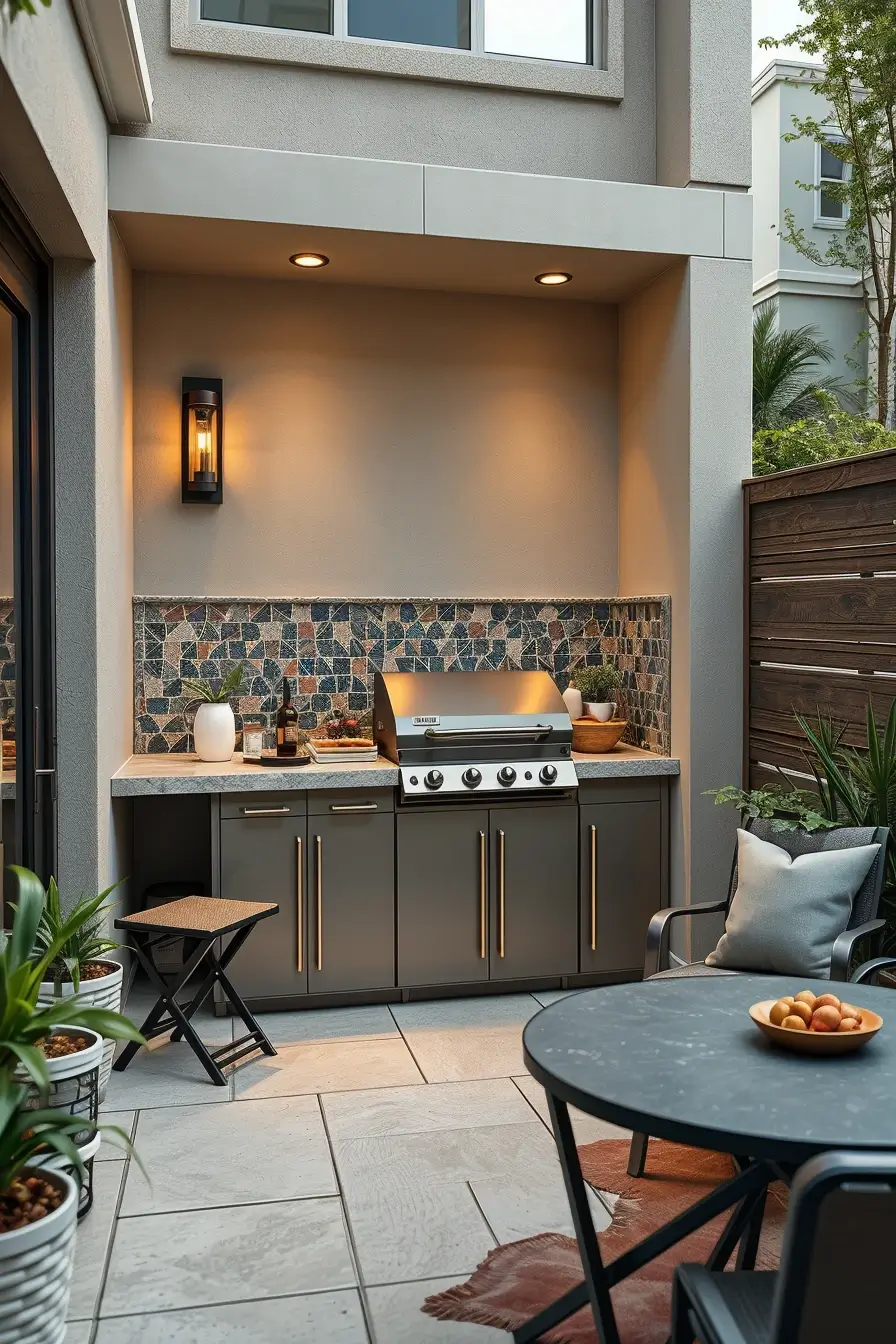
I usually select compact built-in or freestanding grills, narrow countertops, and vertical storage solutions. Foldable side shelves, slim bar counters, and stackable or built-in seating help maintain flexibility. Each element is chosen to serve more than one purpose, ensuring nothing feels unnecessary or bulky.
From my experience, small grill areas perform best when circulation is prioritized. Designers frequently mentioned in Better Homes and Gardens suggest keeping clear walkways and avoiding oversized furniture outdoors. I follow this advice closely, as it improves both comfort and safety in compact layouts.
To complete this type of grill area, I recommend adding wall-mounted lighting and reflective surfaces. These elements visually expand the space while improving evening usability.
7. Outdoor Grill Areas Designed For Entertaining Guests
Outdoor grill areas designed for entertaining in 2026 are centered around social interaction. I approach these spaces as gathering hubs where cooking becomes part of the experience rather than a separate task. The layout encourages conversation, movement, and shared moments around the grill.
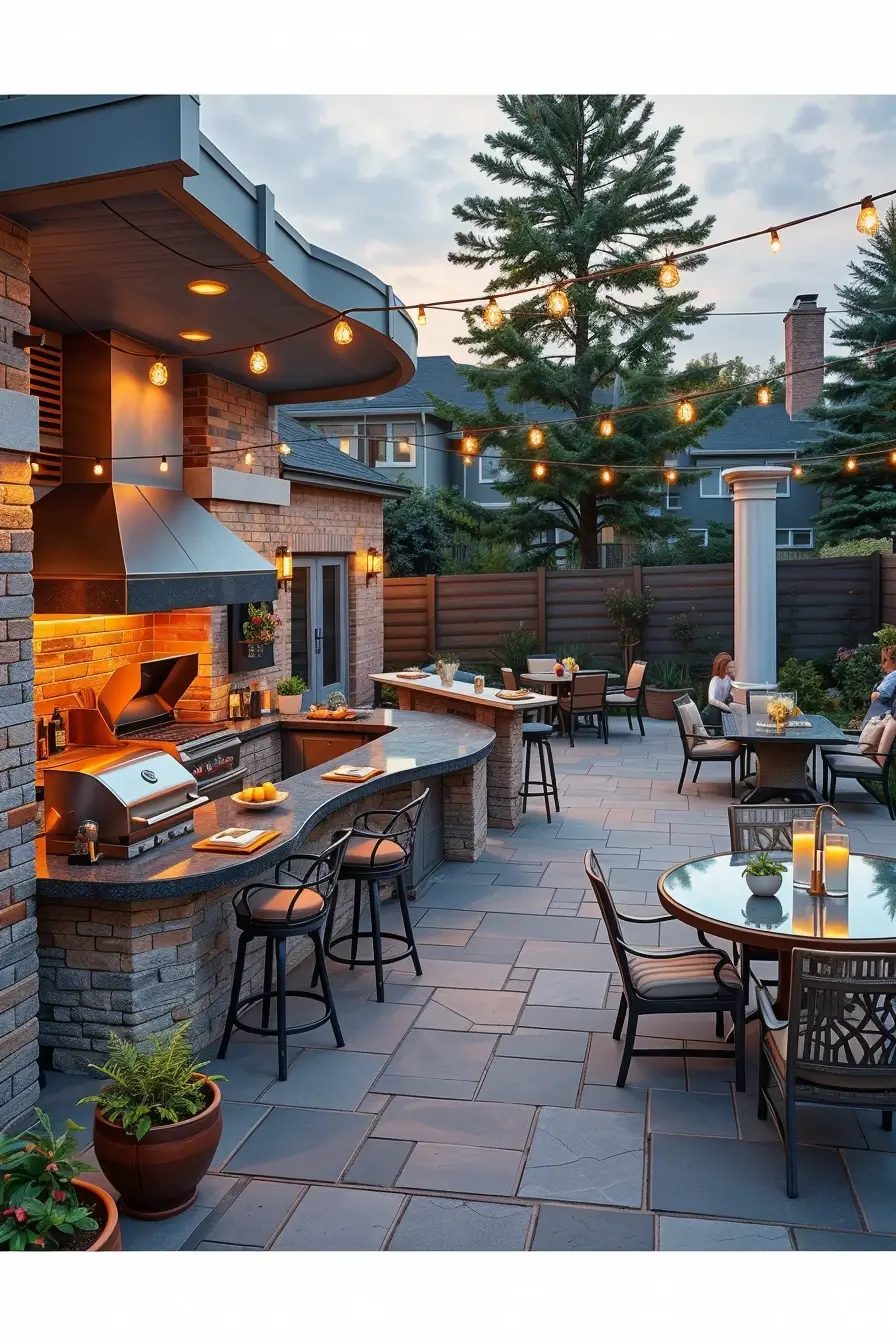
I typically include large prep surfaces, bar-height counters, comfortable seating, and a clear visual connection between the grill and dining zones. Furniture is arranged to face the cooking area, allowing guests to stay engaged. Durable yet stylish materials ensure the space remains practical for frequent use.
In my opinion, successful entertaining spaces depend on flow. Interior design experts often emphasize zoning outdoor areas without isolating them, and I’ve seen how effective this strategy can be. When guests naturally circulate between seating, dining, and cooking areas, the entire space feels more welcoming.
What I would add to enhance this setup is a dedicated beverage station or outdoor bar. It reduces traffic near the grill while keeping guests comfortably entertained.
8. Sustainable Outdoor Grill Area Ideas For Eco-Friendly Living
Sustainability plays a major role in outdoor grill area ideas for 2026, and I see more homeowners prioritizing eco-conscious choices. These grill areas are designed to reduce environmental impact while maintaining comfort and modern appeal. The focus is on durability, efficiency, and responsible material selection.
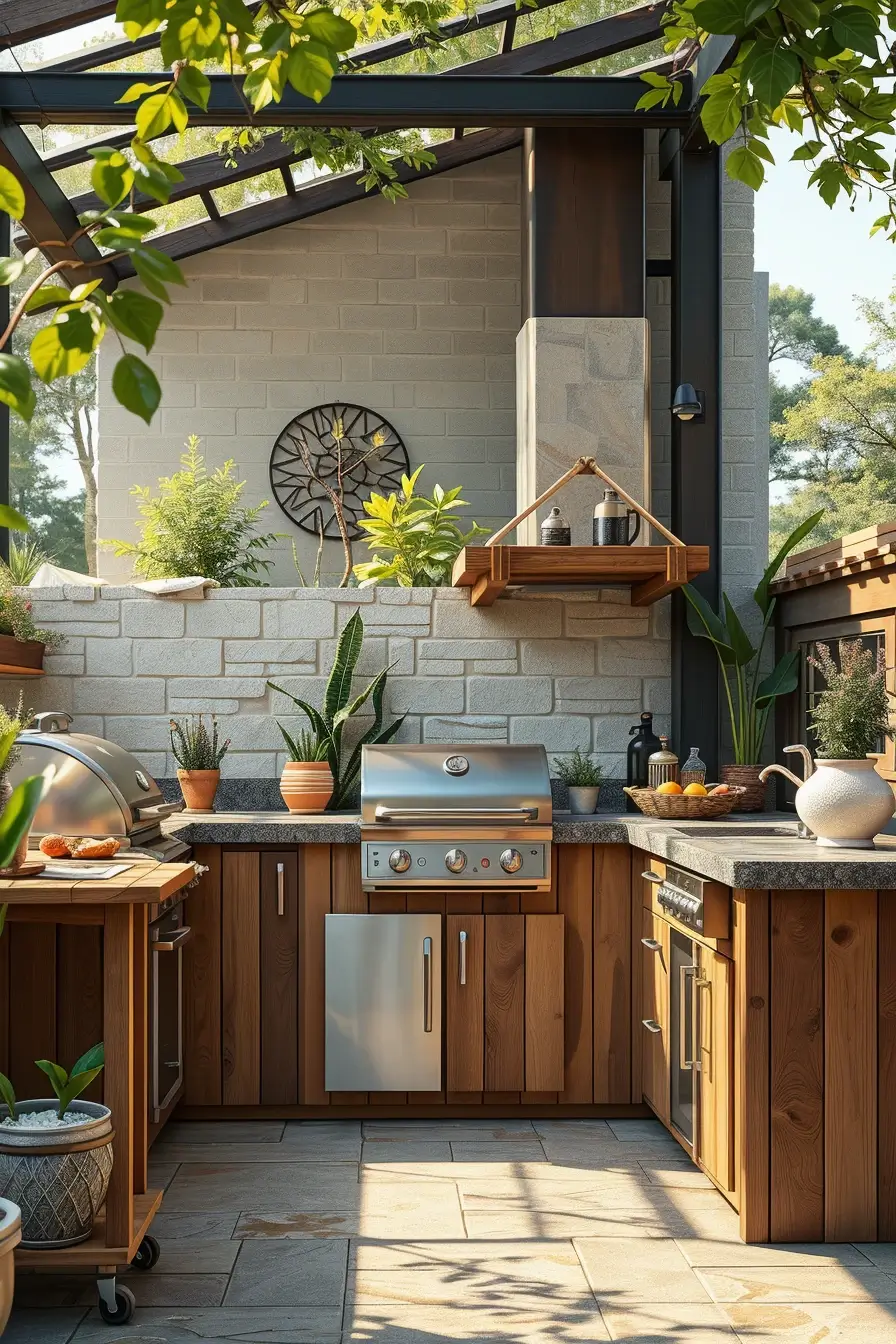
I often incorporate recycled or locally sourced materials, energy-efficient grills, and long-lasting finishes that require minimal replacement. Furniture made from responsibly produced materials and surfaces that withstand weather extremes help extend the life of the space. Each choice supports sustainability without compromising design quality.
From my professional perspective, eco-friendly outdoor spaces are also more cost-effective over time. Publications like The Spruce frequently highlight how sustainable materials reduce maintenance and replacement needs. I agree with this approach, as it benefits both homeowners and the environment.
To further strengthen this concept, I suggest integrating rainwater collection for nearby landscaping or choosing permeable flooring to support natural drainage.
9. Covered Outdoor Grill Areas For All-Weather Use
Covered outdoor grill areas are increasingly popular in 2026, as they allow year-round use regardless of weather conditions. I design these spaces to provide protection while maintaining an open, airy feel. The structure becomes an architectural feature rather than a visual barrier.
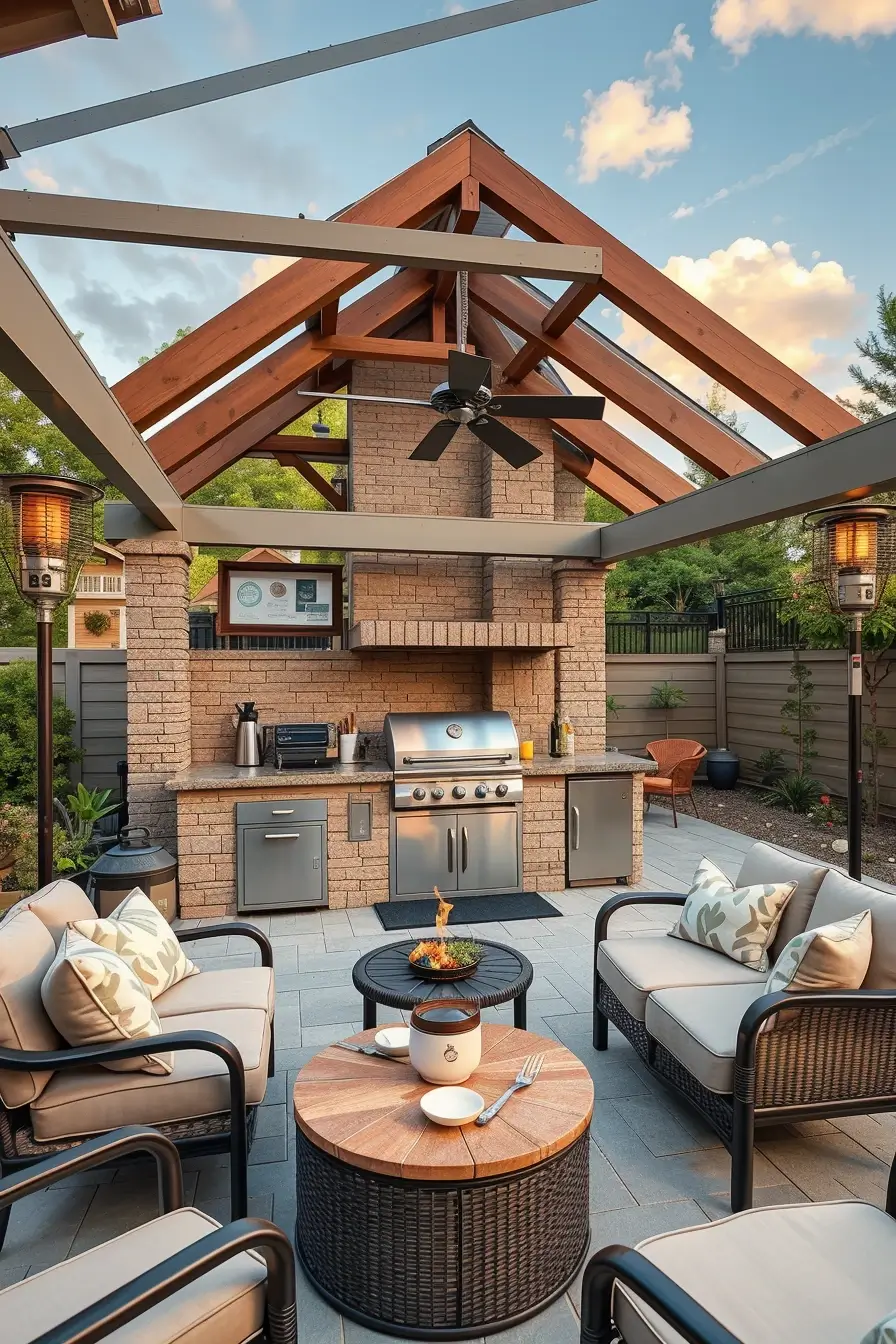
I usually include pergolas, solid roof extensions, or adjustable louvered covers paired with outdoor-rated lighting and heating elements. Weather-resistant furniture, ceiling fans, and built-in grills ensure comfort across seasons. These features allow the grill area to remain functional during rain, wind, or strong sun.
In my experience, covered grill areas significantly increase how often the space is used. Designers cited in HGTV often recommend overhead coverage as one of the most valuable outdoor upgrades. I’ve found this to be true, especially for households that enjoy frequent outdoor meals.
What I would add here is retractable side panels or outdoor curtains. They offer extra protection when needed while preserving flexibility and openness.
10. Open-Air Outdoor Grill Areas With Seamless Yard Flow
Open-air outdoor grill areas in 2026 are designed to blend naturally with the surrounding yard. I focus on creating a smooth transition between cooking spaces, greenery, and open lawn areas. These designs feel relaxed, inviting, and visually connected to nature.
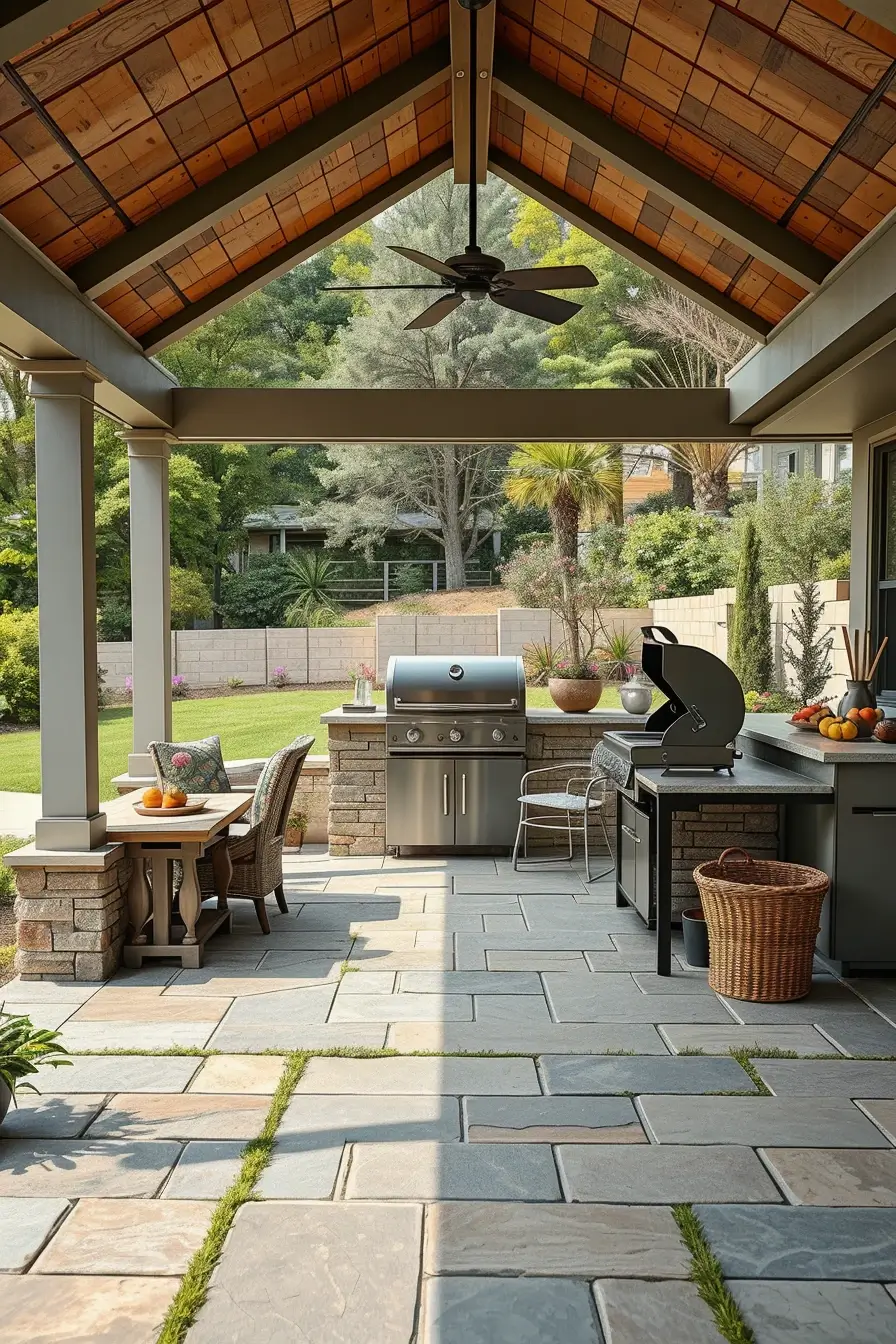
I often use consistent flooring materials, low-profile furniture, and unobtrusive grills to maintain openness. Seating and dining areas are positioned to face the yard, reinforcing the connection between the grill area and outdoor landscape. The absence of heavy barriers allows the space to breathe.
From my perspective, this approach supports both aesthetics and comfort. Landscape designers frequently stress the importance of visual continuity, and I’ve seen how it enhances outdoor experiences. When grill areas feel integrated rather than enclosed, they naturally invite longer use.
To refine this concept, I recommend subtle ground lighting and integrated pathways. These additions improve navigation after dark while preserving the open-air feel.
11. Outdoor Grill Areas With Built-In Seating Solutions
I see built-in seating as one of the most practical upgrades for a backyard grill area, especially when space planning matters. In 2026, outdoor grill zones are increasingly designed as permanent extensions of the home, with seating integrated directly into walls, counters, or raised platforms. This approach improves circulation, keeps the layout visually cohesive, and ensures guests naturally gather around the cooking zone without cluttering the space with movable furniture.
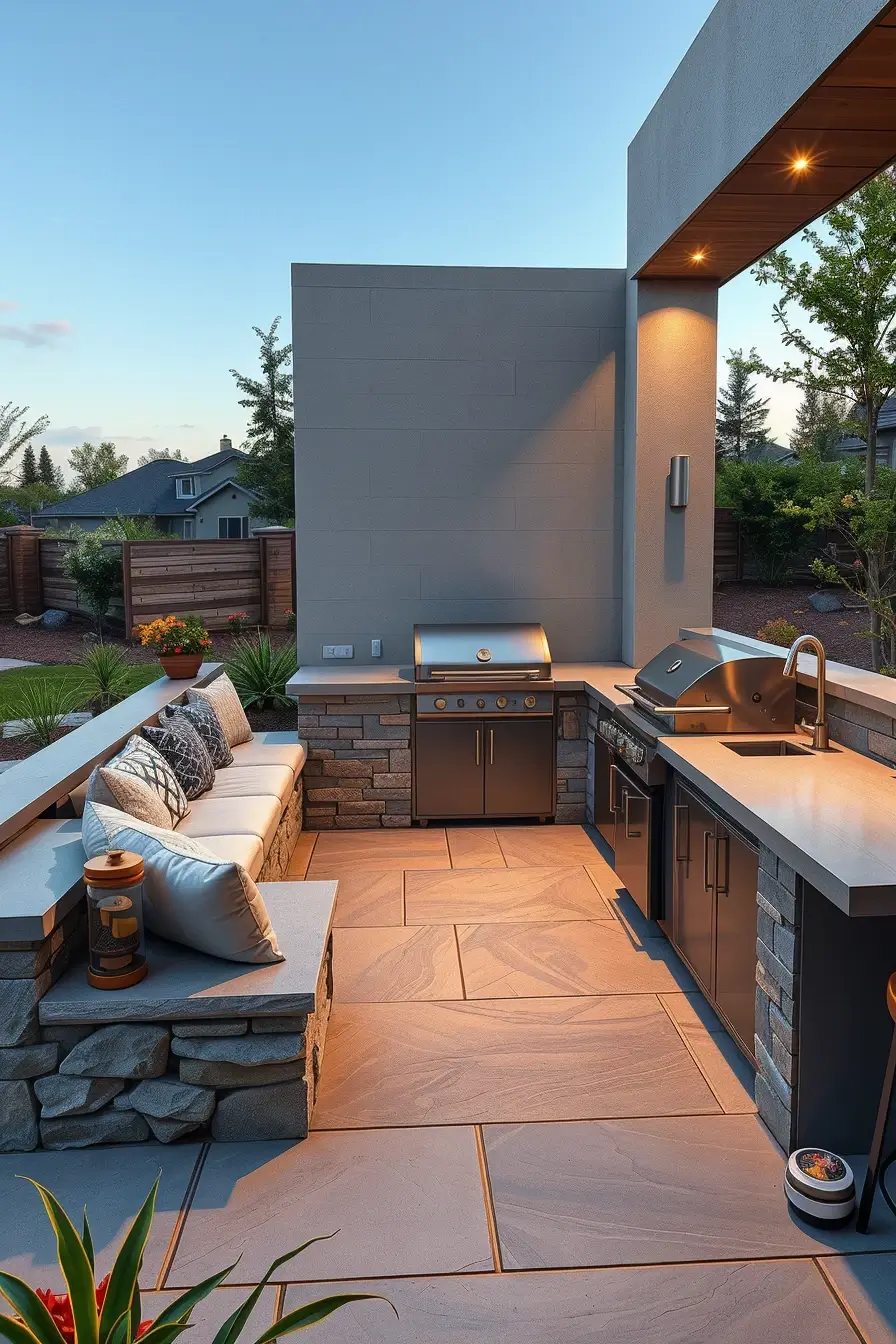
From my experience, built-in benches, L-shaped seating, and low-profile concrete or stone seating walls work best near the grill. I often recommend weather-resistant cushions, integrated storage beneath seats, and heat-safe distances from the grill itself. These elements allow the seating to feel intentional while remaining comfortable and durable for daily use.
Personally, I’ve noticed that homeowners entertain more confidently when seating feels anchored and planned. Designers frequently highlighted in Architectural Digest emphasize that built-in seating helps outdoor spaces feel architectural rather than temporary, and I fully agree based on projects I’ve worked on.
What I would still add to this type of setup is subtle back support or removable cushions for longer gatherings, along with integrated side tables or ledges for drinks and plates, which greatly improves usability without compromising design.
12. Fire-Inspired Outdoor Grill Area Concepts For 2026
Fire-inspired layouts are becoming a defining element of outdoor grill area ideas 2026, blending cooking, warmth, and ambiance into one cohesive design. I approach these spaces by positioning the grill alongside fire features such as linear fire pits or fire bowls, creating a unified visual language that feels both functional and inviting.
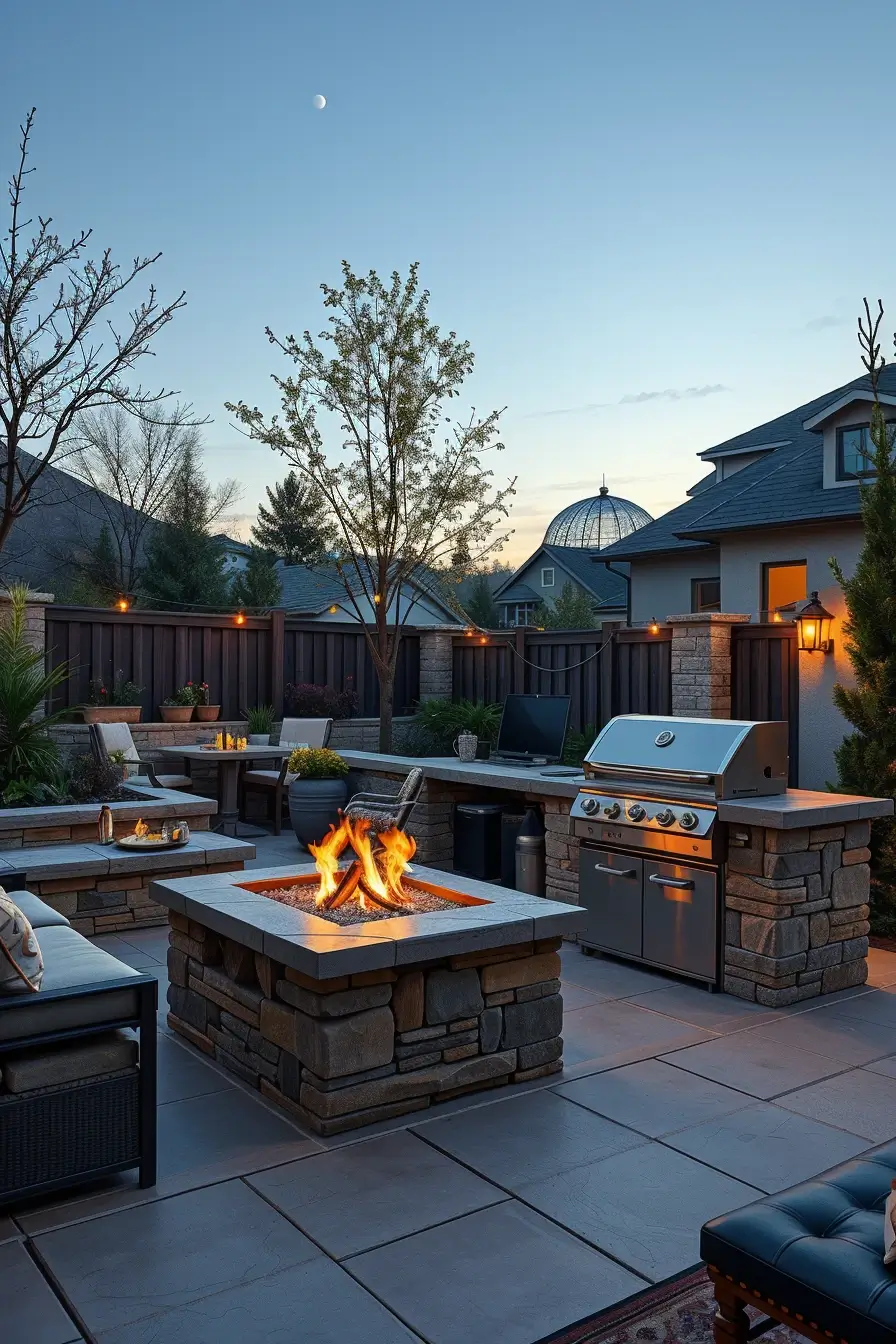
In these designs, I focus on fire-rated materials like steel, concrete, and stone, paired with heat-resistant countertops and built-in safety clearances. Fire features not only enhance visual appeal but also extend the usability of the outdoor cooking space into cooler evenings, which is increasingly important for year-round outdoor living.
From personal experience, clients often underestimate how much atmosphere fire adds to a grill area. Well-known outdoor living experts from HGTV frequently note that layered fire elements create emotional warmth, not just physical heat, and I’ve seen this dramatically improve how often these spaces are used.
To complete this concept, I would always include adjustable flame controls and wind protection screens, ensuring safety and comfort without sacrificing the dramatic effect that fire-inspired designs bring.
13. Outdoor Grill Areas With Stone And Concrete Accents
Stone and concrete continue to dominate modern outdoor grill area design due to their durability and timeless appearance. I rely on these materials when creating grill zones that need to withstand heat, weather, and heavy use while still looking refined and intentional.
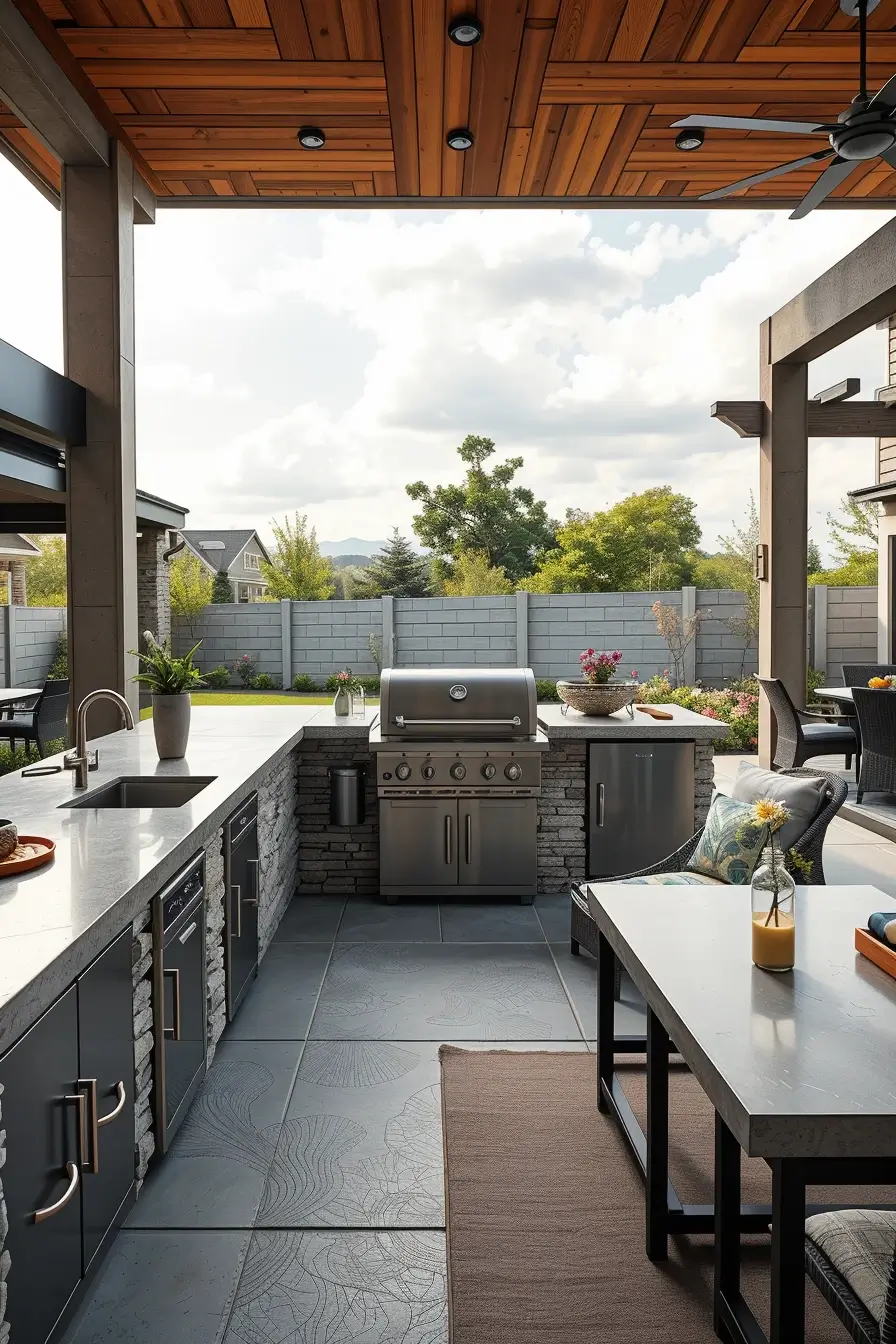
In practical terms, I incorporate concrete countertops, stone cladding around grill islands, and textured concrete flooring to anchor the space visually. These materials pair exceptionally well with stainless steel grills and minimalist cabinetry, creating a clean yet substantial look that fits contemporary outdoor architecture.
In my professional view, stone and concrete also add a sense of permanence that many homeowners want in 2026. Designers featured in Dwell often point out that tactile, natural materials help outdoor spaces age gracefully, and I’ve found that this is especially true for grill areas exposed to the elements.
What I would enhance further is lighting integration within stone features, such as recessed LED strips under counters or along stone walls, which elevates both safety and nighttime aesthetics.
14. Wooden Outdoor Grill Area Ideas For Natural Appeal
Wood-focused outdoor grill areas bring warmth and balance to modern landscapes, especially when combined with sleek grills and clean-lined layouts. I design these spaces to soften hard materials like steel and concrete while maintaining durability through careful material selection.
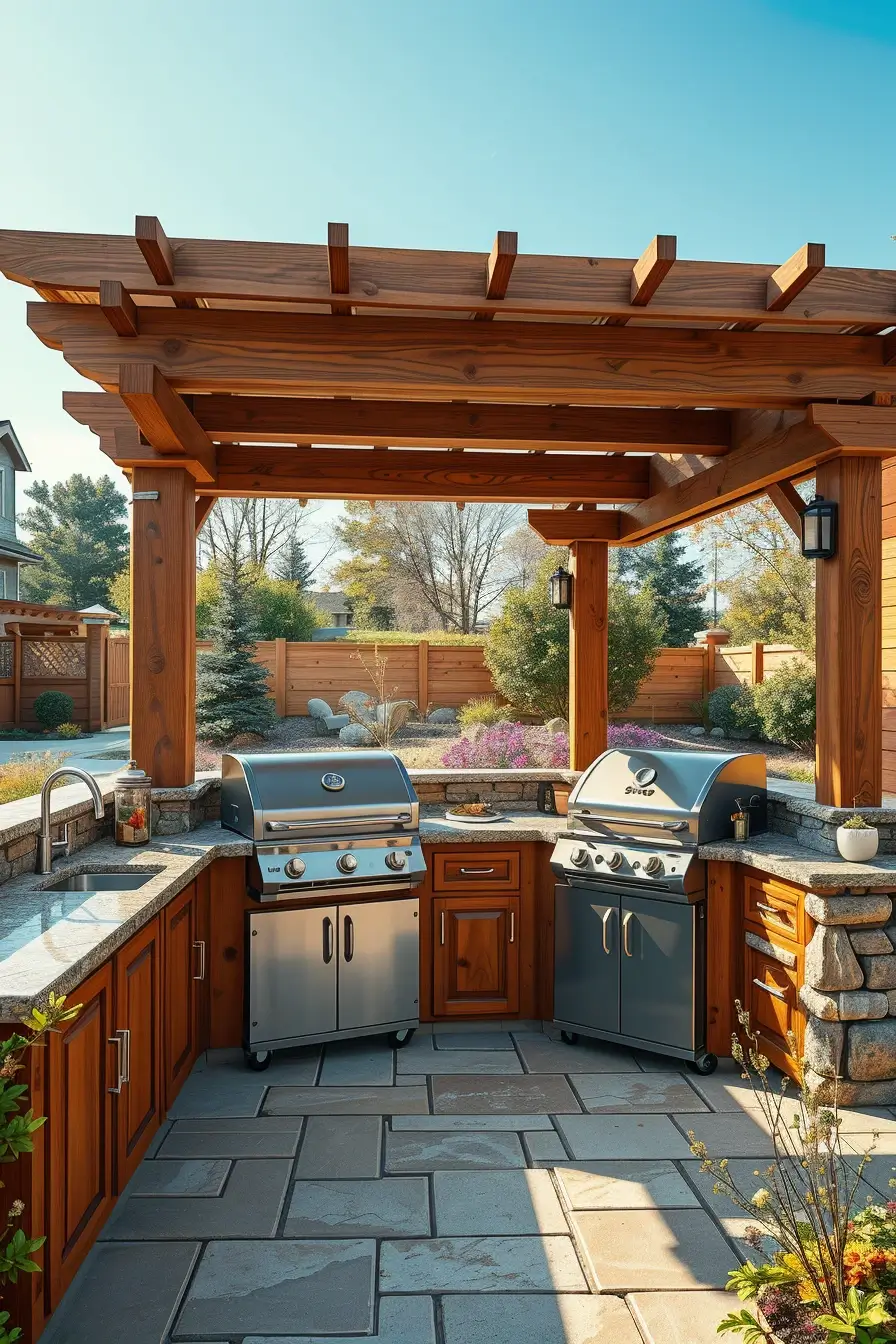
I typically use treated hardwoods, composite wood panels, or thermally modified wood for cabinetry, pergolas, and privacy screens. These materials provide visual comfort while resisting moisture and temperature changes, making them suitable for long-term outdoor use.
From my own experience, wood-based grill areas feel more inviting and less industrial, which many families prefer. Landscape architects frequently featured in Better Homes & Gardens recommend using wood strategically to create a connection between outdoor kitchens and surrounding greenery, a strategy I often apply.
To improve this concept further, I would always add protective finishes and shaded structures, such as slatted pergolas, to preserve the wood’s appearance and extend its lifespan.
15. Outdoor Grill Areas With Integrated Dining Zones
Integrated dining is essential when designing outdoor grill area ideas 2026, as cooking and eating now happen within the same visual and functional zone. I approach this by planning clear transitions between the grill, prep area, and dining table without breaking the overall flow.
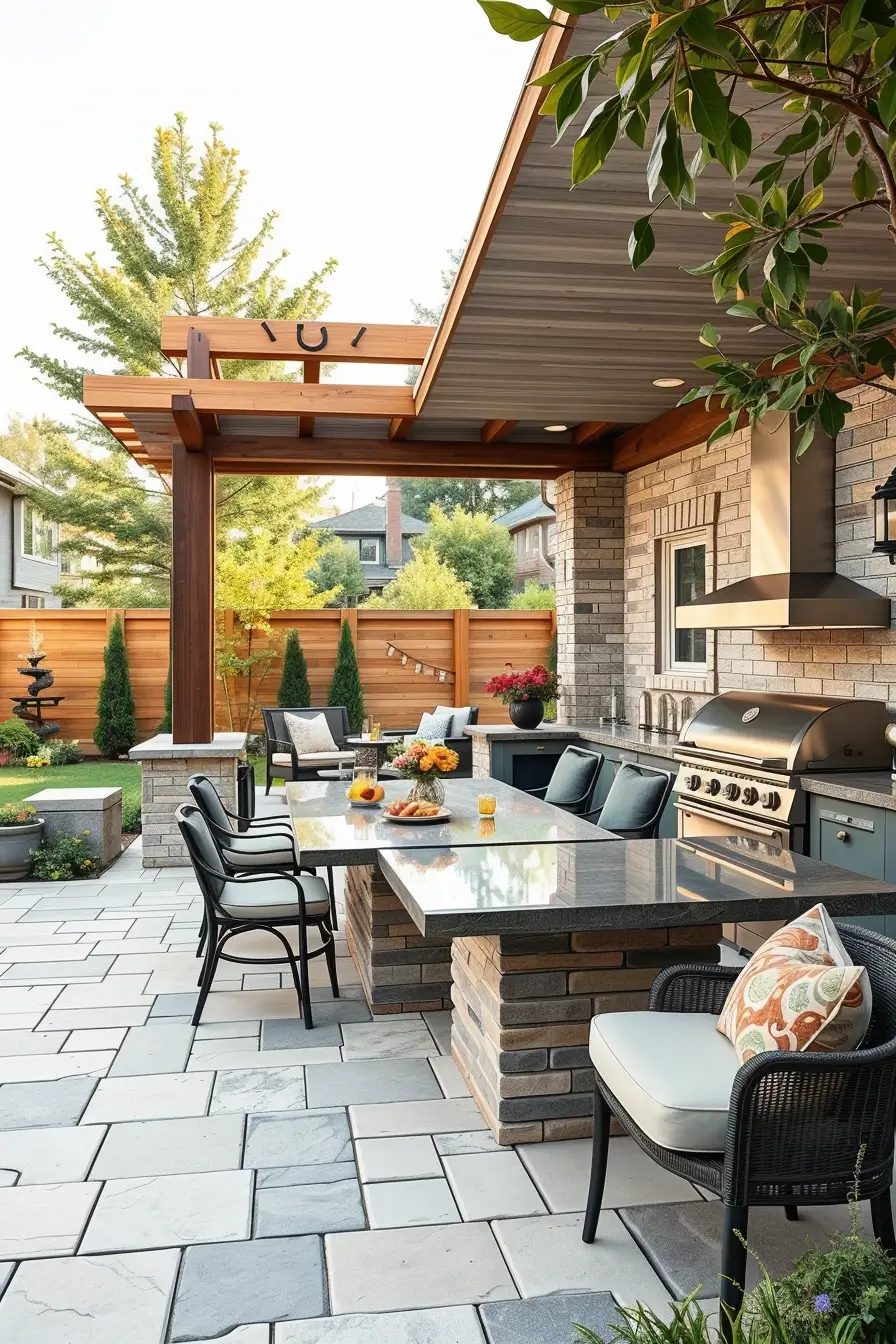
I usually recommend weather-resistant dining tables, built-in banquettes, or extended countertops that double as serving and dining surfaces. These choices reduce unnecessary movement and keep everything within reach, which is especially useful for family meals and casual entertaining.
In my opinion, this setup transforms a backyard grill area into a true outdoor room. According to experts cited by House Beautiful, dining zones should feel as comfortable as indoor spaces, and I’ve seen how this mindset encourages more frequent outdoor dining.
What I would still add is flexible lighting above the dining zone, such as dimmable pendants or overhead fixtures, ensuring the area works equally well during daytime and evening gatherings.
16. Backyard Outdoor Grill Area Ideas For Family Living
When I design backyard grill area layouts for family living, my focus is always on safety, comfort, and ease of movement. In outdoor grill area ideas 2026, these spaces are planned as shared environments where cooking, relaxing, and supervising children can happen simultaneously. Clear zoning between the grill, seating, and open activity areas makes the space practical without feeling restrictive.
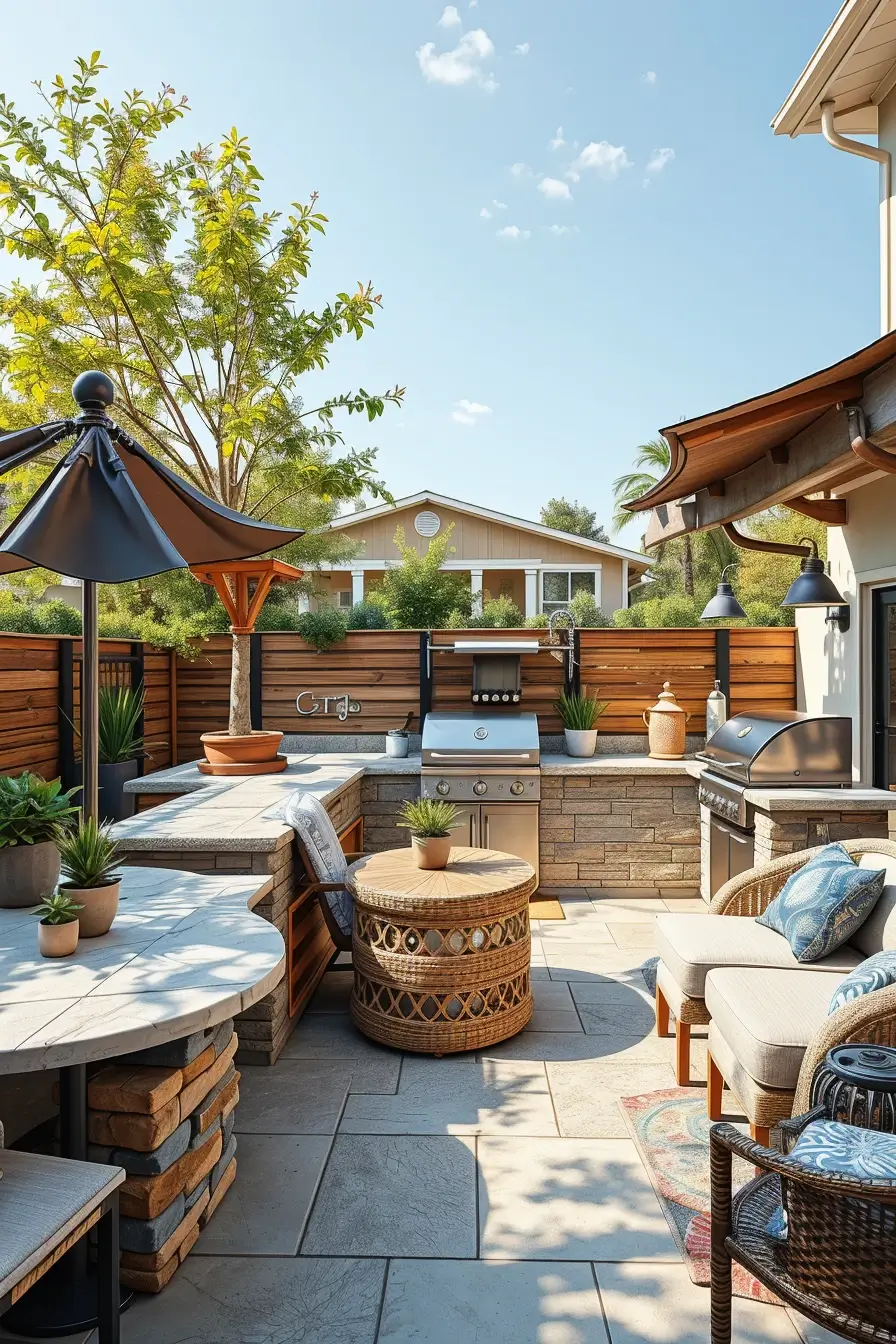
I usually recommend rounded-edge countertops, non-slip flooring, and durable surfaces that can handle frequent use. Comfortable lounge seating, low tables, and shaded zones allow family members to gather without crowding the grill. These choices ensure the outdoor cooking space remains functional while adapting to different age groups and daily routines.
From my experience, family-friendly grill areas are used far more often than formal outdoor kitchens. Experts from Better Homes & Gardens often stress that flexibility is key in family outdoor spaces, and I’ve seen how layouts that support both play and cooking quickly become household favorites.
To improve this type of setup, I would always add storage for outdoor games, kid-friendly seating options, and soft lighting that keeps the area safe and welcoming in the evening.
17. Outdoor Grill Areas With Statement Lighting Features
Lighting plays a defining role in shaping a modern outdoor grill area, especially as entertaining increasingly extends into the evening. In 2026, I see statement lighting not just as a functional necessity, but as a design feature that visually anchors the entire space.
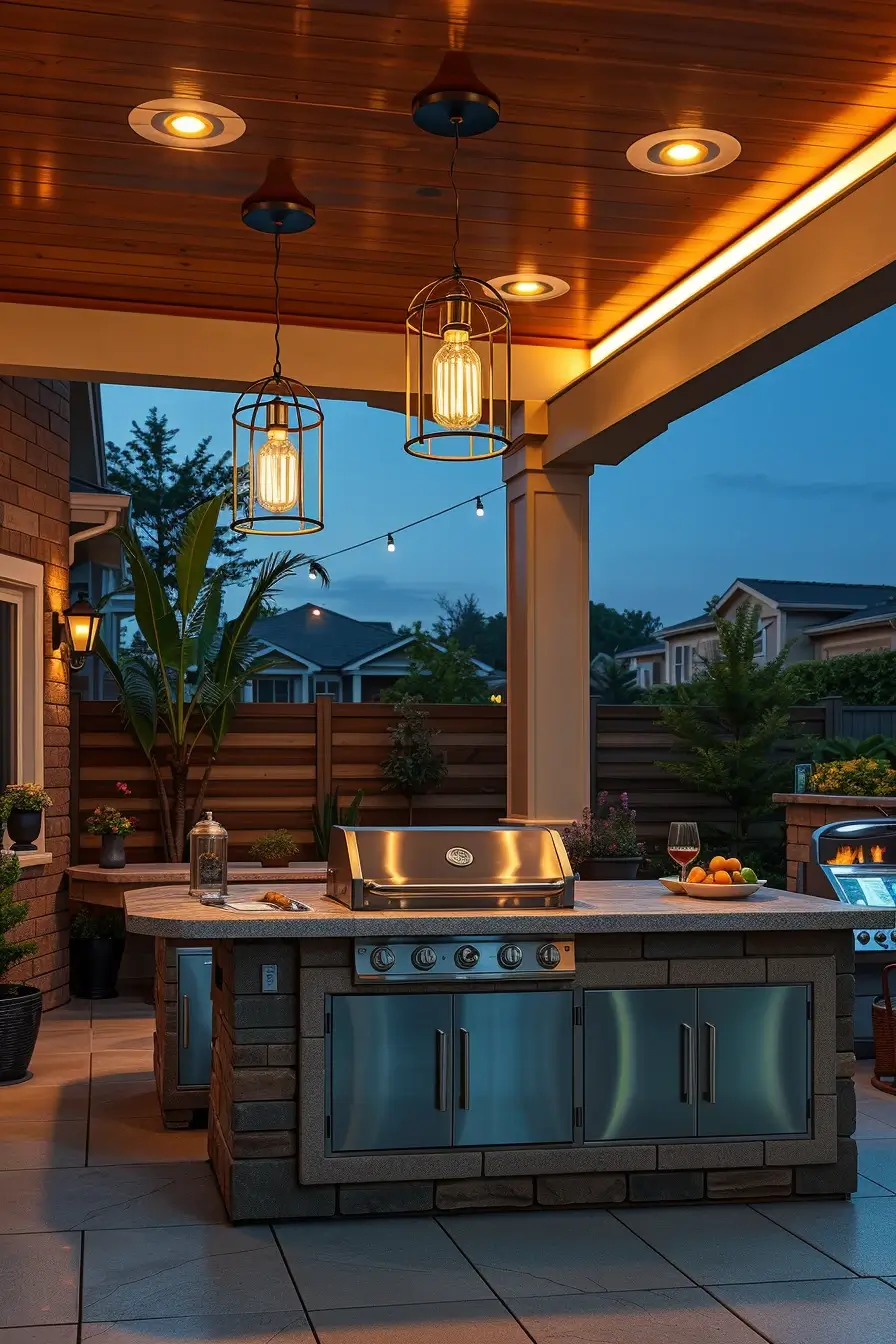
I often integrate pendant lights above prep counters, recessed lighting within grill islands, and accent lighting along pathways or seating walls. These elements highlight key zones while maintaining balanced illumination that supports cooking, dining, and relaxation.
Personally, I’ve noticed that well-designed lighting dramatically changes how clients perceive their outdoor grill areas. Designers frequently featured in Architectural Digest emphasize layered lighting for outdoor spaces, and I apply this approach to create depth without overwhelming the design.
What I would still add is smart lighting control, allowing users to adjust brightness and mood depending on the occasion, which significantly increases usability and long-term satisfaction.
18. Outdoor Grill Area Ideas Inspired By Resort Living
Resort-inspired outdoor grill area ideas 2026 focus on relaxation, openness, and effortless luxury. When I work with this concept, I aim to recreate the feeling of a high-end outdoor lounge where cooking feels secondary to the overall experience.
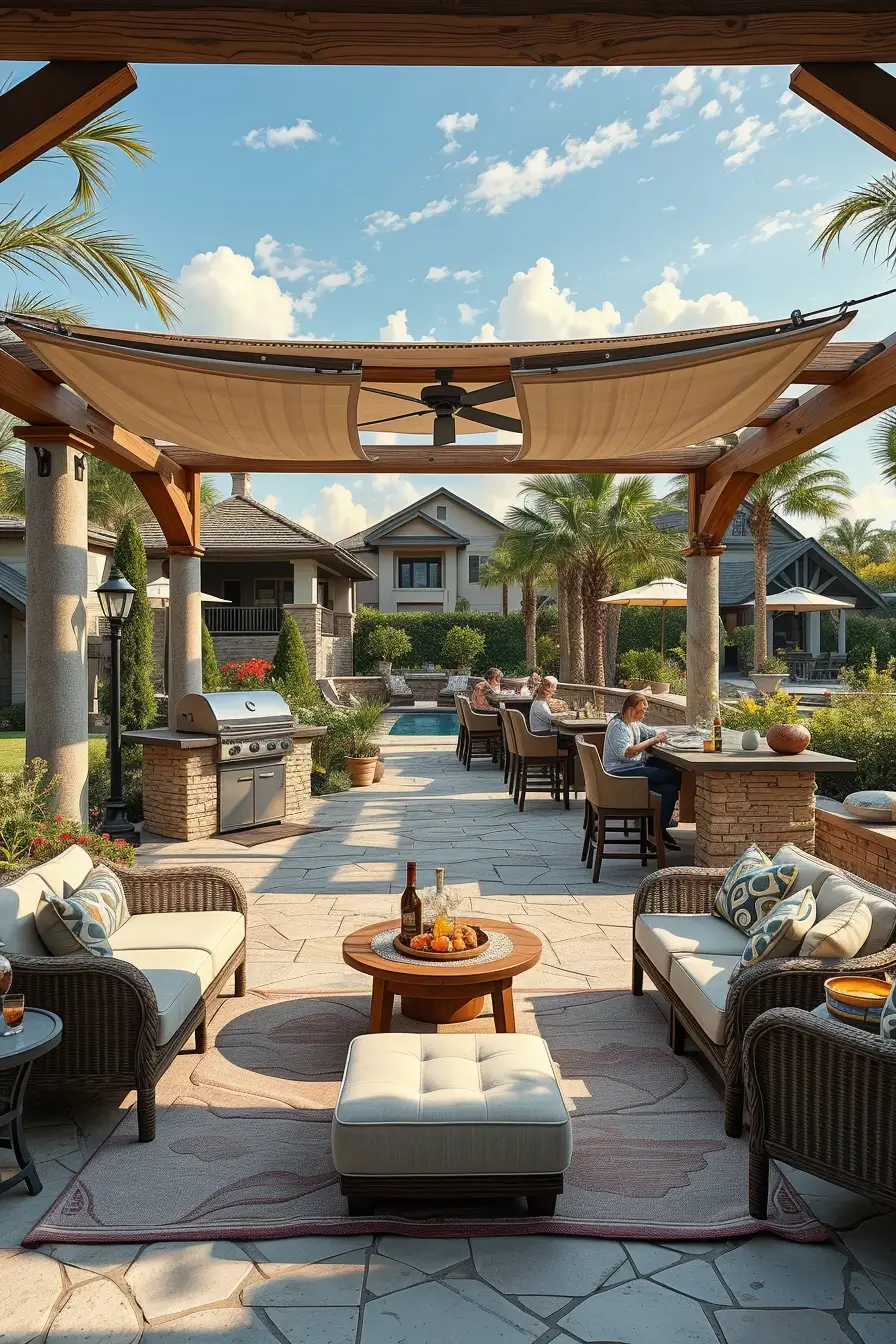
I typically include wide countertops, comfortable upholstered seating, bar-style dining areas, and natural materials like stone or wood. These elements work together to create a space that feels calm, inviting, and visually expansive, even in a residential backyard.
From my professional perspective, resort-inspired grill areas encourage slower, more social gatherings. Publications like Elle Decor often highlight how hospitality-inspired layouts influence residential design, and I’ve seen firsthand how this approach elevates everyday outdoor living.
To refine this concept further, I would add soft textiles, outdoor rugs, and subtle water or greenery features to enhance the sensory experience without distracting from the grill zone.
19. Outdoor Grill Areas With Modular And Flexible Layouts
Flexibility is a defining trend in outdoor grill area ideas 2026, and modular layouts are leading the way. I design these spaces to evolve over time, allowing homeowners to rearrange or expand their outdoor cooking space as needs change.
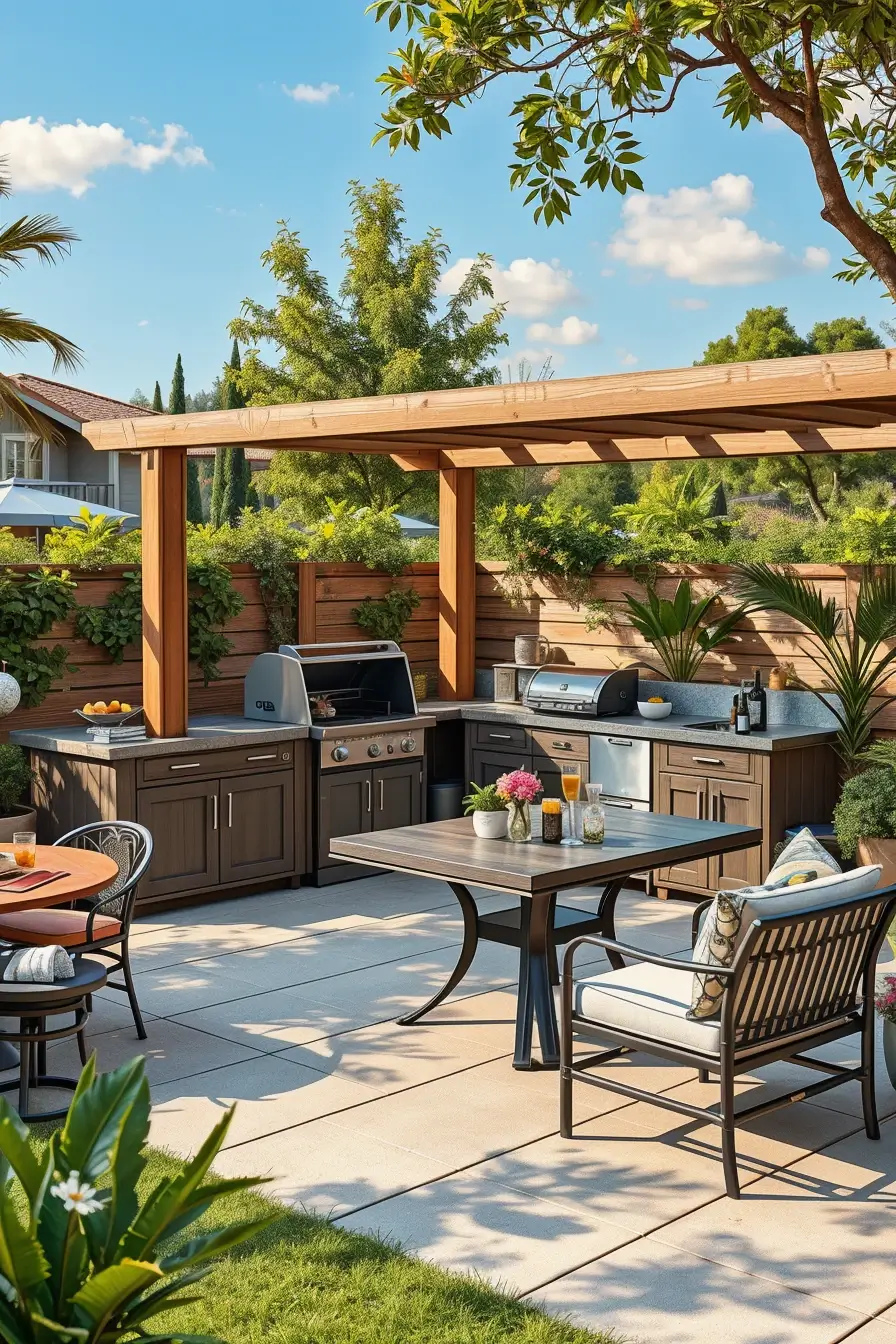
I usually recommend modular grill islands, movable prep tables, and lightweight yet durable furniture. These components allow the layout to adapt for large gatherings, intimate dinners, or everyday use without requiring permanent changes.
In my experience, modular designs are especially appealing to homeowners who value versatility. Outdoor living experts from HGTV often point out that flexibility extends the lifespan of outdoor spaces, and I fully agree based on real-world results.
What I would enhance in these layouts is integrated utility access, such as concealed power or gas connections, ensuring flexibility doesn’t compromise functionality or safety.
20. Budget-Friendly Outdoor Grill Area Ideas For 2026
Creating stylish outdoor grill areas doesn’t have to involve high-end materials or large investments. In 2026, I see budget-friendly designs focusing on smart planning, durable basics, and visually cohesive layouts rather than expensive features.
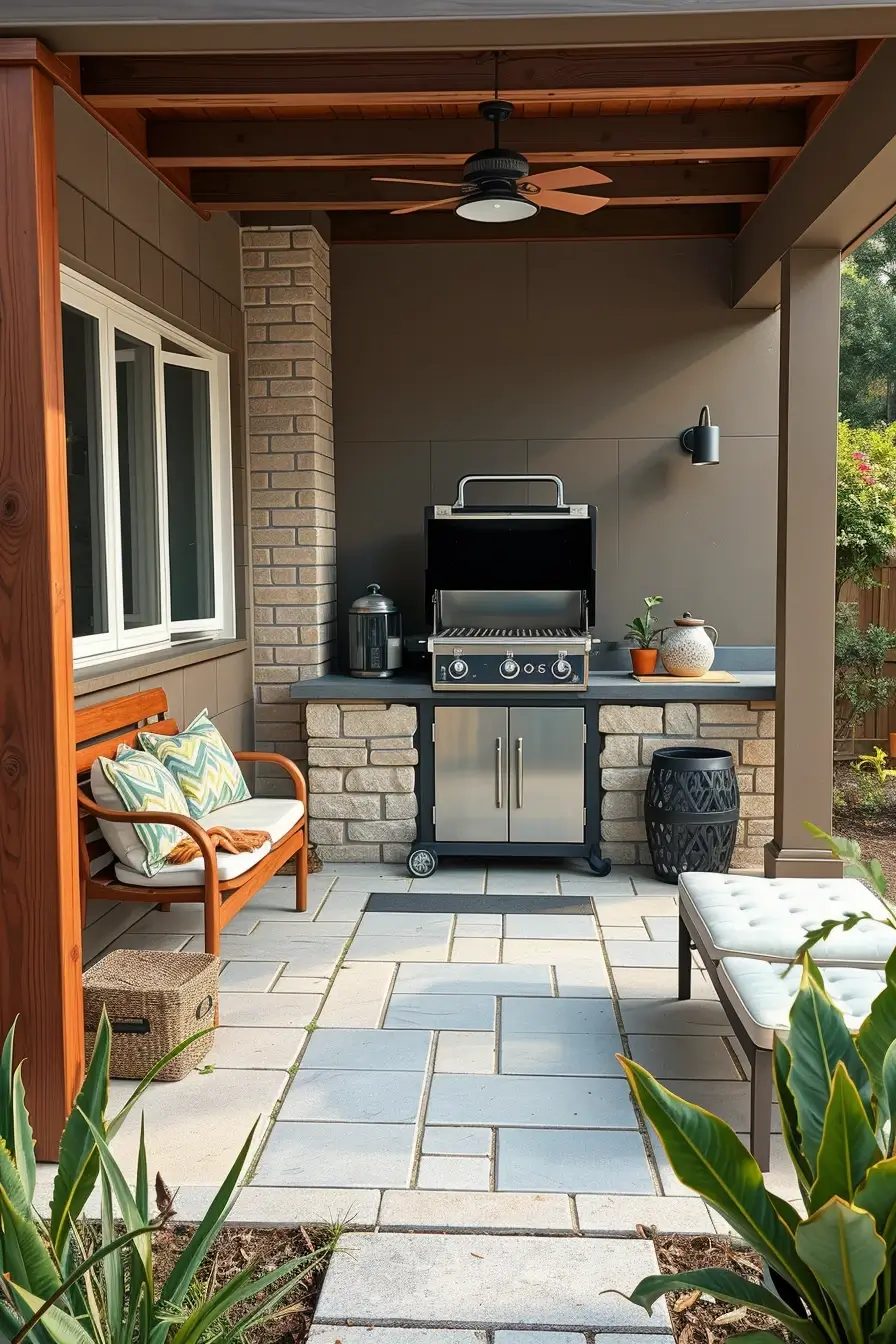
I often suggest compact grills, concrete pavers, prefabricated cabinets, and multi-use furniture that serves both seating and storage. These choices keep costs manageable while still delivering a clean and modern appearance.
From my own projects, I’ve learned that simplicity often leads to better results. Designers cited in Apartment Therapy frequently emphasize prioritizing layout over luxury finishes, and this approach consistently produces functional and attractive grill spaces.
To complete a budget-conscious setup, I would add affordable lighting solutions and weather-resistant accessories that enhance comfort without increasing long-term maintenance costs.
21. Outdoor Grill Areas With Outdoor Kitchens And Storage
I approach outdoor grill areas with full outdoor kitchens as an extension of the home rather than a seasonal add-on. In 2026, these spaces are designed to function year-round, with durable materials, integrated layouts, and weather-resistant finishes. I focus on layouts that allow smooth movement between cooking, prep, and serving zones, making outdoor meals efficient and enjoyable even during larger gatherings.
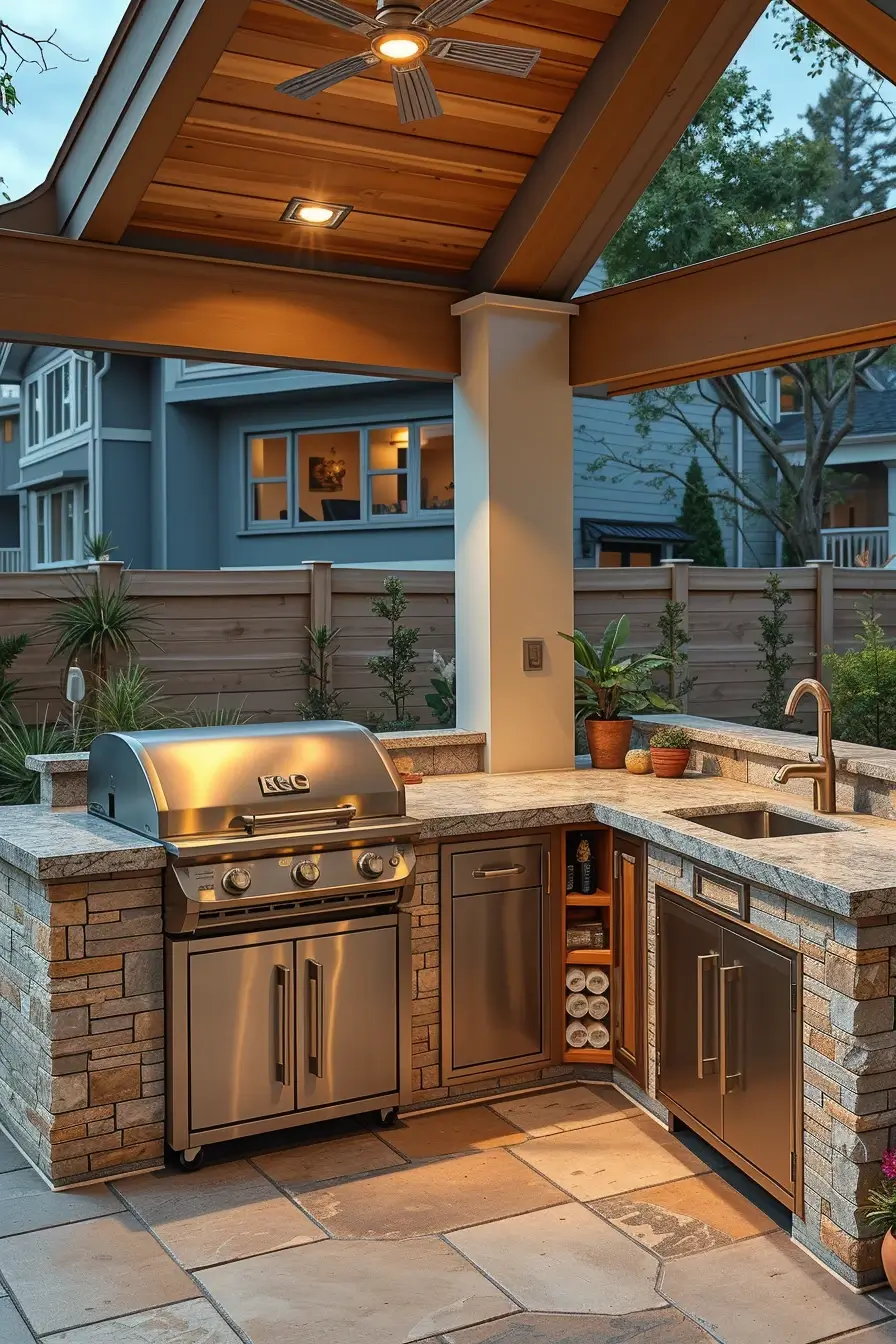
From my experience, built-in grills, prep counters, sinks, and closed storage cabinets are essential components. I always recommend including stainless steel or sealed composite cabinetry to protect utensils and cookware from moisture. Refrigerated drawers, trash pull-outs, and hidden spice storage keep the area visually clean while supporting serious cooking needs. Countertops made of porcelain slab or sealed stone perform well outdoors and elevate the overall design.
I personally favor outdoor kitchens that mirror indoor ergonomics. Designers featured in publications like Architectural Digest often emphasize that outdoor kitchens should follow the same workflow logic as indoor ones, and I fully agree. When everything has its place, cooking outdoors becomes intuitive rather than chaotic.
What is often missing in these setups is adequate task lighting and electrical planning. I always advise adding under-counter lighting and discreet outlets early in the design process to avoid costly retrofits later.
22. Outdoor Grill Area Ideas For Urban And Rooftop Spaces
Designing grill areas for urban patios or rooftops requires a different mindset. I prioritize compact layouts that maximize functionality without overwhelming limited square footage. In 2026, urban outdoor grill areas focus on modular solutions that adapt to space constraints while maintaining a polished, modern look.
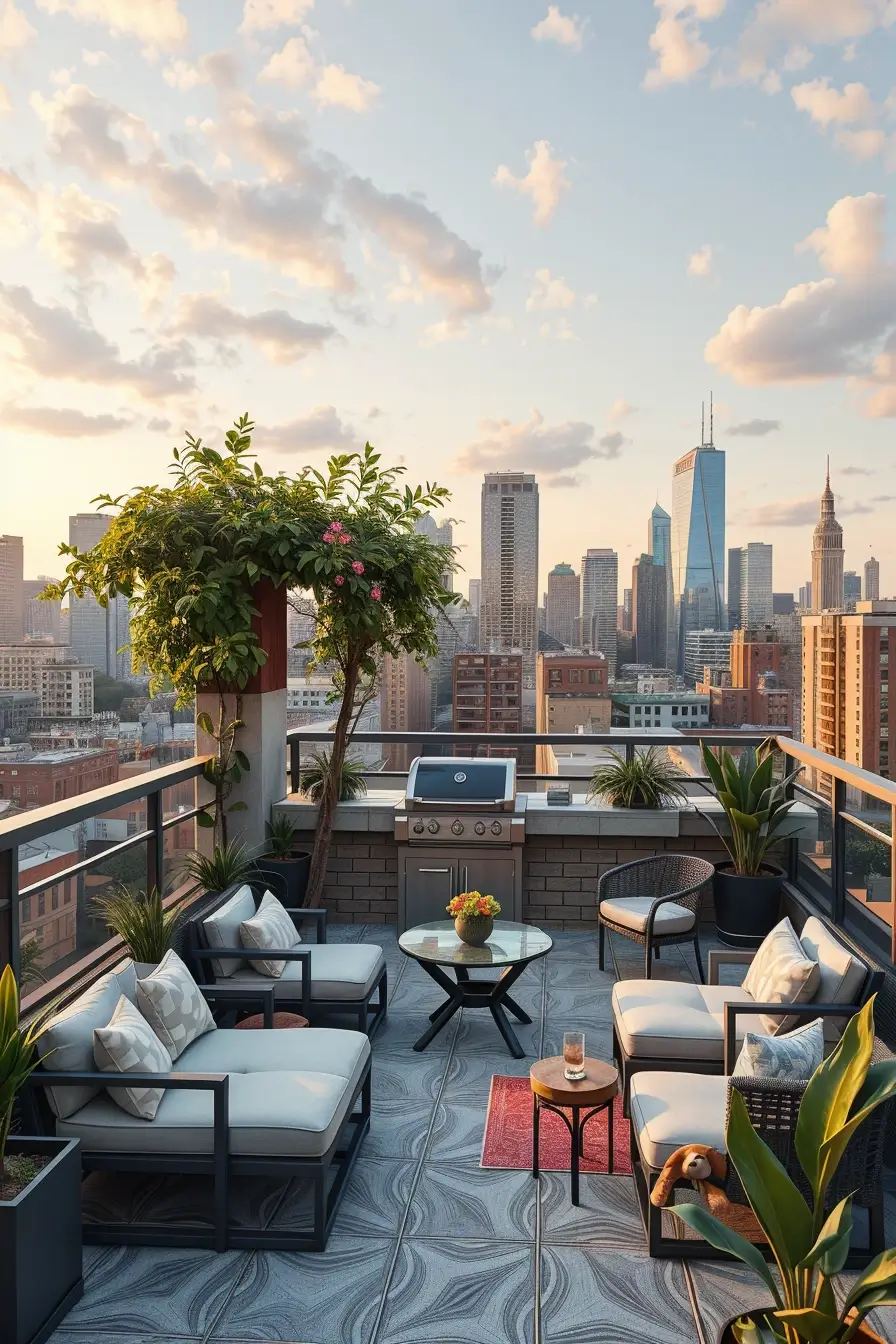
I typically select slim-profile grills, fold-down prep surfaces, and built-in bench seating with hidden storage. Lightweight concrete or metal furniture works well structurally on rooftops, while vertical planters help soften the space without taking up valuable floor area. Wind screens and glass railings provide safety and comfort without blocking views.
From my perspective, successful urban grill spaces depend on zoning. Separating cooking from seating, even visually, helps the space feel larger. Designers in Dwell magazine often highlight visual openness as a key factor in small outdoor environments, and I’ve seen firsthand how effective this approach can be.
One element that is frequently overlooked is sound control. I recommend incorporating soft materials like outdoor rugs or upholstered seating to reduce echo and make conversations more comfortable in dense urban settings.
23. Outdoor Grill Areas Designed Around Social Cooking
Social cooking is a defining trend for outdoor grill area ideas 2026, and I intentionally design these spaces to bring people together around the cooking process. Instead of isolating the grill, I position it as the centerpiece, encouraging interaction rather than separation between the cook and guests.
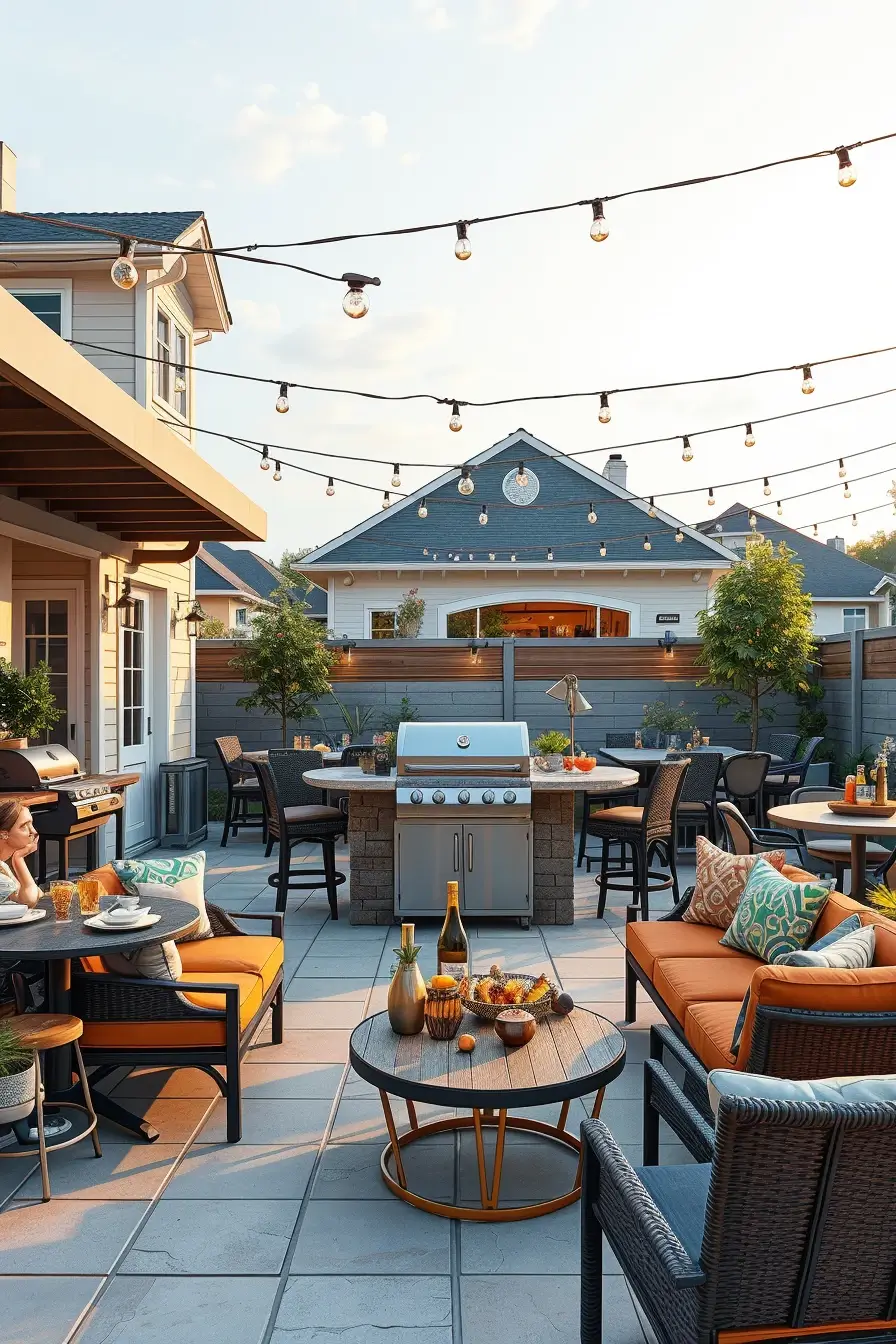
I often include wide counter seating, bar-height tables, and movable stools that allow guests to gather comfortably without obstructing workflow. Shared surfaces for plating, serving, or even casual prep invite participation. Materials like wood-look porcelain and warm-toned metals help create an inviting, less utilitarian atmosphere.
In my experience, homeowners appreciate grill areas that feel inclusive. Many designers referenced by Better Homes and Gardens note that outdoor entertaining works best when guests can naturally engage with the cook. I’ve found that even simple changes, like rotating the grill orientation, can dramatically improve social flow.
What can elevate these spaces further is integrated audio and ambient lighting. I recommend subtle speakers and dimmable lighting to support long, relaxed evenings without overpowering conversation.
24. Outdoor Grill Area Color Trends For 2026
Color plays a significant role in defining modern outdoor grill spaces, and in 2026 I see a clear move toward grounded, architectural palettes. I lean toward warm neutrals, muted greens, clay tones, and soft charcoals that blend seamlessly with outdoor environments.
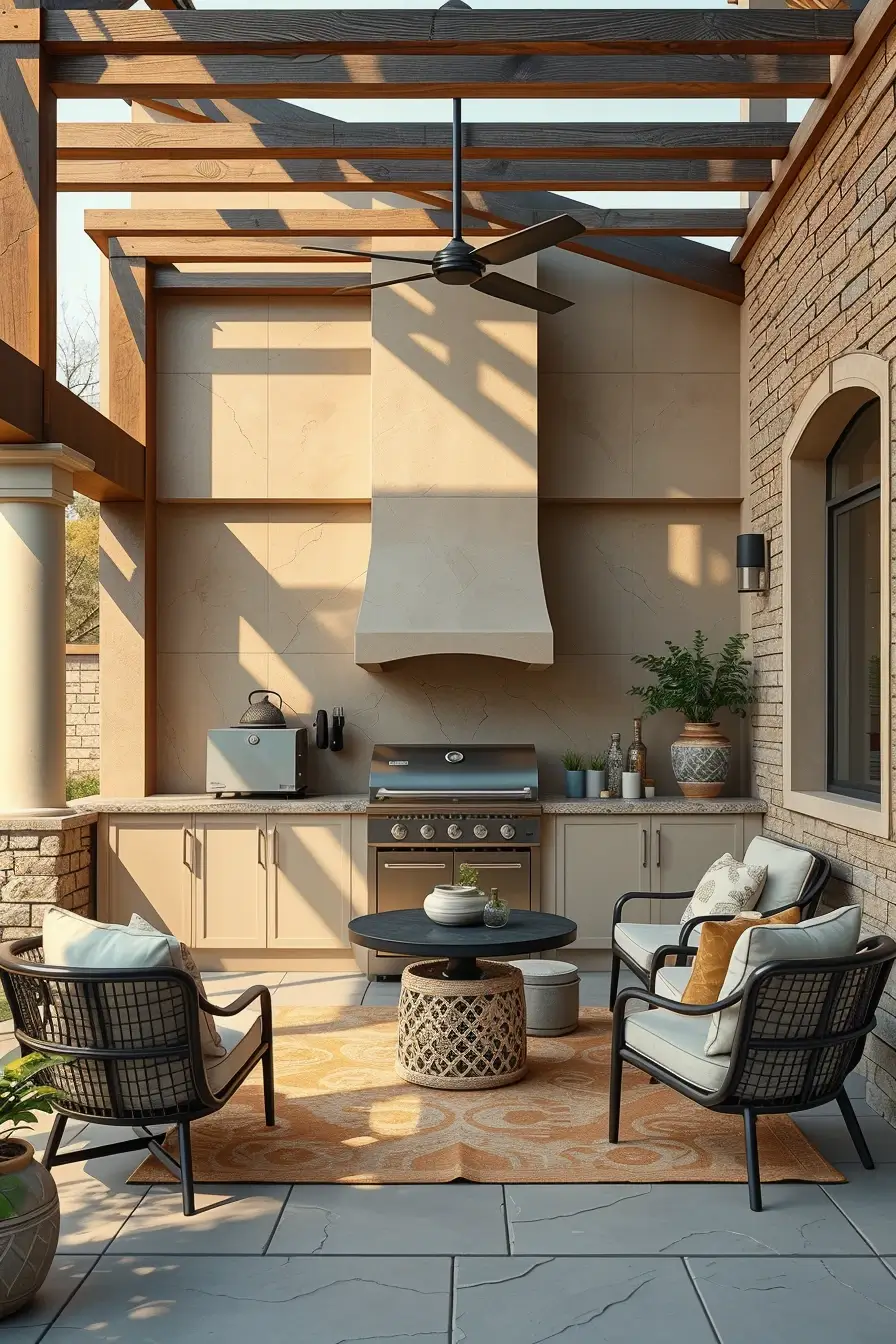
When selecting finishes, I balance aesthetics with durability. Matte-finish cabinetry resists glare, while textured stone and concrete surfaces add depth without visual noise. Furniture fabrics in earthy tones hide wear and maintain a refined appearance over time.
Personally, I’ve found that restrained color schemes age better outdoors. Designers from Elle Decor often stress timelessness in exterior palettes, and I apply that principle by avoiding overly trendy colors that may feel dated quickly.
What is sometimes missing is contrast. I usually introduce it through lighting fixtures, metal accents, or a darker countertop to prevent the space from feeling flat.
25. Outdoor Grill Areas With Modern Pergolas And Shade Structures
Shade structures are essential for comfort, and in 2026 I see pergolas becoming integral to outdoor grill design rather than optional additions. I design these structures to frame the grill area visually while offering protection from sun and light rain.
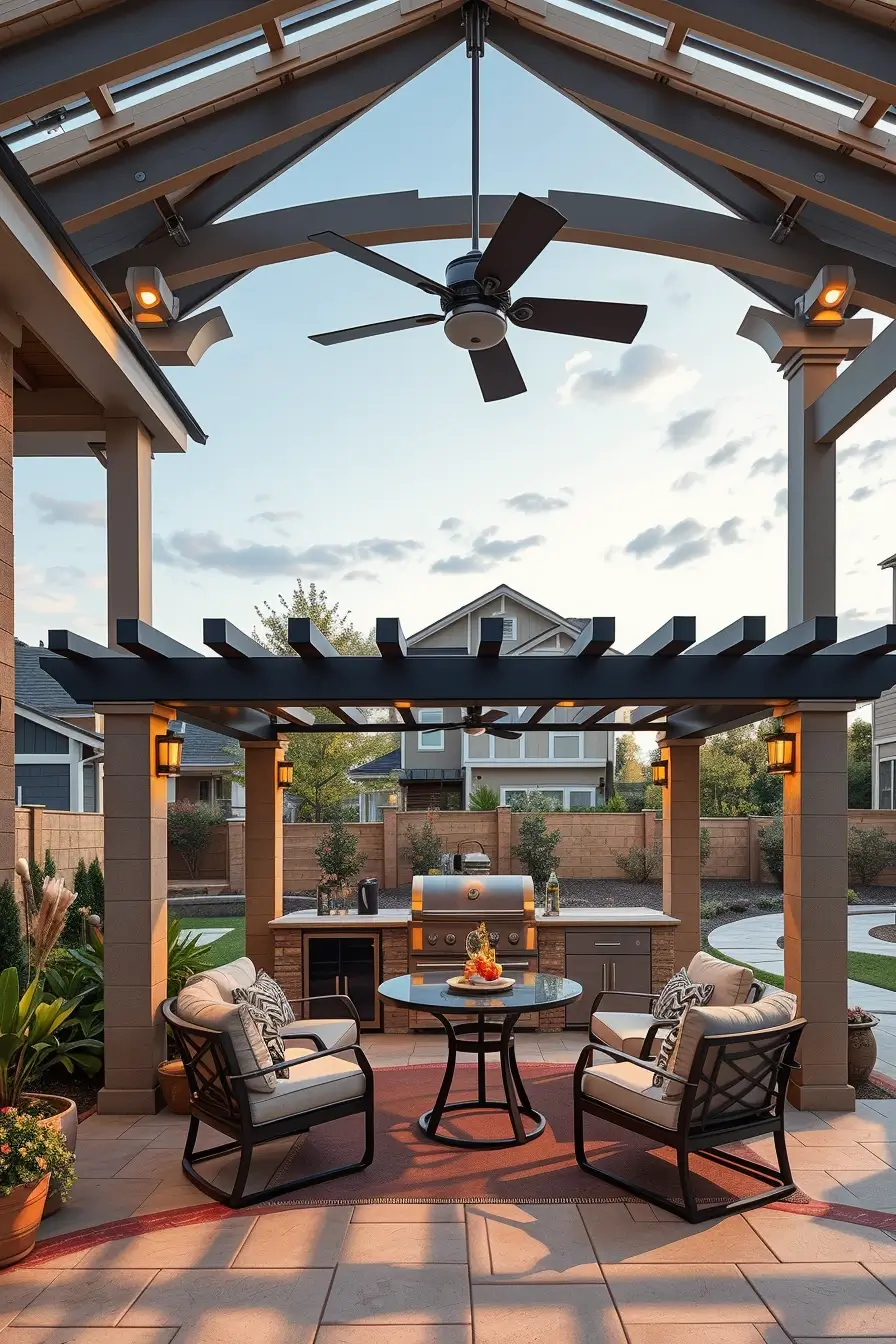
I often use aluminum or steel pergolas with adjustable louvers, paired with integrated lighting and ceiling fans. Retractable fabric panels or slatted roofs allow flexibility throughout the day. Furniture placement beneath the pergola creates a defined outdoor room that feels intentional and well-composed.
From my experience, pergolas significantly extend usability. Publications like House Beautiful frequently highlight the value of adaptable shade, and I’ve observed that clients use their grill areas far more often when comfort is prioritized.
What should be added more often is weather control. I recommend incorporating drop-down screens or outdoor curtains to manage wind and temperature changes without enclosing the space completely.
26. Outdoor Grill Area Ideas For Poolside Living
When I design outdoor grill areas for poolside settings, my priority is balancing leisure with practicality. In 2026, these spaces are planned as seamless transitions between swimming, lounging, and dining. I focus on layouts that keep cooking zones safely distanced from water while maintaining visual connection to the pool, allowing hosts to stay engaged with guests at all times.
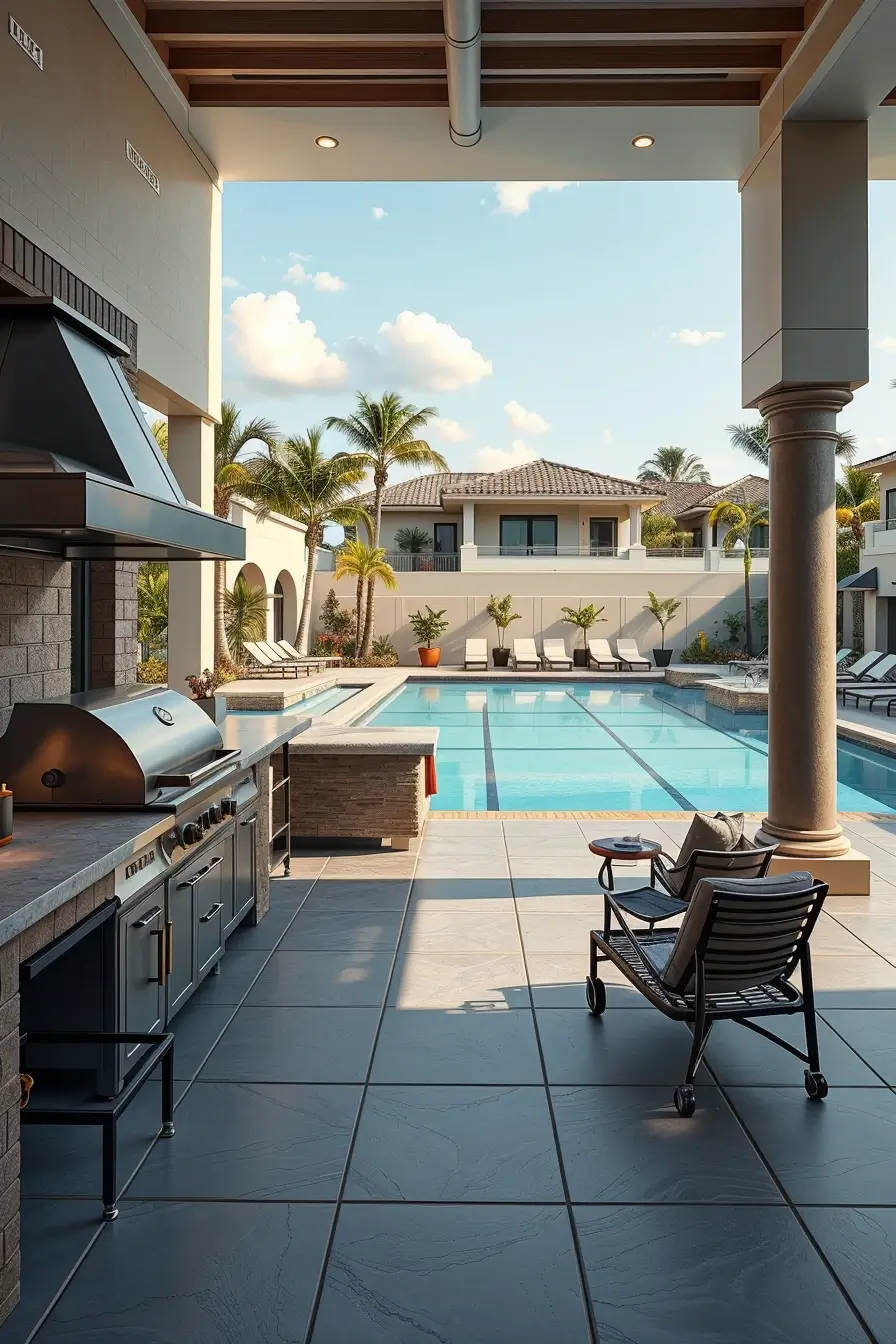
I usually specify slip-resistant flooring, moisture-resistant cabinetry, and corrosion-proof appliances for poolside grill areas. Built-in grills paired with compact prep counters work well, while bar seating facing the pool encourages relaxed dining. I also recommend chaise lounges, side tables, and towel storage nearby to support a fluid poolside experience without cluttering the cooking area.
From my experience, poolside grill areas perform best when they feel calm and uncluttered. Designers cited in Better Homes and Gardens often stress the importance of visual continuity around pools, and I follow this advice by keeping materials cohesive and color palettes restrained. This approach creates a resort-like atmosphere that feels intentional rather than improvised.
What is often missing in poolside grill designs is adequate shade and hydration support. I advise adding umbrellas, pergolas, or beverage stations to ensure comfort during extended outdoor use.
27. Outdoor Grill Areas With Built-In Fire Pits
Combining a grill area with a built-in fire pit adds warmth and functionality, especially for evening use. I approach these designs as multi-season outdoor rooms, where cooking and relaxation coexist comfortably. In 2026, fire pits are positioned to complement, not compete with, the grill area.
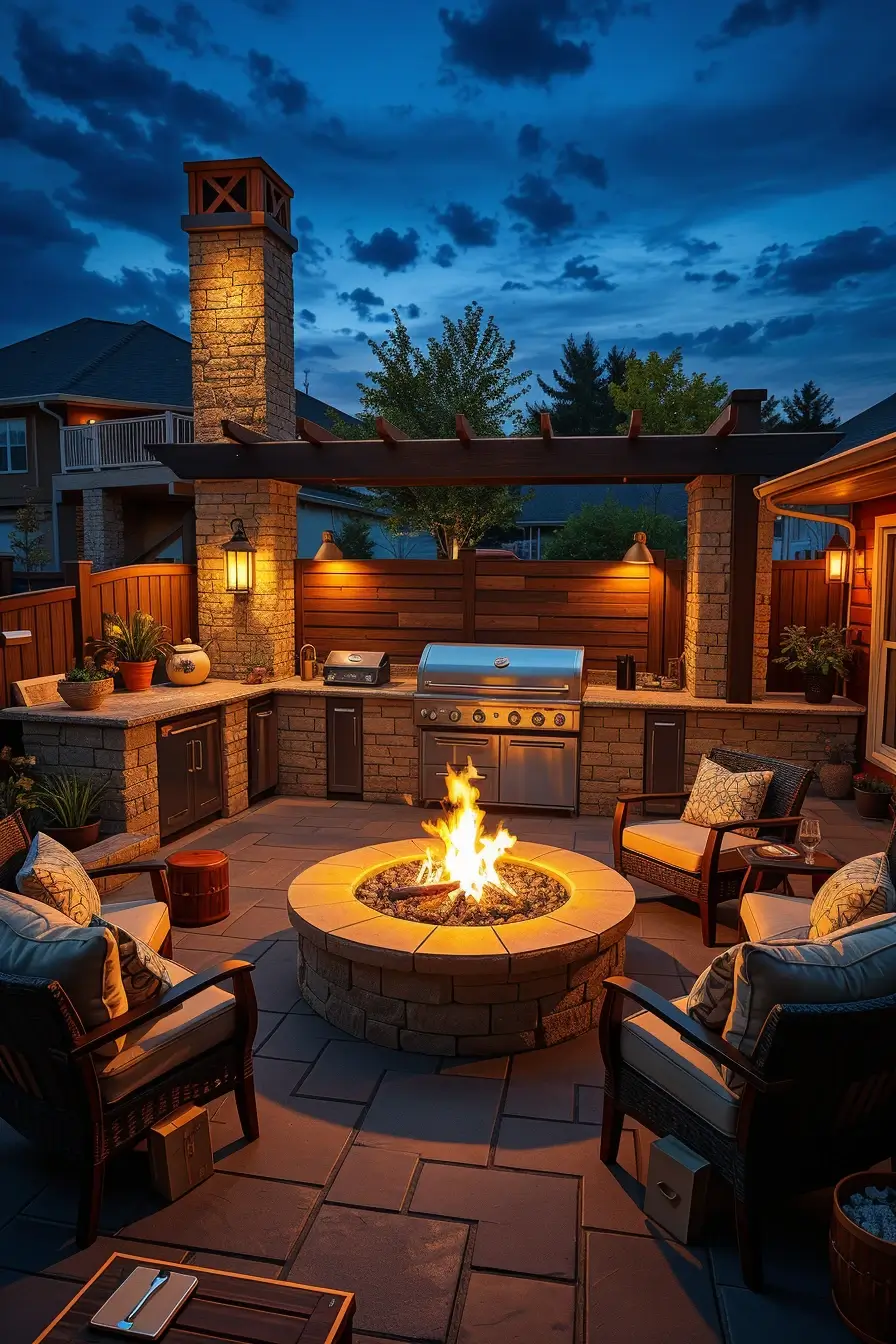
I typically integrate gas fire pits with surrounding seating, using stone or concrete materials that visually connect to the grill structure. Low-profile sofas, fire-resistant cushions, and durable side tables create a welcoming environment. The fire pit becomes a natural gathering point after meals, extending the usability of the space into cooler nights.
Personally, I find that fire elements dramatically improve how often outdoor grill areas are used. According to insights shared by House Beautiful, fire features increase outdoor living value by encouraging year-round engagement, and I’ve seen this consistently in real projects.
What can strengthen these designs further is thoughtful spacing. I always recommend maintaining safe clearances between open flames and cooking equipment while using lighting to visually link both zones.
28. Outdoor Grill Area Layout Ideas That Maximize Space
Efficient layouts are essential, especially as outdoor living areas become more multifunctional in 2026. I design grill areas with clear circulation paths, defined zones, and furniture placement that supports movement without interruption. Even larger spaces benefit from intentional layout planning.
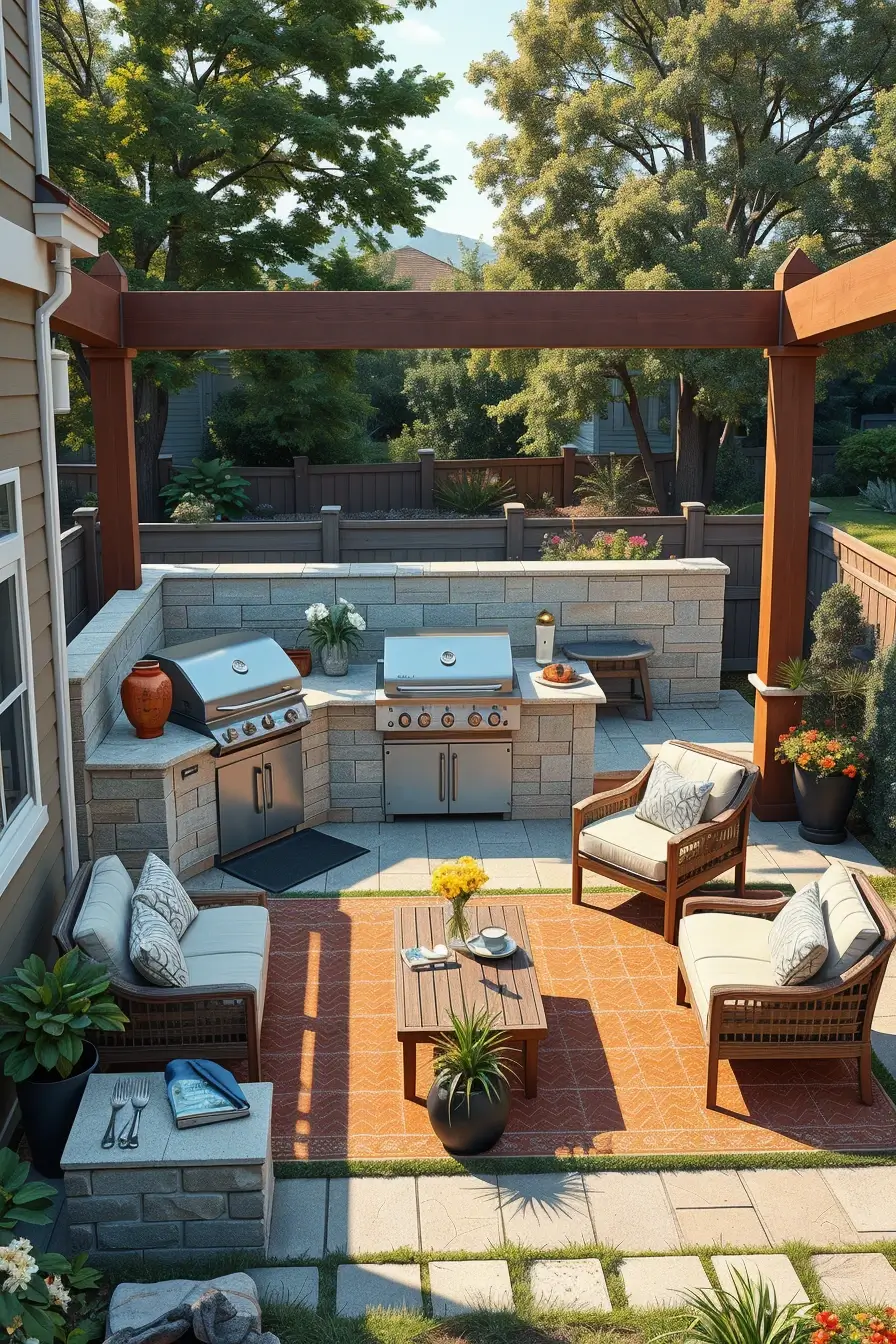
I often use L-shaped or linear grill configurations to free up seating areas. Built-in benches, corner seating, and multifunctional furniture help maximize usable space. Storage integrated into seating or counters reduces visual clutter and keeps essential tools within reach.
From my perspective, the best layouts feel effortless. Designers frequently featured in Architectural Digest emphasize that outdoor spaces should flow as naturally as indoor ones, and I apply that same logic by avoiding unnecessary obstacles and oversized elements.
One improvement that is often overlooked is flexibility. I recommend including movable furniture pieces so the space can adapt to different group sizes and occasions without redesign.
29. Future-Focused Outdoor Grill Area Ideas For Modern Lifestyles
Looking ahead, outdoor grill area ideas 2026 increasingly reflect modern lifestyles centered on flexibility, technology, and sustainability. I design these spaces to adapt to changing needs, whether that means hosting large gatherings or enjoying quiet family meals outdoors.
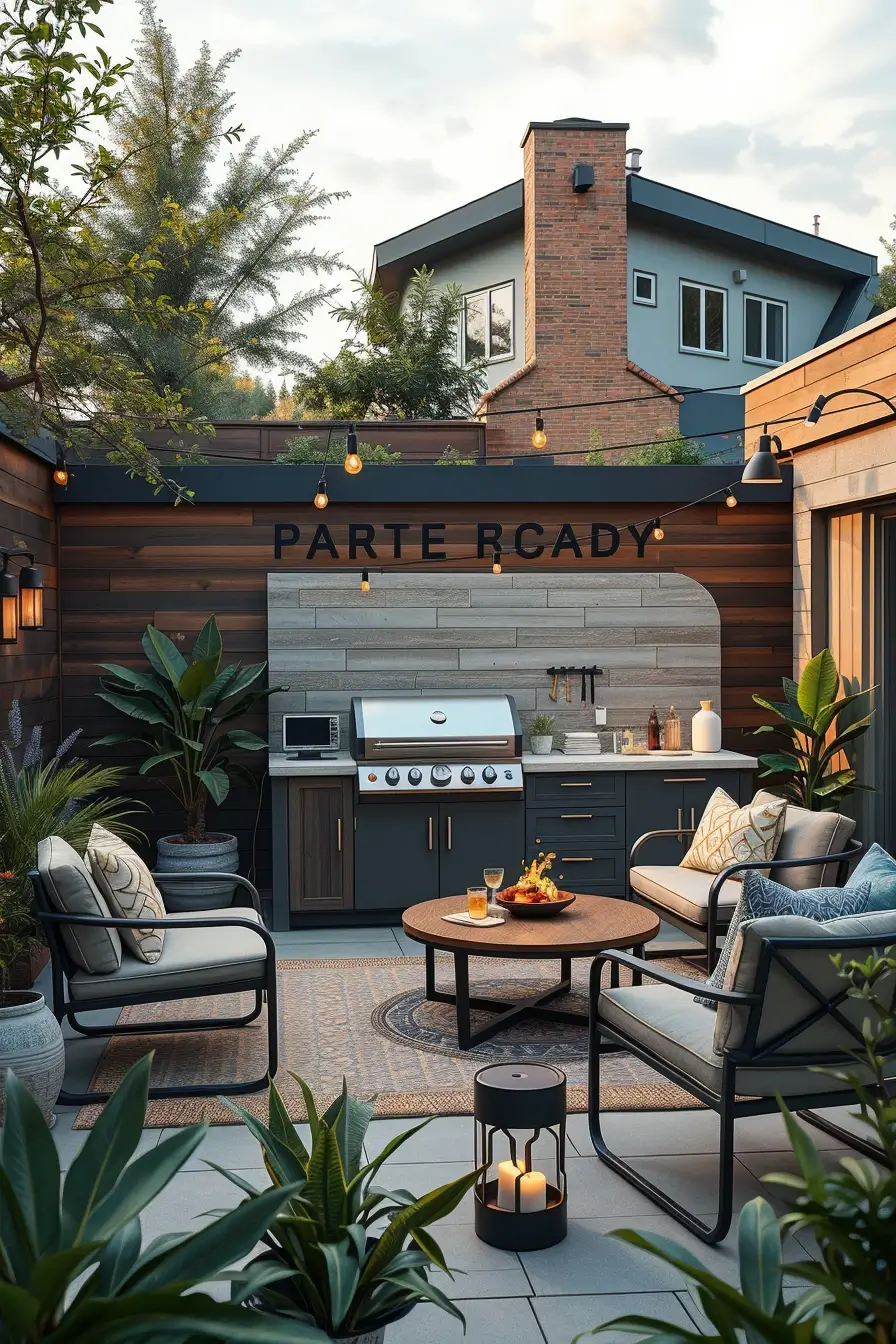
I incorporate smart grills, energy-efficient lighting, and weather-monitoring systems that enhance convenience without dominating the design. Modular furniture, integrated charging stations, and durable eco-conscious materials support long-term usability. These elements allow outdoor spaces to function as true extensions of the home.
In my professional opinion, future-focused grill areas succeed when technology remains subtle. Design experts from publications like Dezeen often highlight restraint as a key principle in modern outdoor design, and I align with that philosophy by prioritizing simplicity over novelty.
What should be added more often is long-term planning. I encourage designing infrastructure, such as electrical and gas lines, with future upgrades in mind to ensure the space remains relevant for years to come.
Outdoor grill area ideas for 2026 show how outdoor cooking spaces are becoming smarter, more comfortable, and more visually connected to the rest of the home. Whether you prefer a sleek modern setup, a flexible family-friendly layout, or a feature-rich entertaining zone, today’s grill areas are designed to adapt to different lifestyles and seasons. With the right planning, materials, and layout, an outdoor grill area can become one of the most used and enjoyable spaces in your home, offering a perfect balance of functionality, atmosphere, and long-term value.