Flower garden ideas for 2026 reflect a new vision of outdoor design where creativity, aesthetics, and thoughtful planning come together. Modern flower gardens are no longer just about planting blooms in neat rows — they are carefully composed spaces that feel artistic, expressive, and uniquely personal. From sculptural planting layouts and refined color palettes to innovative layouts that blur the line between nature and design, flower gardens in 2026 embrace a more intentional and contemporary approach.
This year’s trends focus on stylish, unusual, and designer-inspired gardens that highlight form, texture, and flow as much as color. Whether designed for expansive landscapes or compact outdoor areas, flower gardens are becoming immersive environments that evolve throughout the seasons. In this article, you’ll discover fresh flower garden ideas for 2026 that celebrate modern aesthetics, creative plant combinations, and forward-thinking design concepts — perfect for transforming any outdoor space into a distinctive and visually captivating garden.
1. Modern Flower Gardens That Blend Nature And Architecture
I approach this type of flower garden as an extension of the home’s architectural language. In 2026, modern flower gardens are no longer decorative add-ons but carefully planned outdoor rooms that echo clean lines, materials, and proportions of the house itself. I focus on structured planting beds, integrated pathways, and seamless transitions between indoor and outdoor zones to make the garden both practical and visually cohesive.
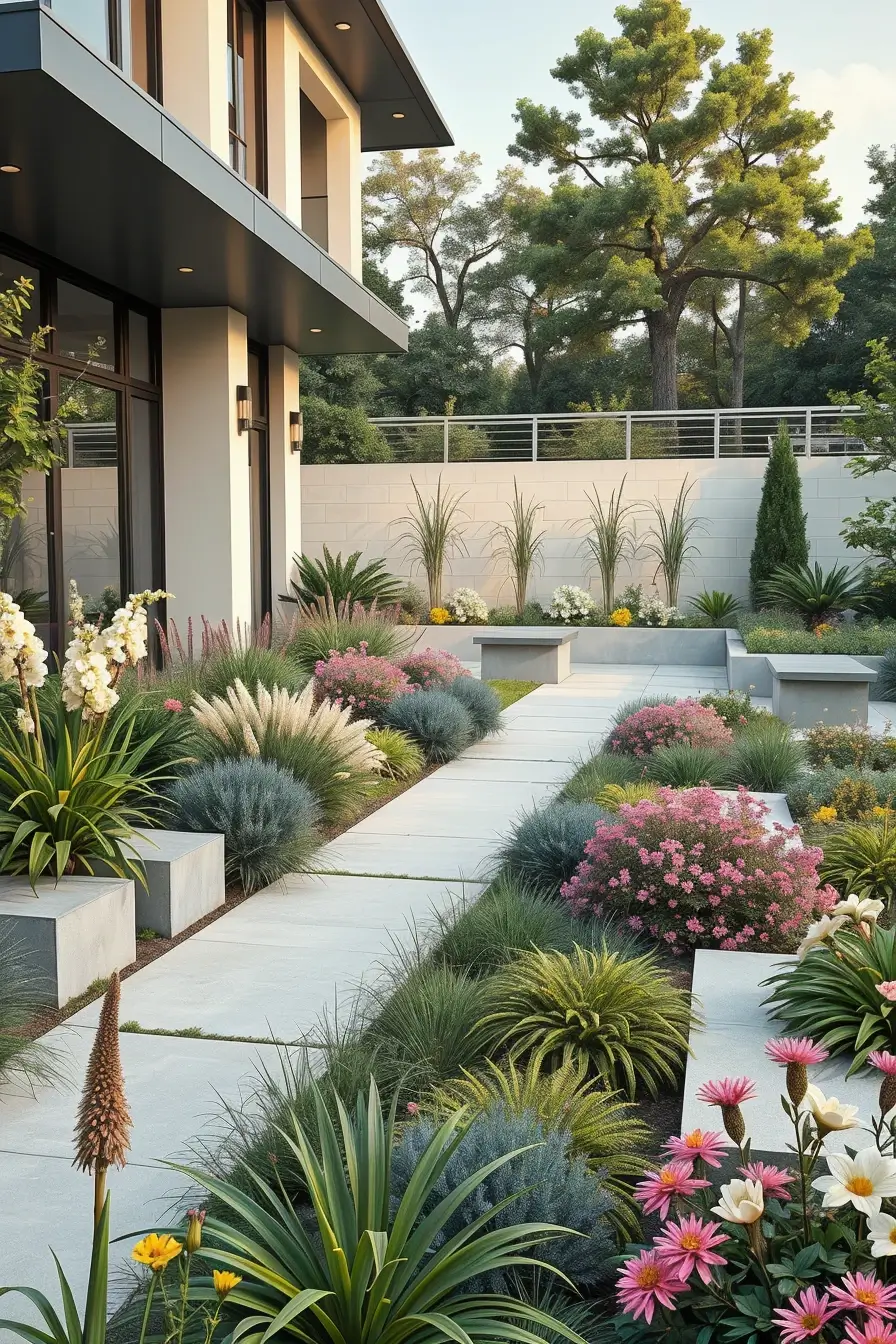
In these gardens, I consistently include architectural planters made of concrete or stone, built-in benches, and linear water features. Each element has a purpose: planters define space, seating encourages daily use, and hardscape materials provide year-round structure even when plants are not in bloom. I choose plant varieties with strong forms such as ornamental grasses, sculptural shrubs, and seasonal flowering perennials to maintain balance.
From my experience, architects and landscape designers increasingly emphasize harmony rather than contrast. Publications like Architectural Digest highlight how aligning garden geometry with building design improves property value and livability. I have found that homeowners appreciate gardens that feel intentional and calm rather than overly decorative.
What I would add to this section is layered lighting integrated into steps, walls, and planters. In my opinion, architectural lighting is essential to fully realize the concept and make the garden functional after sunset.
2. Designer Flower Gardens With Sculptural Plant Arrangements
When I design flower gardens with a sculptural focus, I treat plants as living art objects. These gardens prioritize form, silhouette, and spatial composition over dense planting. The result is a refined outdoor space that feels curated rather than crowded, aligning perfectly with designer aesthetics expected in Flower garden ideas 2026.
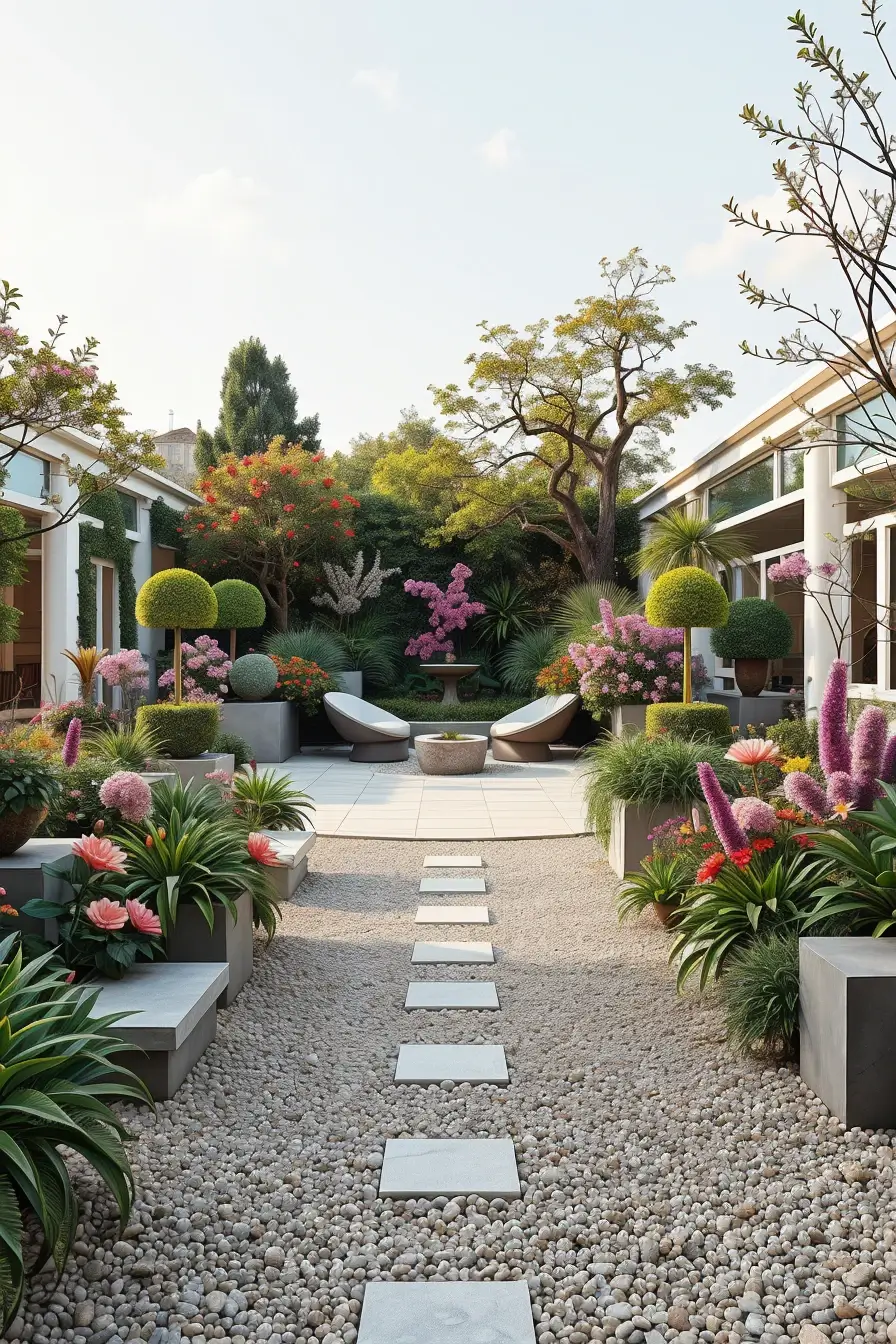
I deliberately select plants with architectural presence, such as topiary forms, flowering trees, and oversized blooms placed as focal points. Minimalist seating, stone plinths, and gravel surfaces support the visual hierarchy without competing for attention. Every element earns its place, reinforcing clarity and intention.
Personally, I see this approach gaining popularity due to its timeless appeal. Landscape designers featured in Dezeen often stress restraint and clarity, which I fully support. Sculptural gardens age gracefully and require less frequent redesign compared to trend-driven plantings.
To enhance this concept further, I would incorporate subtle art installations or stone sculptures that echo the plant forms. In my view, this strengthens the dialogue between nature and design without overwhelming the space.
3. Minimalist Flower Garden Ideas With Clean Lines And Balance
I design minimalist flower gardens to offer visual calm and functional clarity. In 2026, minimalism is less about emptiness and more about balance, proportion, and intentional negative space. These gardens work especially well in urban homes where outdoor areas must feel open and restorative.
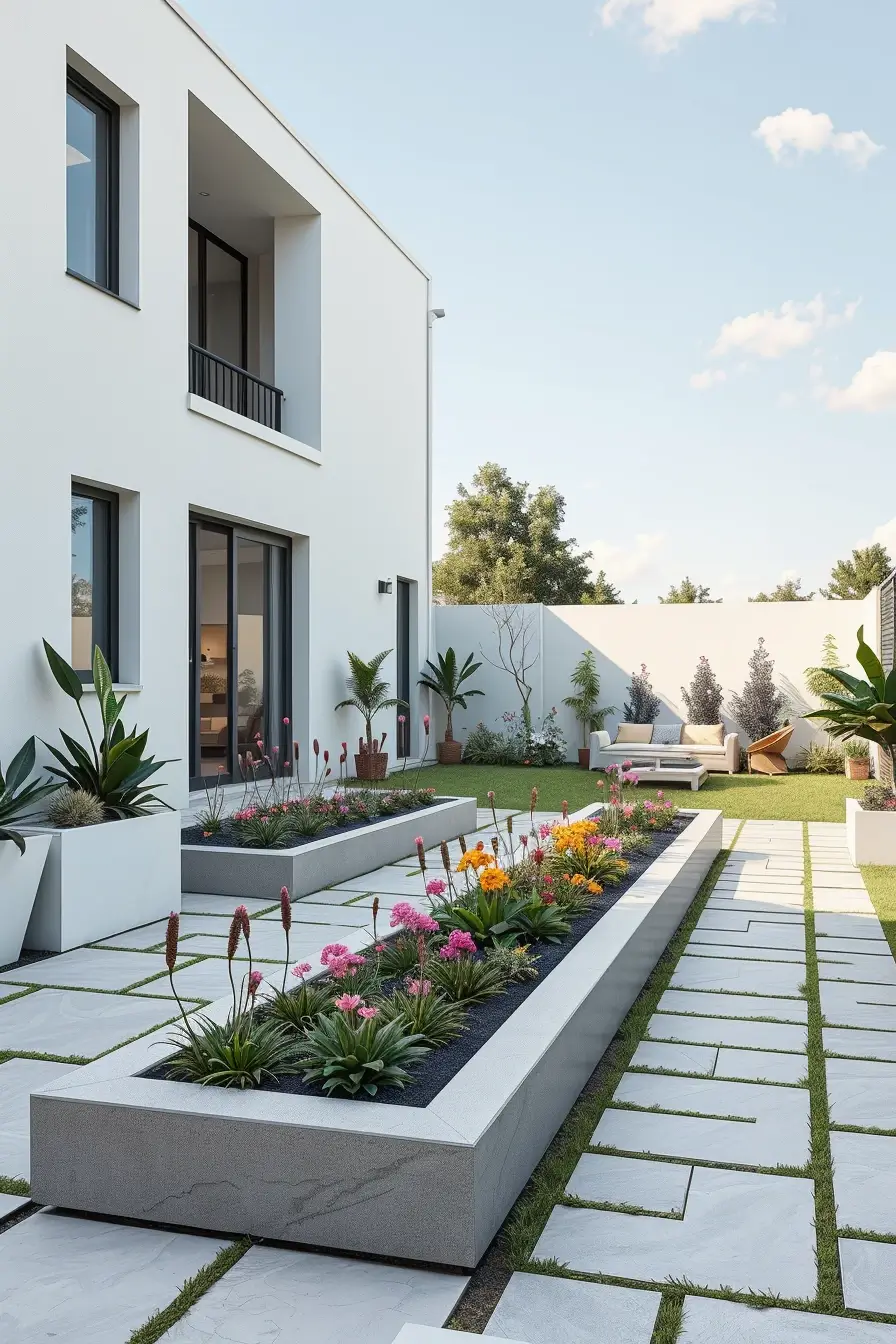
In my layouts, I use restrained color palettes, simple paving, and repetitive plant groupings. Low-profile seating, flush planters, and concealed edging maintain clean sightlines. Each plant is chosen for texture and seasonal interest rather than excessive color variation.
From my professional perspective, minimal gardens are easier to maintain and adapt over time. Experts from The New York Times Home section frequently note that simplicity reduces visual fatigue and supports long-term enjoyment. I find that clients appreciate gardens that feel effortless yet refined.
What is often missing in minimalist gardens is sensory detail. I recommend adding subtle fragrance plants or textured ground covers to engage more than just the visual sense while maintaining simplicity.
4. Futuristic Flower Gardens Inspired By Organic Geometry
Futuristic flower gardens in 2026 are deeply influenced by organic geometry rather than rigid symmetry. I design these spaces with flowing paths, curved planting beds, and layered elevations that mirror natural forms while still feeling innovative and modern.
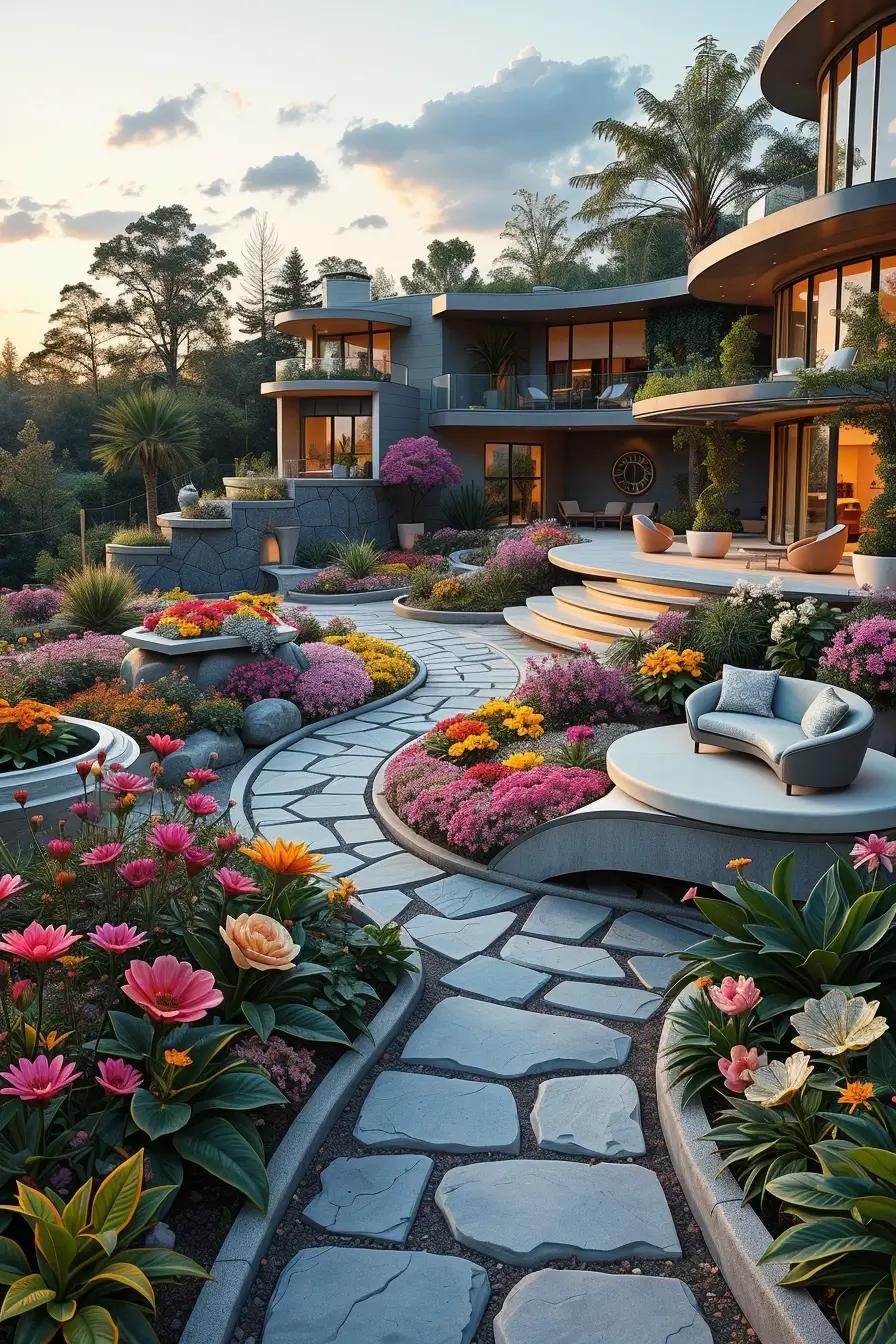
I incorporate custom planters, curved seating, and integrated technology such as smart irrigation and lighting systems. Plant choices often include bold foliage, gradient color transitions, and species that thrive in adaptive layouts. These elements support both aesthetics and functionality.
In my experience, futuristic gardens appeal to homeowners seeking something distinctive yet livable. Landscape architects featured in Design Milk emphasize biomorphic design as a way to humanize modern spaces, which aligns with my own approach.
To complete this style, I would add responsive lighting systems that adjust to movement or time of day. This enhances the futuristic feel while improving usability and safety.
5. Unique Flower Garden Concepts Using Unexpected Plant Pairings
I create unique flower gardens by challenging traditional plant combinations. In 2026, designers are increasingly pairing contrasting textures, bloom sizes, and growth habits to create dynamic visual interest without chaos.
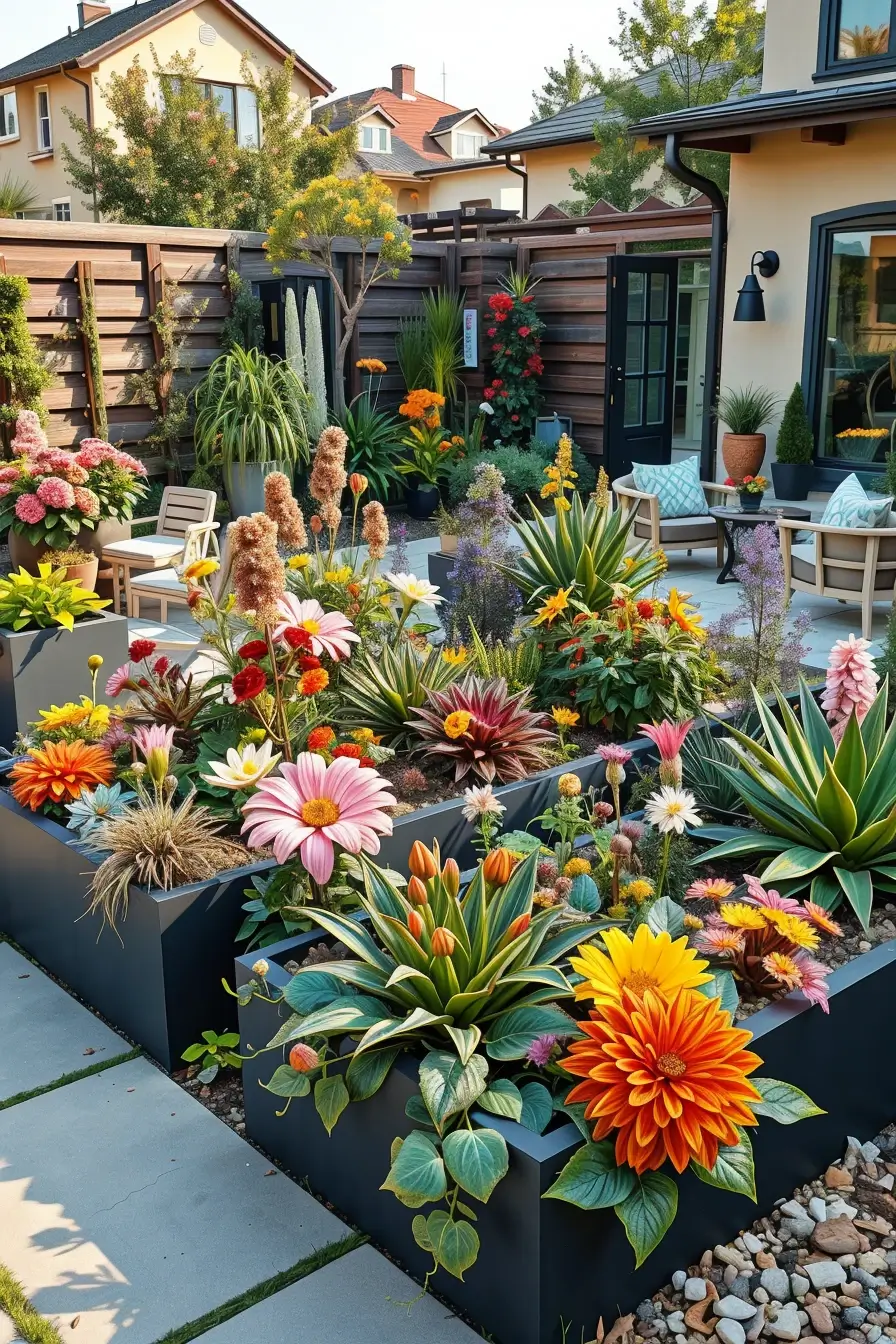
I intentionally mix structured plants with softer flowering varieties and unexpected color contrasts. Raised beds, modular seating, and flexible borders allow experimentation while maintaining control. These design choices make the garden adaptable and engaging throughout the seasons.
From my perspective, this approach reflects a broader trend toward personalization. Garden editors at Better Homes and Gardens often highlight that unconventional pairings can feel fresh without sacrificing harmony. I have seen how this method helps homeowners connect emotionally with their outdoor spaces.
What I would add here is a seasonal rotation plan. Thoughtful plant succession ensures that unexpected pairings remain intentional and visually balanced year-round.
6. Stylish Flower Gardens Designed For Contemporary Homes
When designing stylish flower gardens for contemporary homes, I prioritize coherence between interior design and outdoor spaces. In Flower garden ideas 2026, gardens often function as outdoor living rooms that mirror the home’s aesthetic.
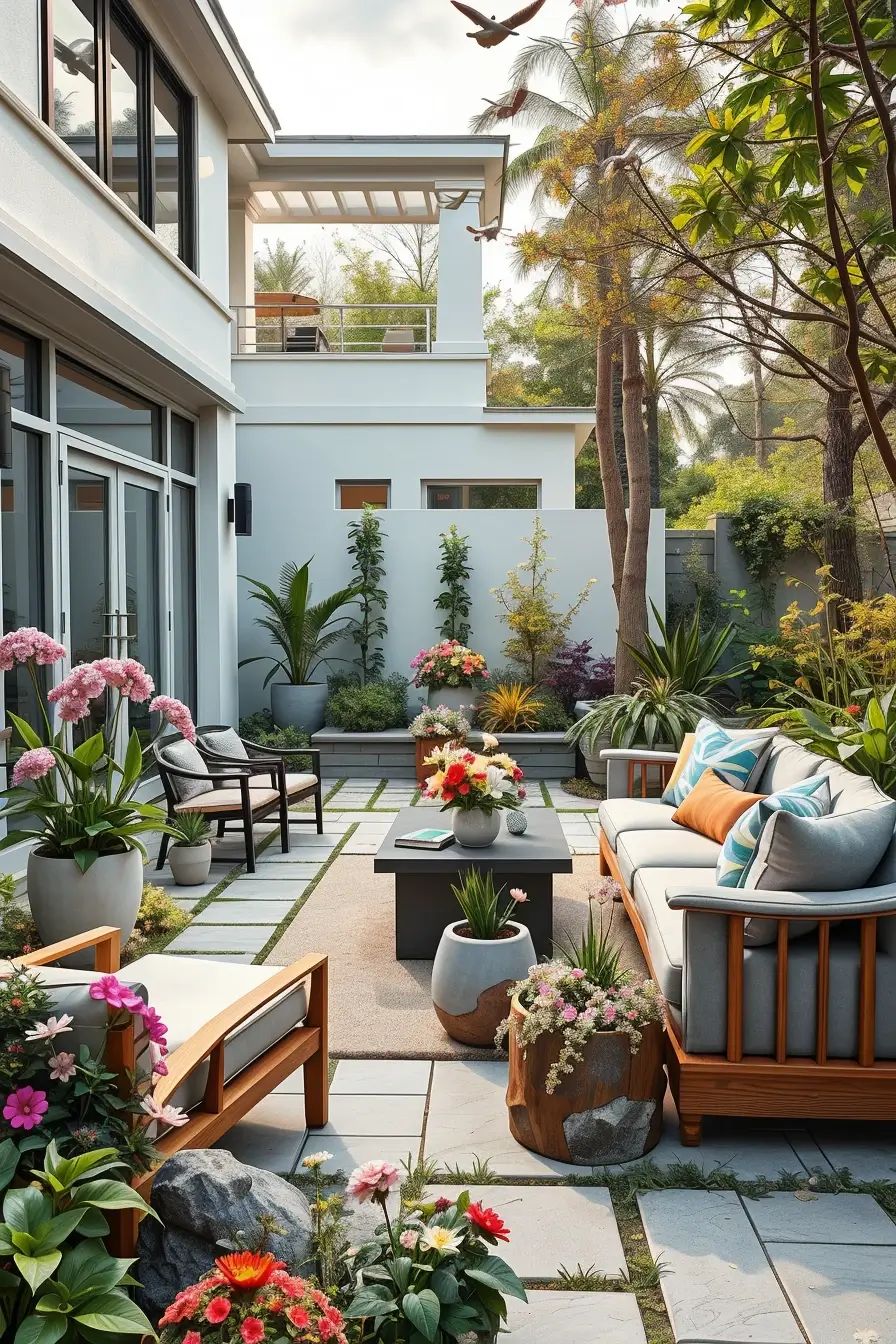
I include modern outdoor furniture, integrated planters, and cohesive color schemes that complement the home’s finishes. Materials such as metal, wood, and stone are selected for durability and visual continuity. Plants are chosen to soften architecture without overwhelming it.
I believe this approach enhances daily usability. Interior designers featured in Elle Decor frequently note that outdoor spaces should feel like a natural extension of indoor living. I consistently see increased satisfaction when gardens are designed with lifestyle in mind.
To elevate this section, I would introduce weather-resistant textiles and flexible seating arrangements. These additions improve comfort and allow the garden to adapt to different uses.
7. Artistic Flower Gardens That Feel Like Outdoor Galleries
I approach artistic flower gardens as curated experiences rather than traditional landscapes. In 2026, these gardens blur the line between art installation and functional outdoor space, creating immersive environments.
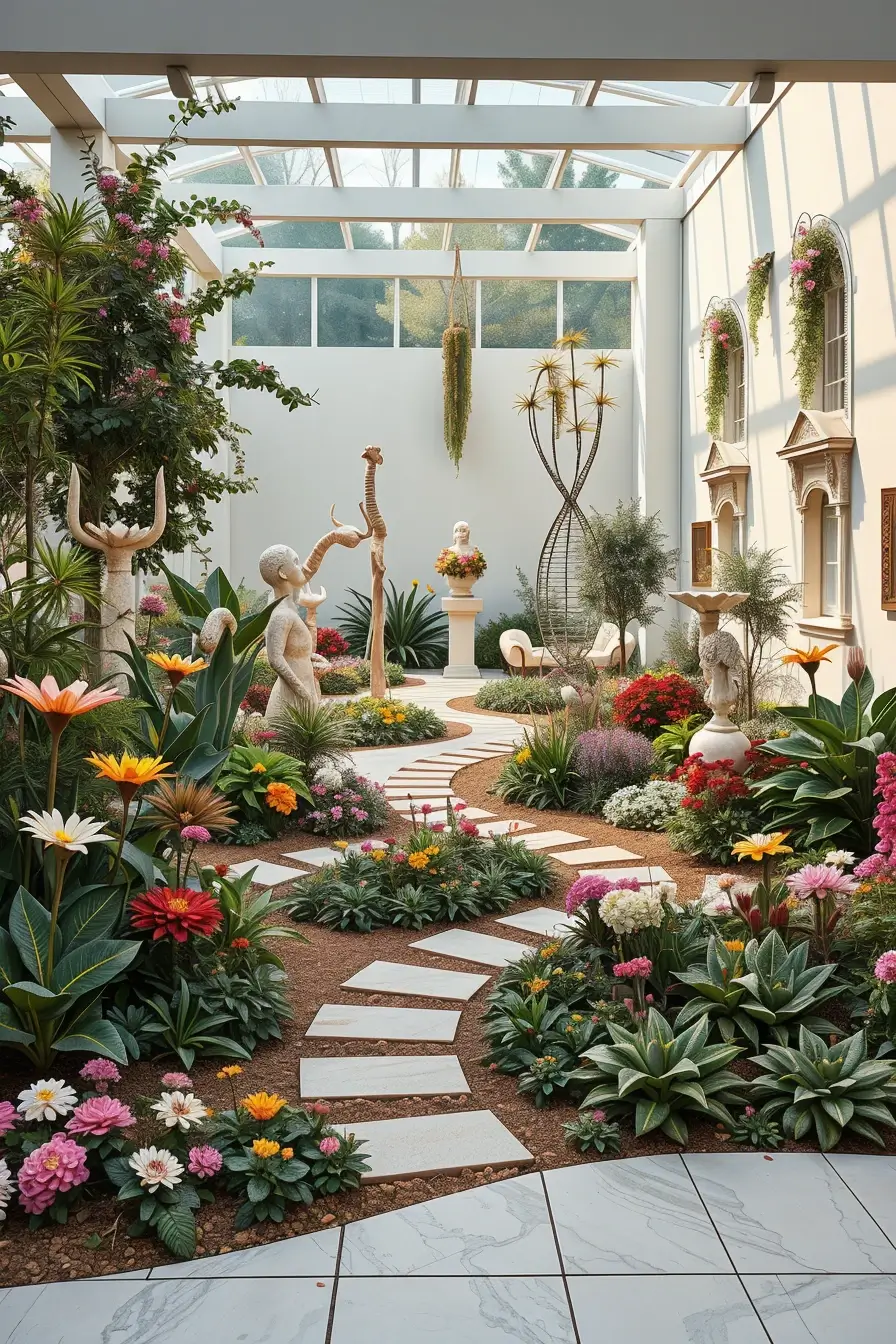
I use defined pathways, focal plantings, and intentional sightlines to guide movement. Sculptural seating, framed views, and controlled plant palettes support the gallery-like atmosphere. Each element contributes to storytelling and spatial rhythm.
From my experience, artistic gardens resonate with homeowners who value creativity and expression. Landscape features in Dwell magazine often highlight gardens as emotional spaces, which aligns with my belief that gardens should evoke feeling as well as beauty.
To complete this concept, I would add interpretive lighting and subtle signage or markers. These elements enhance the gallery feel and encourage visitors to slow down and observe.
8. Layered Flower Garden Designs With Depth And Visual Movement
When I design layered flower gardens, my main goal is to create depth and a sense of movement that changes as you walk through the space. In Flower garden ideas 2026, layering is essential for making gardens feel immersive rather than flat. I carefully arrange plants at varying heights and distances to guide the eye naturally across the landscape.
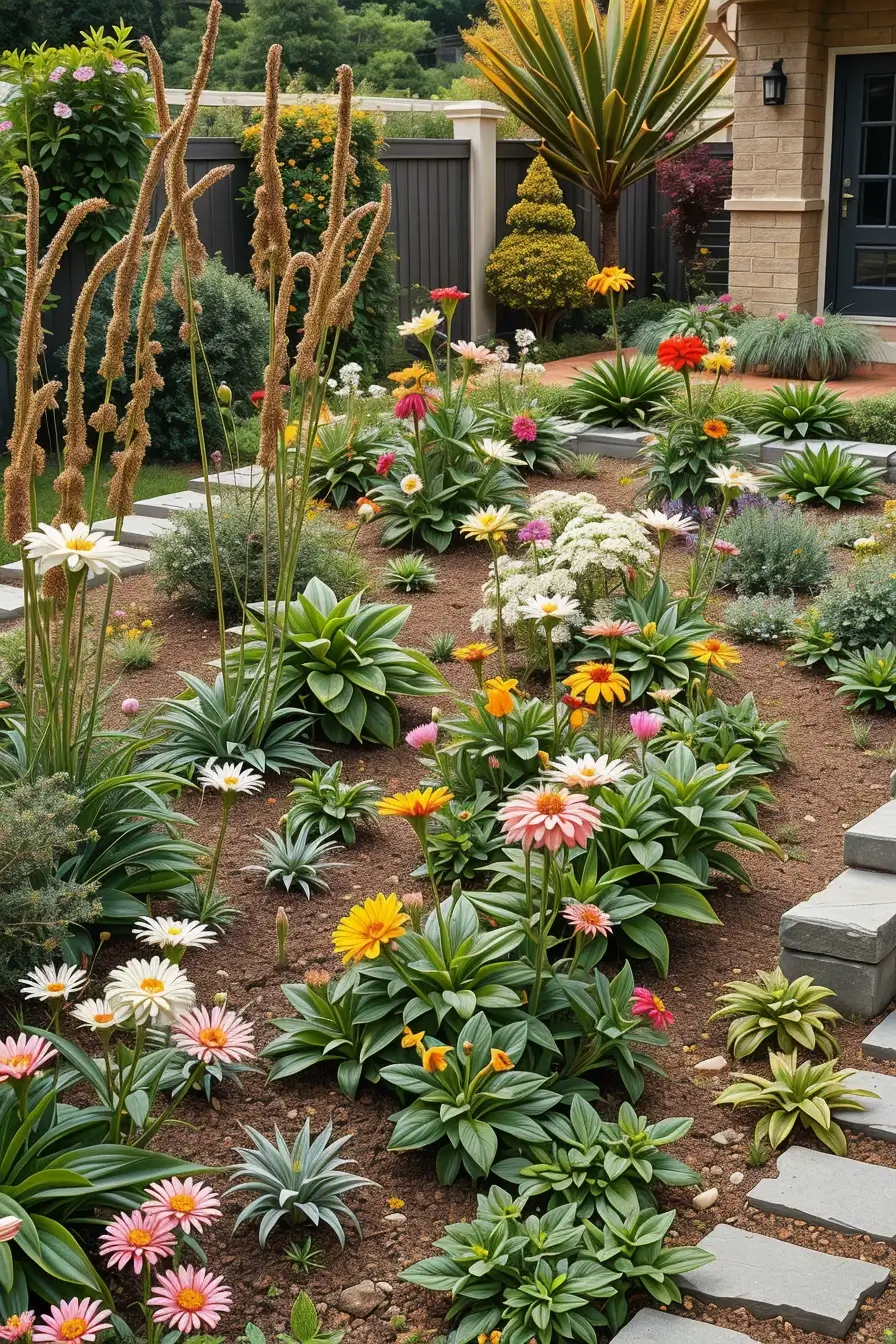
I typically combine tall flowering plants, mid-height shrubs, and low ground covers to build a structured yet fluid composition. Raised beds, terraced levels, and subtle elevation changes help reinforce depth. Hardscape elements such as steps or narrow paths enhance the feeling of progression through the garden.
From my experience, layered gardens feel more dynamic throughout the seasons. Landscape designers featured in Garden Design Magazine often emphasize that vertical variation keeps outdoor spaces visually active year-round. I fully agree, as this approach prevents the garden from feeling static.
What I would add to this section is strategic focal lighting between layers. In my opinion, layered lighting highlights depth at night and strengthens the overall spatial experience.
9. Luxury Flower Garden Ideas With Curated Color Palettes
Luxury flower gardens in 2026 focus on precision rather than excess. I approach these spaces by curating controlled color palettes that feel intentional and refined. The result is a designer garden that communicates elegance through restraint.
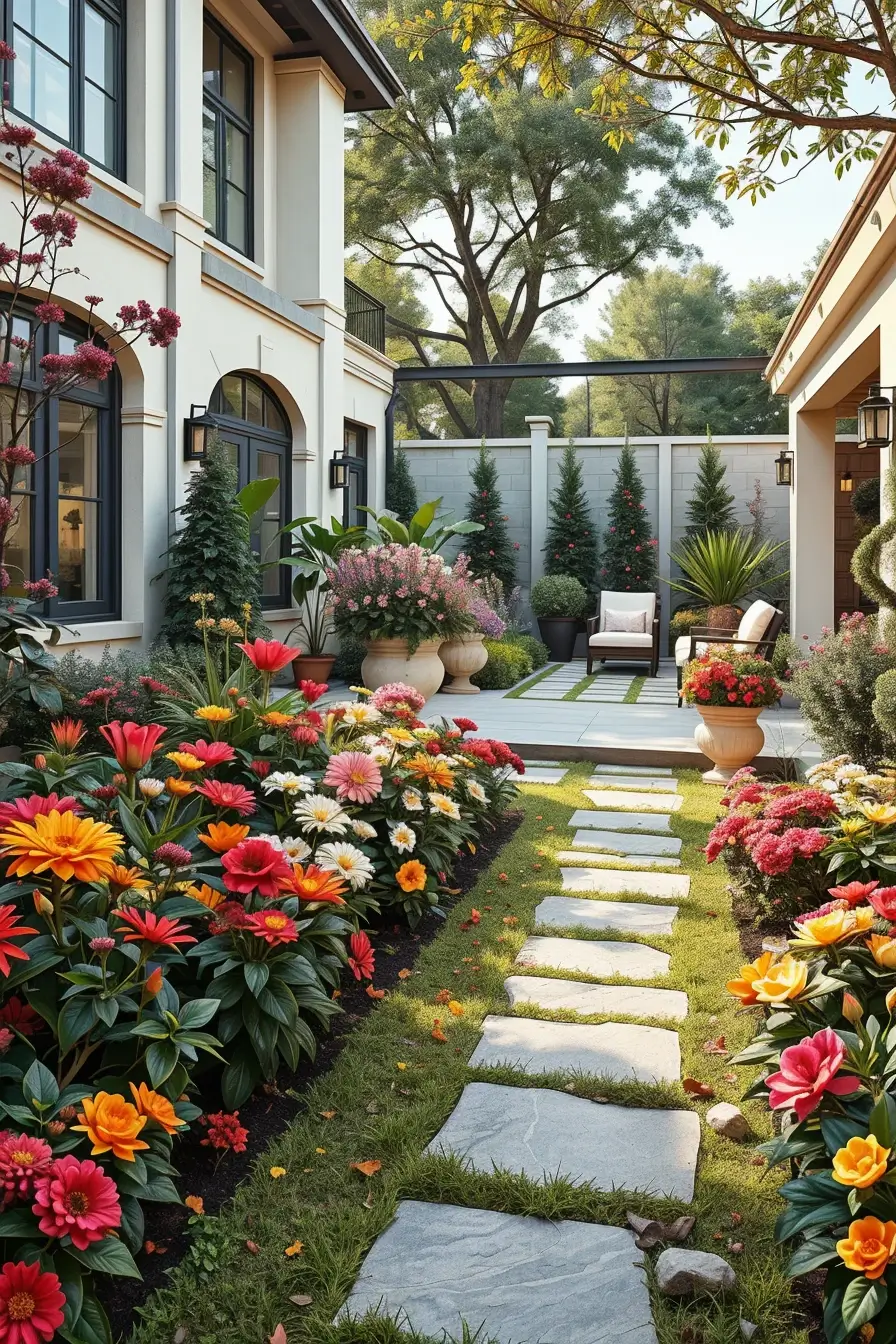
I carefully select flowers within a limited range of tones, supported by neutral hardscape materials and premium finishes. Upholstered outdoor seating, stone pathways, and custom planters reinforce the sense of exclusivity. Each color choice serves a purpose and contributes to visual harmony.
Personally, I believe color discipline separates luxury from decoration. Designers quoted in Veranda Magazine often highlight that controlled palettes create a timeless impression, which aligns with my own observations. These gardens age beautifully and remain visually relevant.
To elevate this concept further, I would incorporate seasonal accent plants that subtly refresh the palette without disrupting its balance.
10. Modern Cottage Flower Gardens With A Refined Twist
Modern cottage flower gardens reinterpret traditional charm through a contemporary lens. I design these gardens to feel relaxed yet structured, blending softness with intentional planning. In Flower garden ideas 2026, this balance is key to creating approachable but polished outdoor spaces.
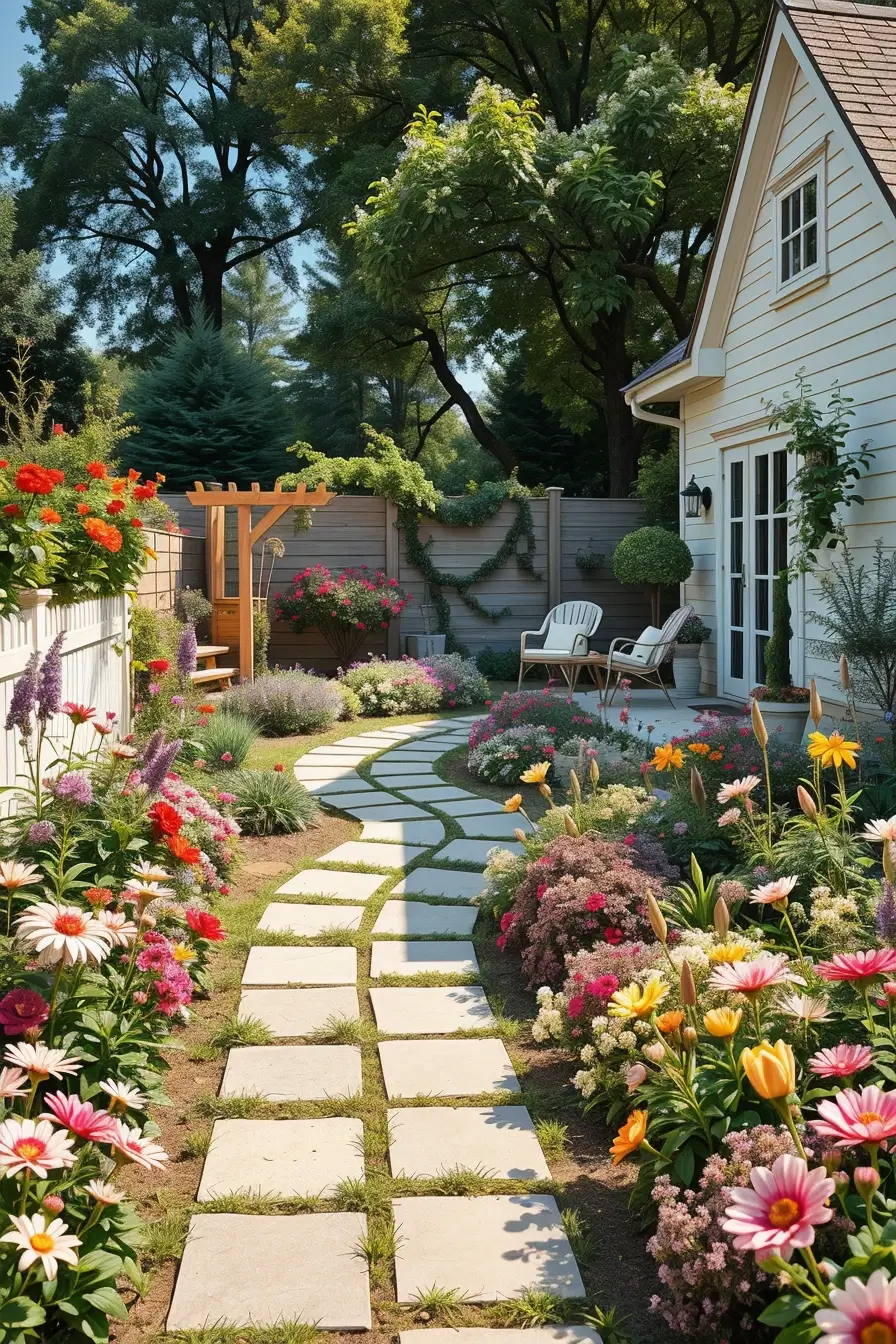
I combine flowing flower beds with clean pathways, restrained fencing, and simple outdoor furniture. Natural materials are refined through precise placement, while plant choices remain curated rather than spontaneous. This approach preserves warmth without visual clutter.
From my experience, homeowners appreciate this style for its emotional appeal. Better Homes and Gardens often notes that updated cottage gardens offer nostalgia without chaos, which reflects how I approach these designs.
What I would add here is subtle architectural framing, such as pergolas or trellises, to give the garden a stronger sense of structure and longevity.
11. Sustainable Flower Gardens That Look Effortlessly Designer
Sustainability is no longer a separate category but a core principle of modern garden design. I approach sustainable flower gardens as high-performance outdoor spaces that still feel stylish and modern. In 2026, eco-conscious choices are seamlessly integrated into aesthetics.
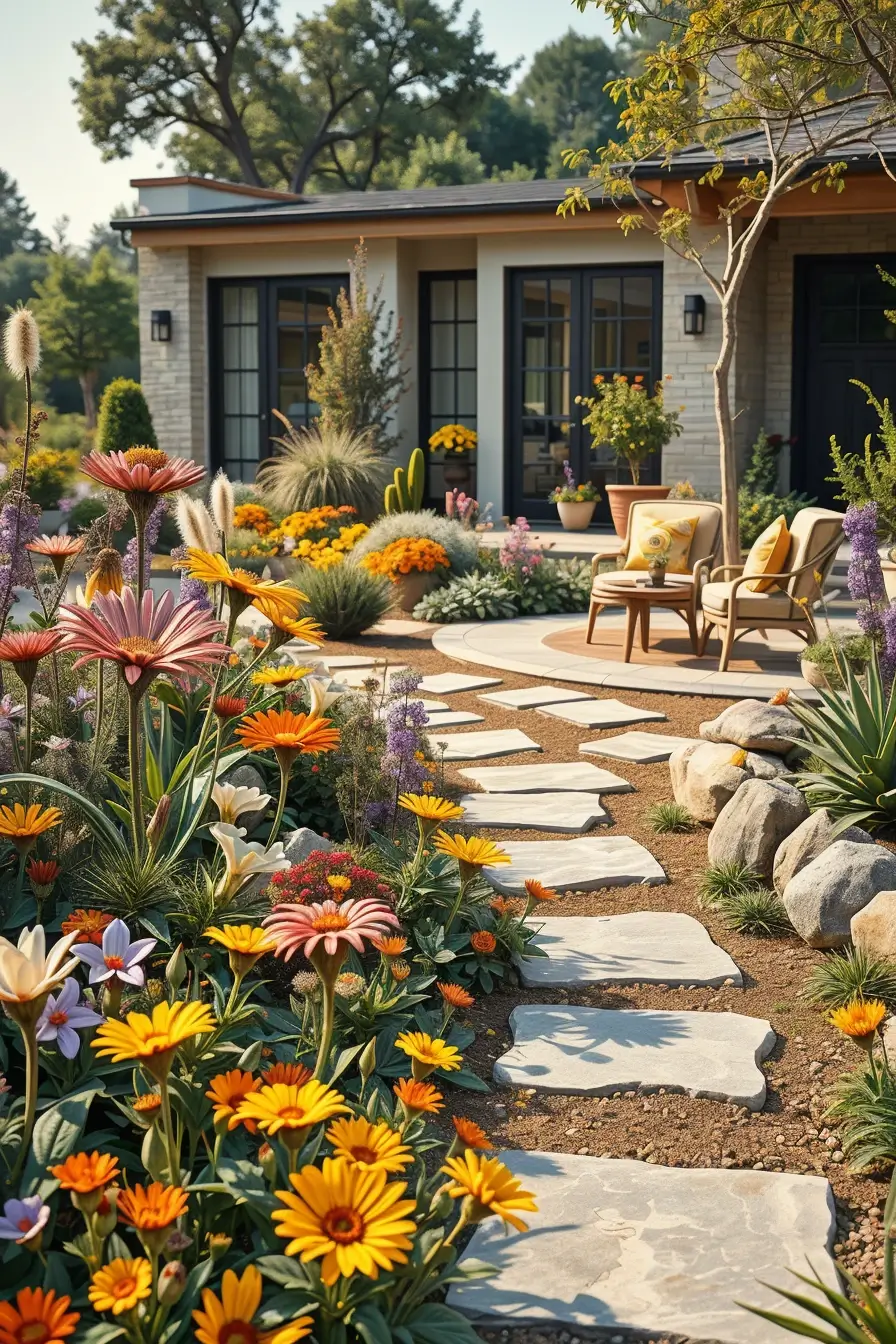
I prioritize native plants, efficient irrigation systems, and permeable surfaces. These choices reduce maintenance while supporting long-term health. Furniture made from durable, sustainable materials reinforces the garden’s functionality and design integrity.
From my professional perspective, sustainable gardens are also more resilient. Media outlets like The Washington Post regularly highlight how smart planting improves durability and lowers costs. I consistently see better long-term outcomes with this approach.
To strengthen this section, I would include visible rainwater collection elements designed as sculptural features, combining function with visual interest.
12. Flower Garden Ideas Using Monochrome Plant Schemes
Monochrome flower gardens rely on variation in texture, form, and scale rather than color contrast. I design these spaces to feel cohesive and calming, which aligns perfectly with modern garden sensibilities in 2026.
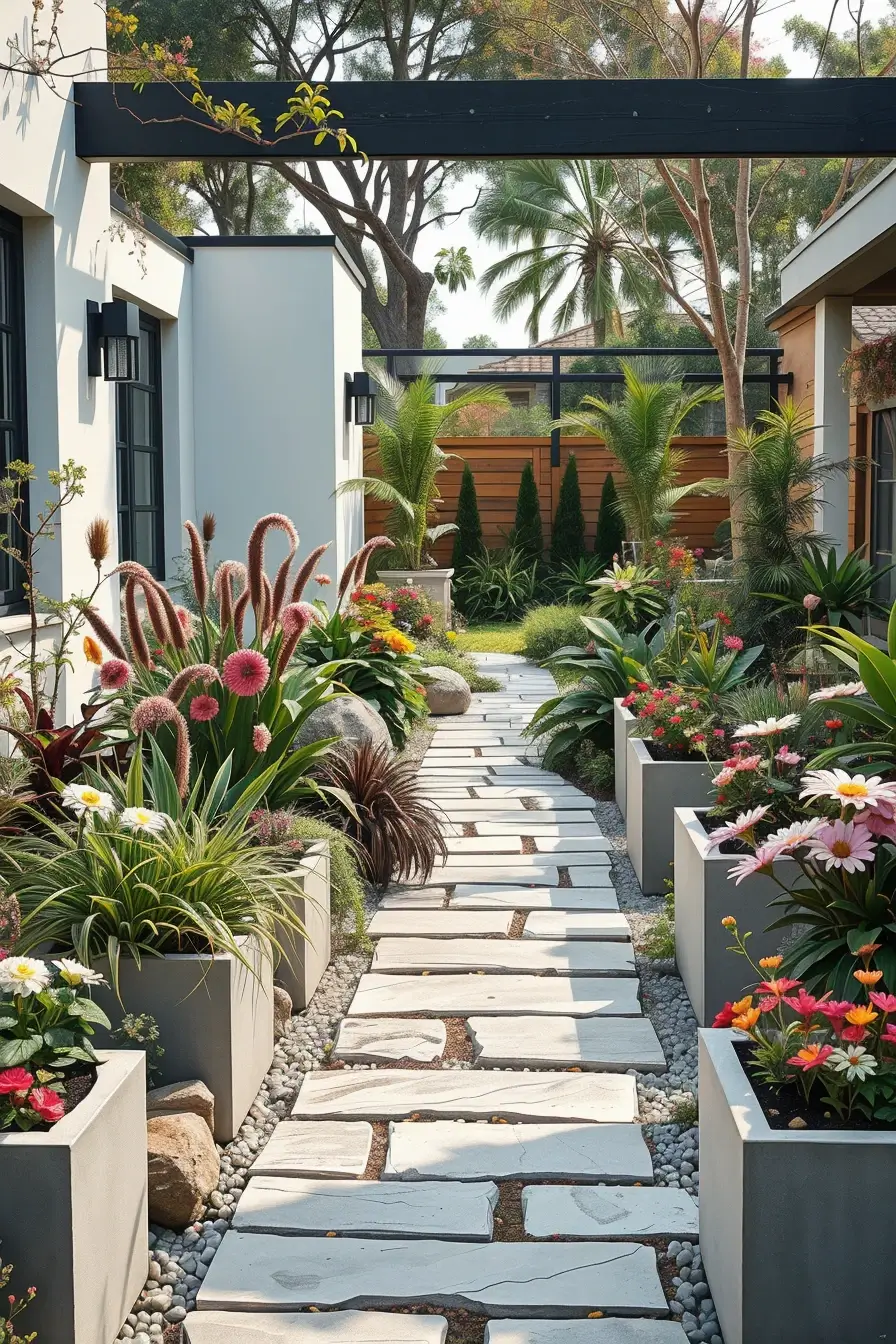
I select plants within a single color family but vary leaf shapes, bloom sizes, and heights. Stone paths, minimalist seating, and neutral planters support the monochrome theme without distraction. The result is a garden that feels intentional and sophisticated.
In my experience, monochrome gardens photograph exceptionally well and remain visually consistent throughout the seasons. Designers featured in Elle Decor often praise monochrome outdoor spaces for their elegance and clarity, which I have seen firsthand.
What I would add here is subtle metallic or textural accents in furniture or decor to introduce depth without breaking the color discipline.
13. Bold Flower Gardens Featuring Statement Blooms
Bold flower gardens are designed around impact and personality. I use statement blooms as focal points while ensuring the overall composition remains controlled. In Flower garden ideas 2026, boldness is balanced with structure.
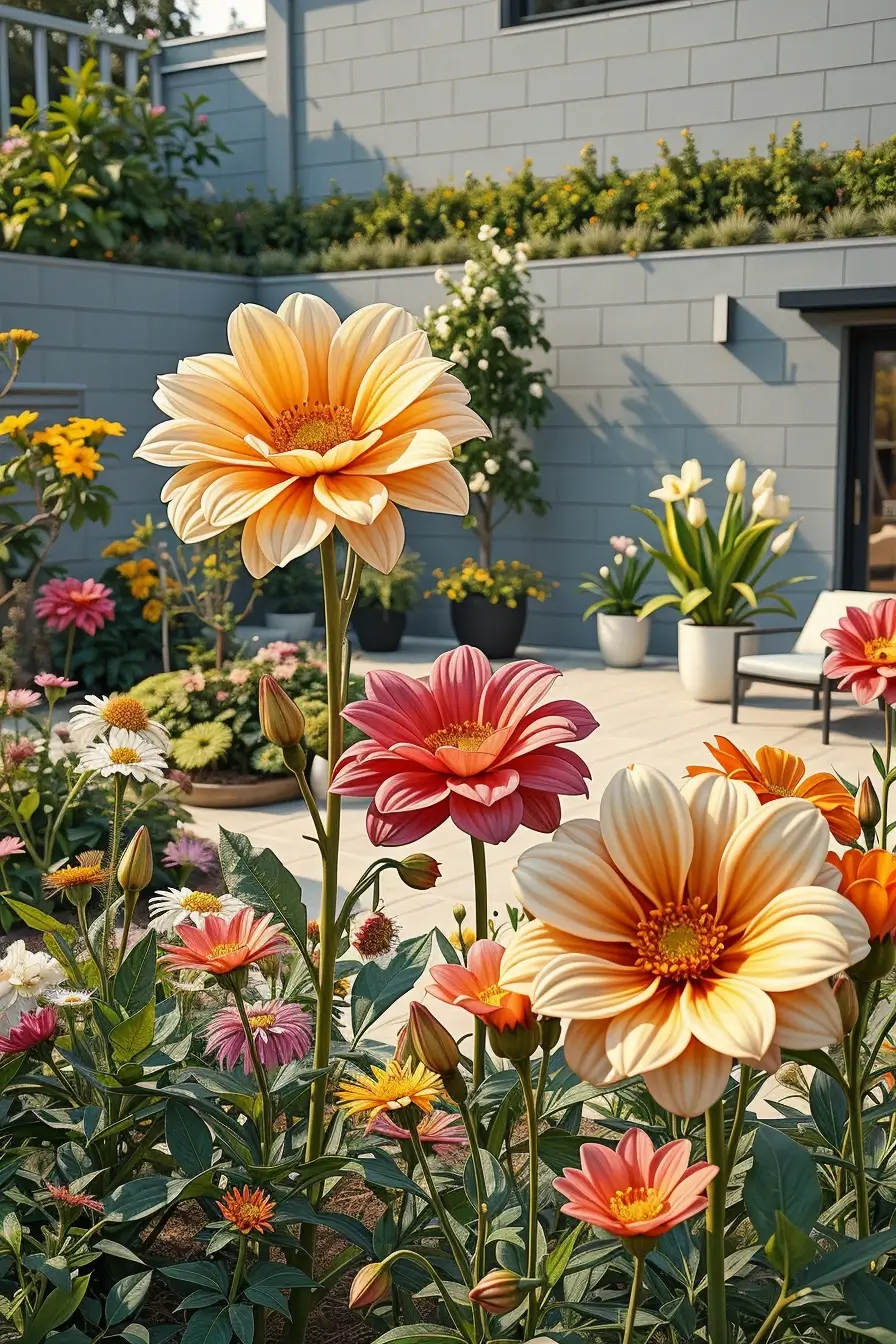
I typically anchor the garden with large flowering plants, supported by neutral backgrounds and minimal furniture. Hardscape elements remain understated so the blooms command attention without visual competition.
From my point of view, statement gardens work best when restraint is applied elsewhere. Garden designers featured in Martha Stewart Living often emphasize letting one element shine, which aligns with how I approach bold compositions.
To complete this idea, I would add viewing zones or seating areas positioned specifically to frame the statement blooms and encourage pause.
14. Soft And Elegant Flower Gardens With Natural Flow
Soft and elegant flower gardens prioritize movement and comfort over rigid structure. I design these spaces to feel organic, welcoming, and visually gentle, reflecting a growing desire for restorative outdoor environments in 2026.
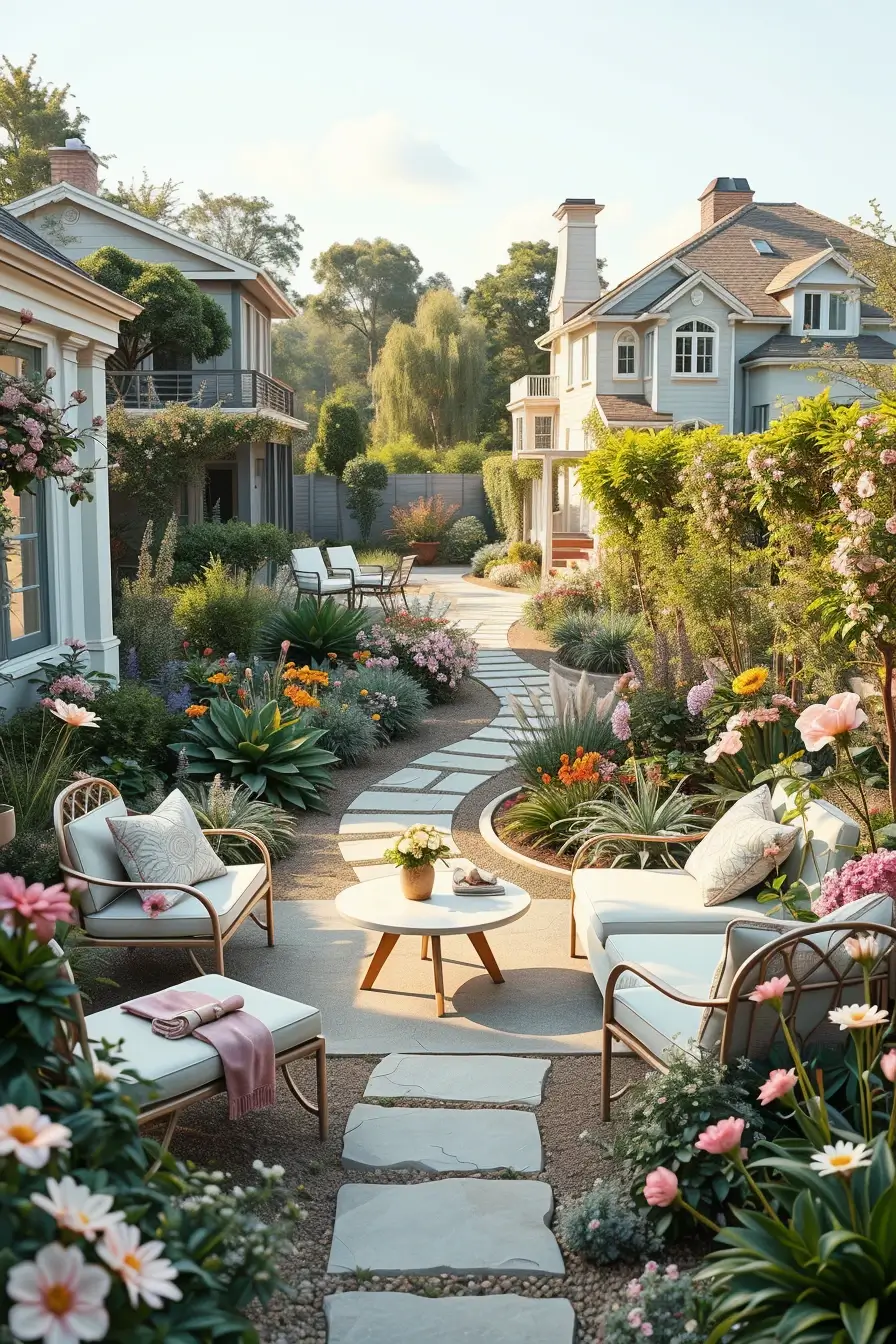
I use curved paths, flowing plant groupings, and lightweight outdoor furniture to support ease of movement. Materials and colors are chosen for harmony rather than contrast, creating a calm and cohesive atmosphere.
In my experience, these gardens appeal to homeowners seeking relaxation rather than visual drama. Experts from House Beautiful frequently highlight the psychological benefits of gentle outdoor design, which reinforces my design philosophy.
What I would add to this section is subtle sound elements, such as low-profile water features, to enhance the sensory experience without disrupting the garden’s softness.
15. Urban Flower Garden Ideas For Compact Outdoor Spaces
I approach urban flower gardens as carefully planned outdoor interiors, where every square meter has a purpose. In compact spaces, vertical planting systems, modular beds, and integrated hardscaping allow flowers to thrive without overcrowding. These modern and designer gardens are especially practical for rooftops, balconies, and small courtyards, offering visual richness while remaining easy to maintain.
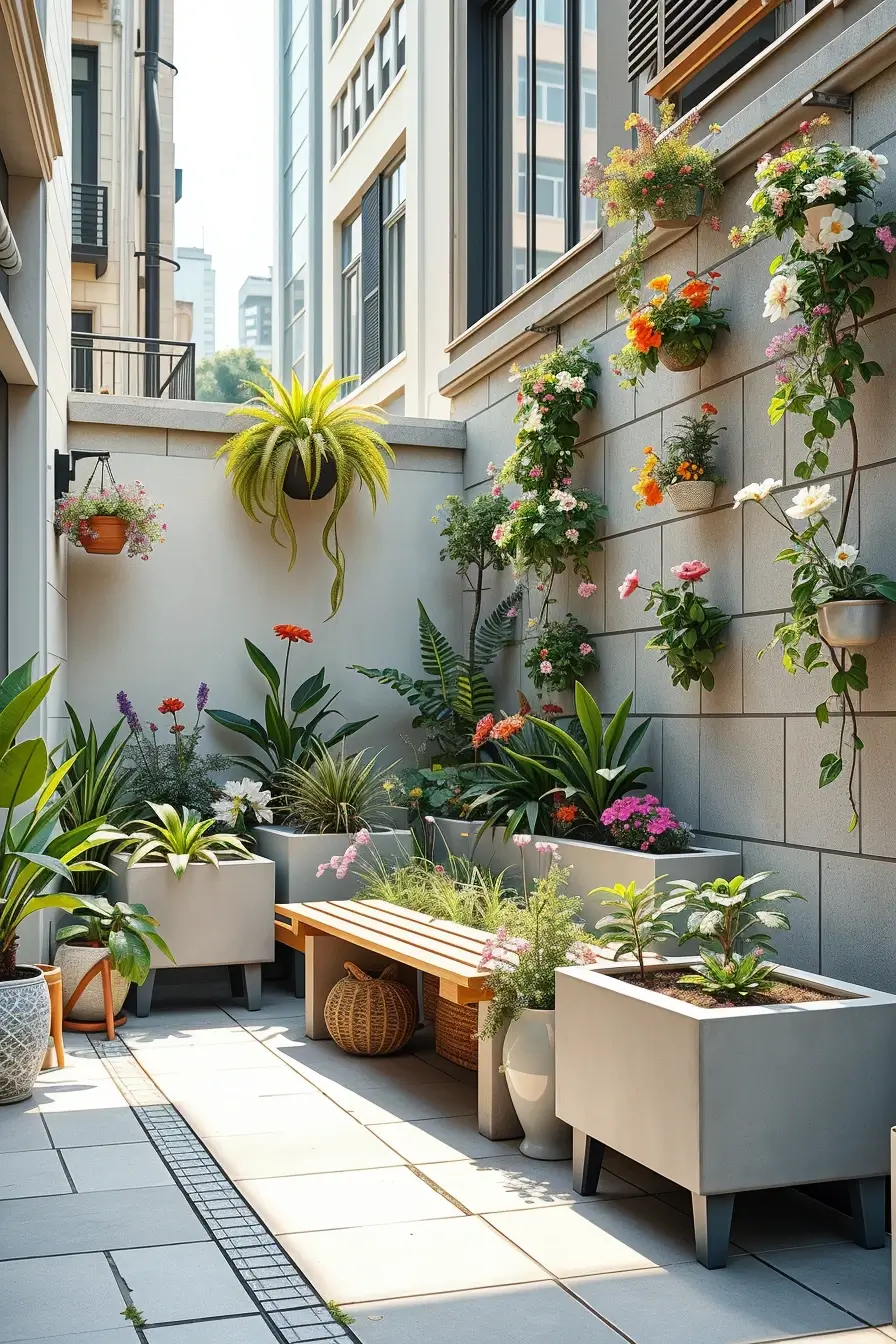
I include slim raised planters, wall-mounted flower panels, and built-in benches with hidden storage because they combine comfort with efficiency. Durable materials such as concrete, treated wood, and powder-coated metal help define the space and support a stylish yet urban aesthetic. Each element is selected to enhance airflow, sunlight access, and seasonal adaptability.
From my experience, compact urban gardens benefit most from restraint and structure. Landscape architects frequently featured in Architectural Digest emphasize that strong geometry helps small gardens feel intentional rather than crowded, a principle I consistently apply when designing unique flower gardens for city environments.
What I would still add here is smart irrigation and subtle lighting. Automated drip systems and low-profile LED lights would elevate functionality while reinforcing the clean, contemporary feel of this garden type.
16. Contemporary Flower Gardens With Mixed Textures And Heights
When I design contemporary flower gardens, I rely heavily on layering through varied textures and plant heights. This approach creates depth and movement, allowing the garden to feel dynamic throughout the year. In Flower garden ideas 2026, mixed-height planting is both decorative and practical, helping manage wind exposure and visual balance.
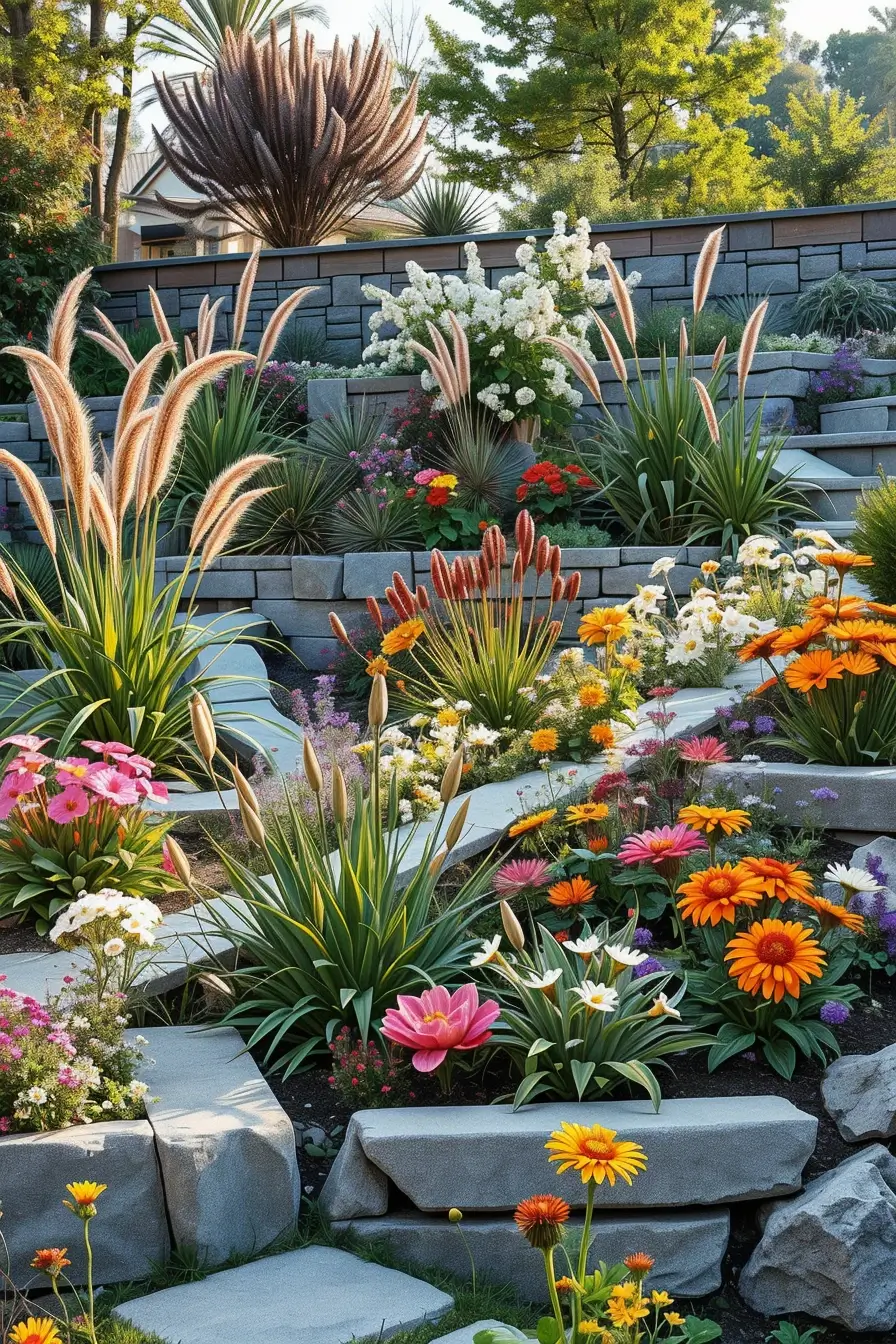
I deliberately combine soft flowering plants with structured grasses, sculptural shrubs, and stone or wood edging. Raised platforms, tiered planters, and low retaining walls serve as architectural elements that guide the eye and organize the composition. These design choices support a modern and designer look without overwhelming the space.
Personally, I find that texture-driven gardens age better than color-focused ones. Designers from the American Society of Landscape Architects often stress that texture remains visually engaging even outside peak bloom seasons, which aligns with my own long-term planning philosophy.
To enhance this section, I would add transitional zones such as gravel strips or timber steps. These features would further emphasize height changes while improving accessibility and drainage.
17. Modern Flower Garden Paths That Frame Blooms Beautifully
In my work, garden paths are not secondary features but structural elements that define how flowers are experienced. Modern paths frame blooms deliberately, guiding movement while highlighting focal points. This approach fits seamlessly into stylish and modern flower gardens designed for clarity and flow.
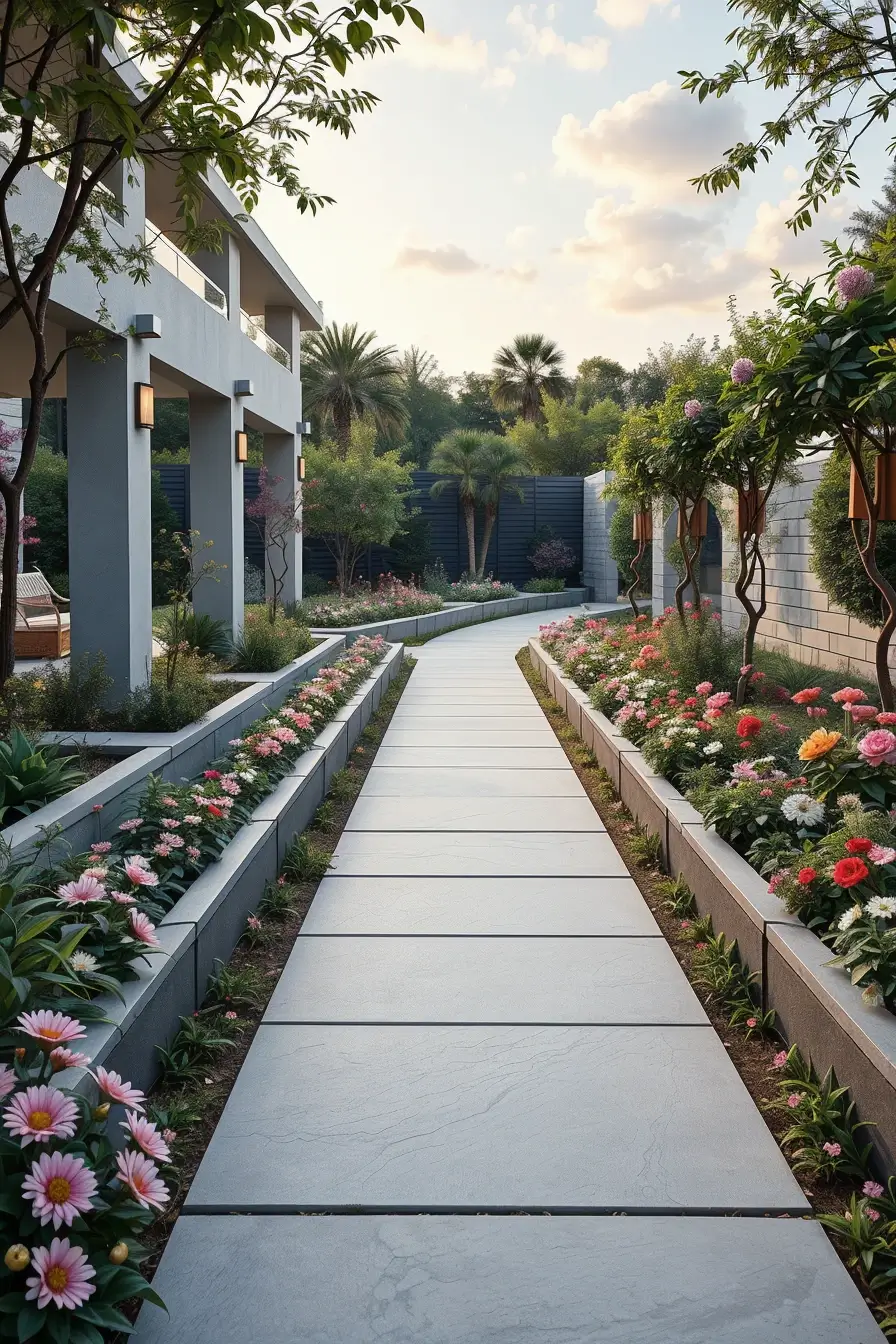
I use materials like large-format stone slabs, poured concrete, or fine gravel bordered by low flowers. Clean lines help contrast organic plant forms, while gentle curves soften the overall layout. These paths make gardens more accessible and visually organized, especially in larger outdoor spaces.
From experience, well-designed paths increase how often a garden is used. Landscape designers featured in Garden Design Magazine consistently note that clear circulation encourages daily interaction with outdoor spaces, something I prioritize in every designer garden layout.
What could enhance this idea further is integrated seating along the path. A minimal bench or stone ledge would invite pause and observation without disrupting the clean aesthetic.
18. Experimental Flower Garden Designs That Break Tradition
Experimental flower gardens allow me to challenge traditional layouts and expectations. In 2026, these unusual gardens embrace asymmetry, unexpected plant pairings, and unconventional materials. They are less about rules and more about expression, while still remaining functional.
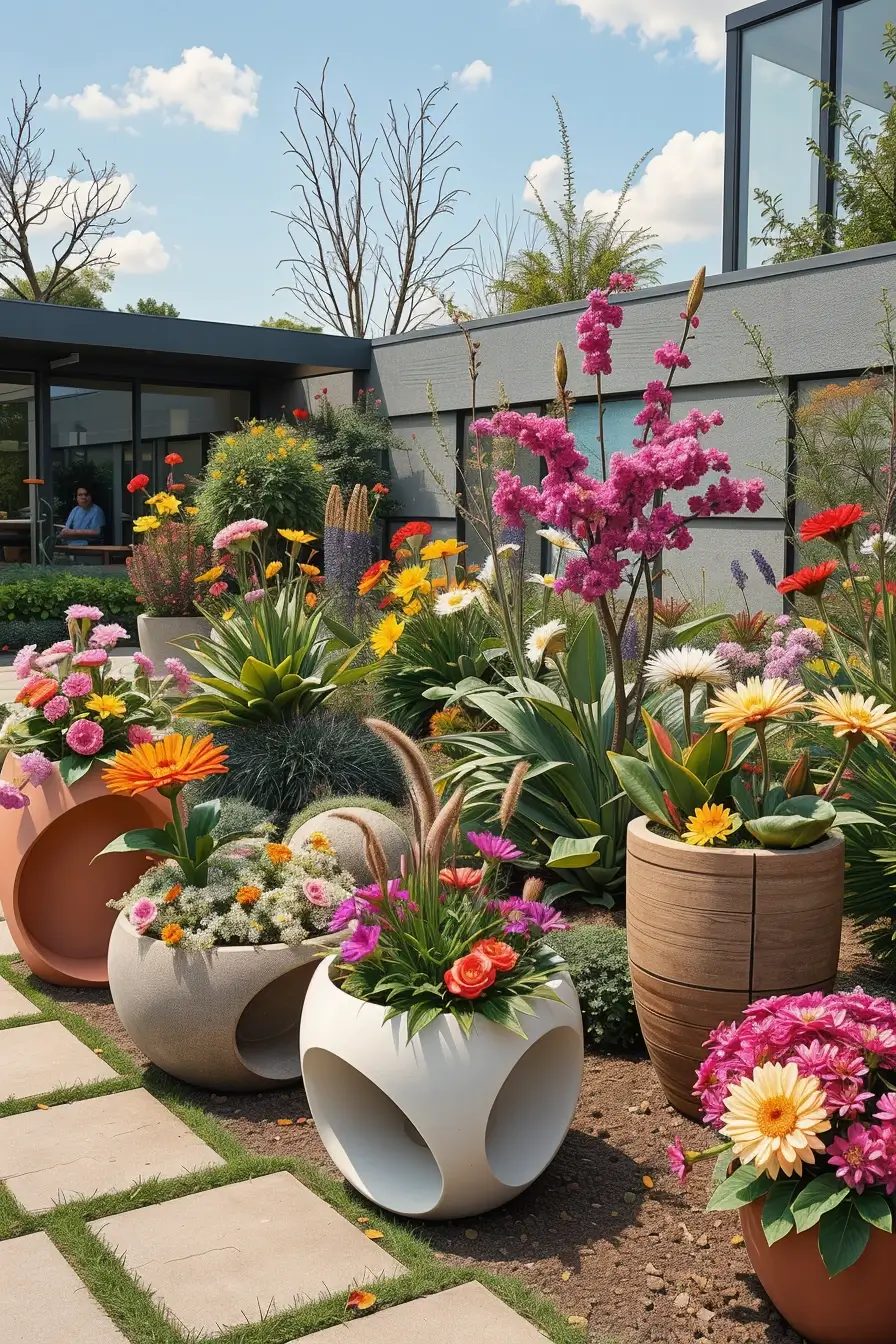
I often include sculptural planters, bold color blocks, and non-linear planting beds. Recycled metal, tinted concrete, or dark gravel can act as strong backdrops for vibrant flowers, reinforcing a unique flower garden identity. These elements transform the garden into a living art installation.
In my opinion, experimentation works best when grounded in horticultural knowledge. Designers highlighted by Dezeen frequently remind us that innovation should never compromise plant health, a principle I follow closely when testing new ideas.
To complete this type of garden, I would introduce movable elements such as portable planters or modular sculptures. This flexibility allows the design to evolve over time without major reconstruction.
19. Flower Gardens Inspired By Modern Landscape Art
I treat these gardens as three-dimensional compositions inspired by contemporary landscape art. Clean geometry, intentional negative space, and strong visual rhythm define this designer approach to flower gardening in 2026.
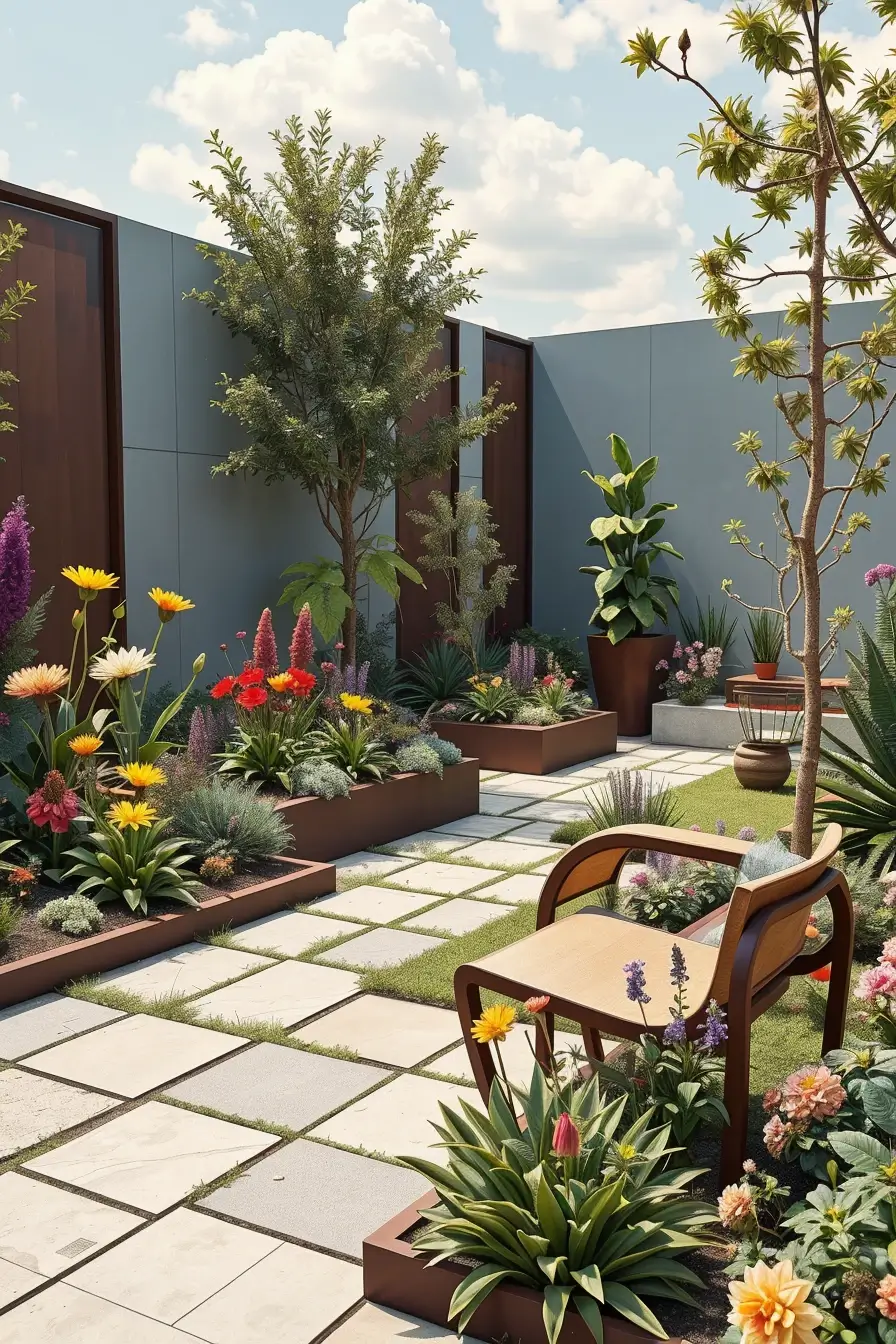
I incorporate large planting zones with limited flower varieties, framed by stone borders or corten steel edges. Minimalist seating, water features, or reflective surfaces help reinforce the artistic concept while keeping the garden functional and calm.
From my perspective, restraint is the key to success here. Many modern landscape artists, including those featured in The New York Times Home section, emphasize that fewer elements create stronger emotional impact, a lesson I apply consistently.
What I would still add is curated lighting to highlight shapes after sunset. Directional spotlights would enhance the sculptural quality of the garden without overpowering its simplicity.
20. Stylish Wildflower Gardens With A Controlled Aesthetic
Controlled wildflower gardens combine natural beauty with deliberate structure, making them ideal for stylish and modern outdoor spaces. I design these gardens to look effortless while maintaining clear boundaries and intentional planting patterns.
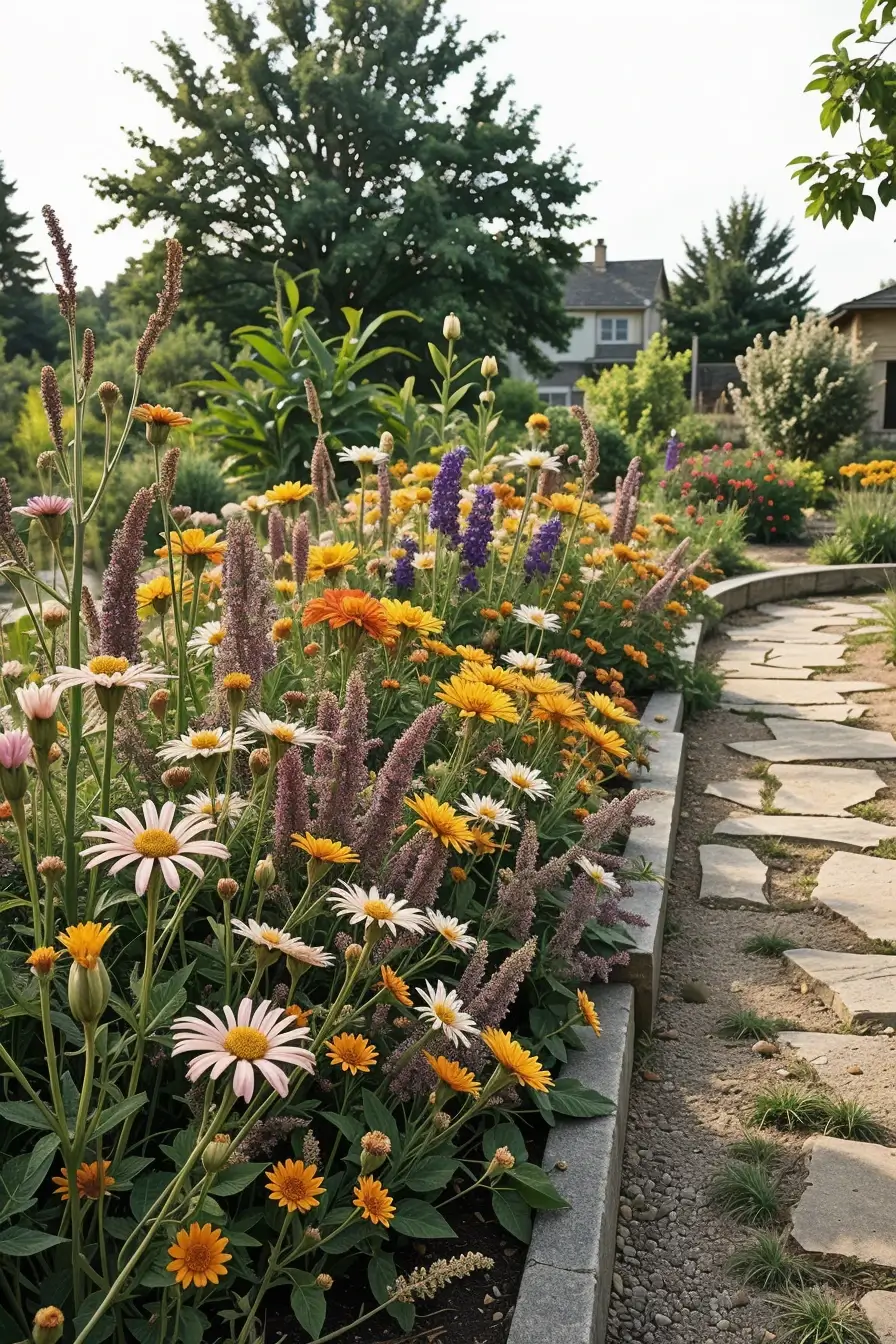
I rely on defined edges, mown paths, and carefully selected wildflower mixes that bloom in succession. Natural stone borders, simple wooden fencing, and discreet seating help balance the organic feel with visual order.
In my experience, this style resonates with homeowners seeking sustainability without chaos. Experts from the Royal Horticultural Society often highlight that managed wildflower gardens support biodiversity while remaining visually refined, reinforcing my design approach.
To strengthen this section, I would include informational markers or subtle signage. These elements educate visitors while reinforcing the curated nature of the garden.
21. Modern Flower Gardens With Integrated Seating Areas
I see integrated seating as essential in modern flower gardens, transforming them from decorative spaces into lived-in environments. Seating zones encourage relaxation and extend the garden’s usability throughout the day.
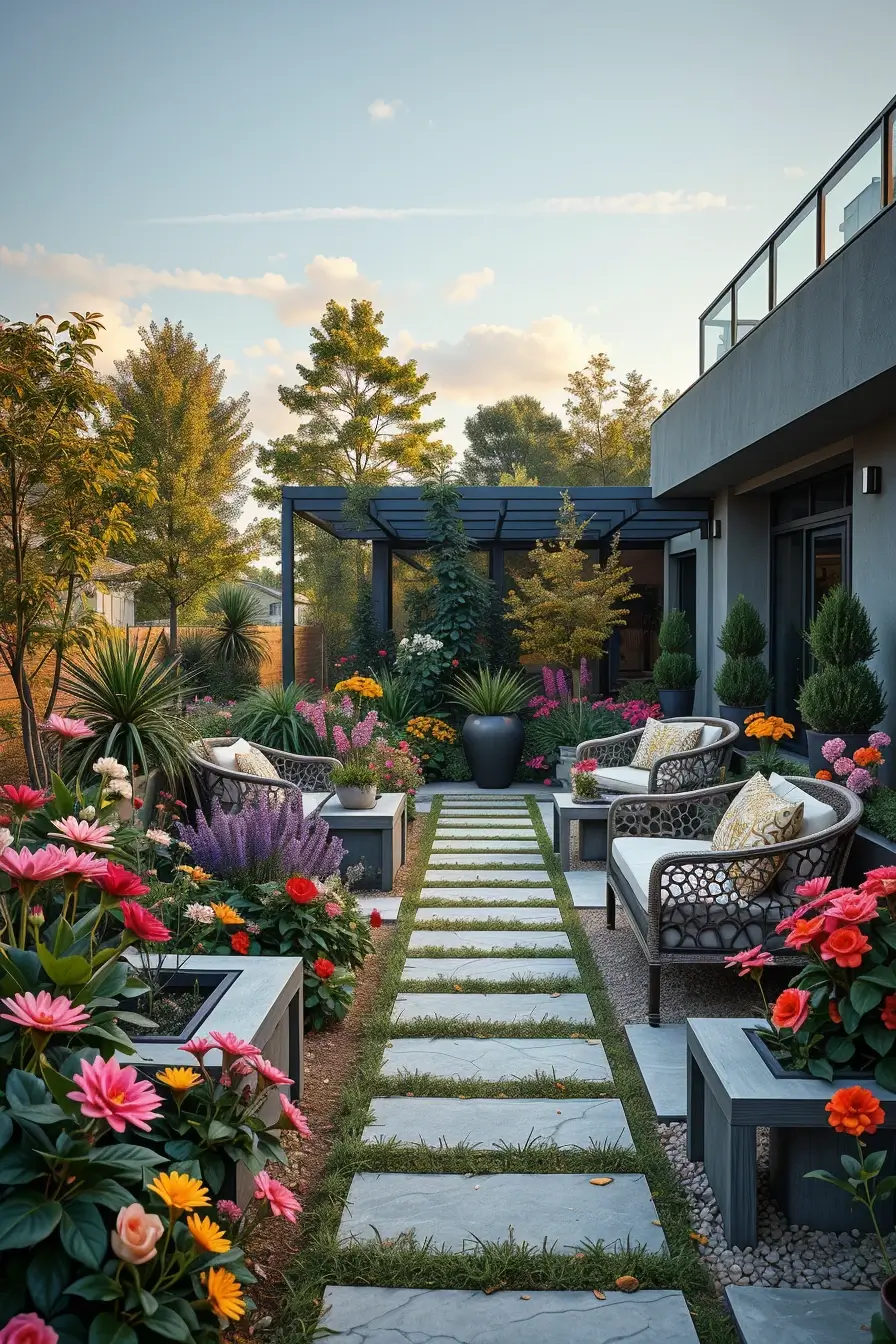
I include built-in benches, low walls with cushions, or minimalist outdoor chairs made from weather-resistant materials. Placing seating within or alongside flower beds creates immersion, allowing users to experience scent, texture, and color up close.
From personal practice, gardens with seating are used far more frequently. Landscape designers interviewed by Better Homes & Gardens consistently note that comfort is what turns a garden into a daily retreat, a belief I fully share.
What I would still add here is shade control. Pergolas, retractable canopies, or strategically placed trees would complete the space and improve comfort during warmer months.
22. High-Contrast Flower Garden Ideas For Visual Impact
I design high-contrast flower gardens to create immediate visual tension and clarity, which is a defining trait of modern and designer landscapes in Flower garden ideas 2026. These gardens rely on deliberate contrasts between light and dark foliage, bold flower colors, and sharply defined materials, making them highly effective even in medium-sized outdoor spaces.
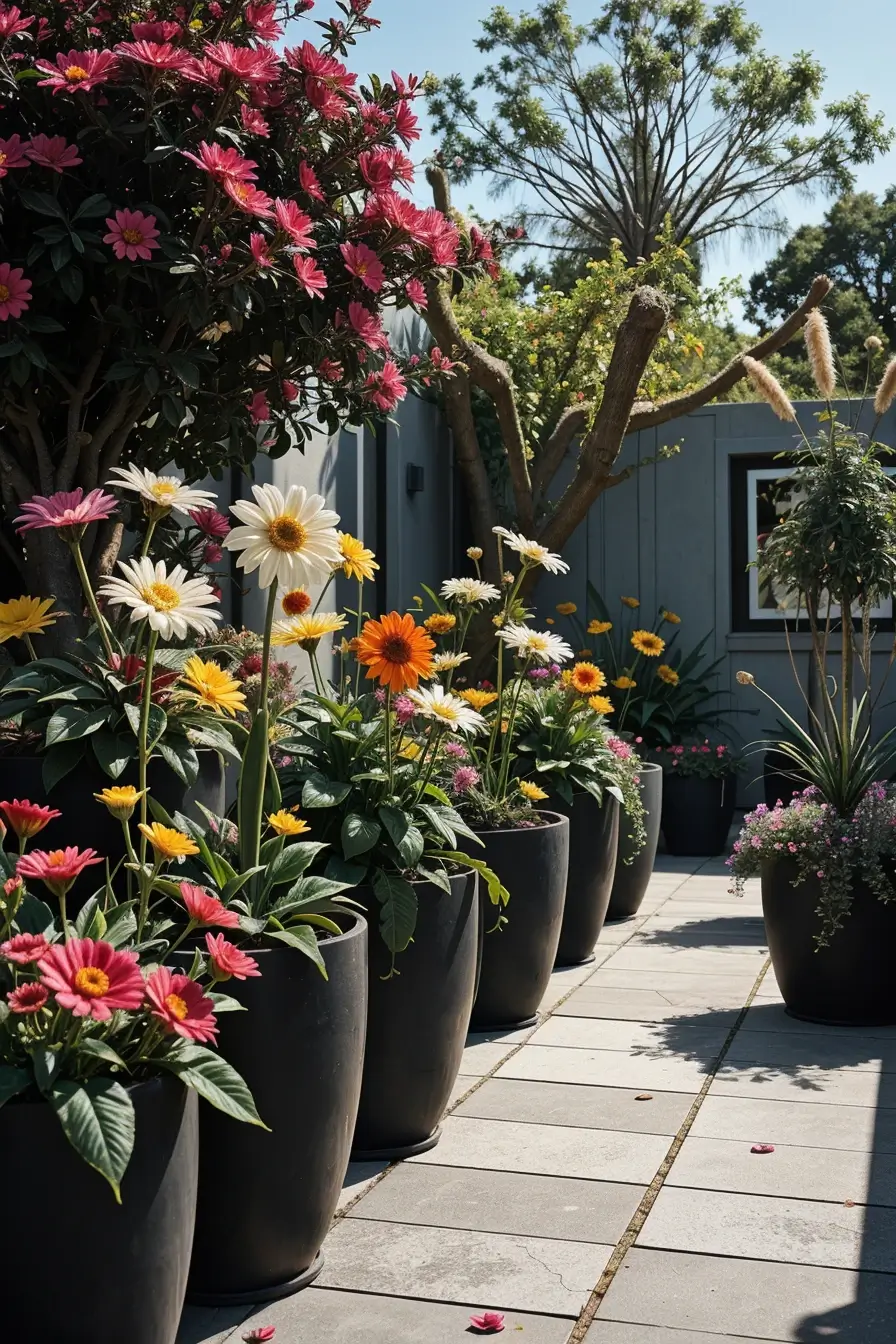
I typically combine deep green or near-black foliage with white, pale pink, or vibrant red blooms. Dark stone paving, charcoal gravel, or matte black planters help frame the flowers and intensify their presence. Every element is chosen to reinforce contrast while keeping the overall composition controlled and stylish.
From my professional experience, contrast-driven gardens photograph exceptionally well and maintain strong identity year-round. Designers featured in Dwell often emphasize that contrast improves legibility in outdoor spaces, especially in contemporary homes, which aligns with how I approach these gardens.
What I would still add here is intentional lighting. Uplights and low path lights would amplify contrast after sunset and extend the garden’s visual impact into the evening.
23. Naturalistic Flower Gardens With A Designer Structure
I approach naturalistic flower gardens as carefully choreographed ecosystems rather than random plantings. In 2026, this style balances organic growth with a designer framework, allowing the garden to feel relaxed yet clearly intentional.
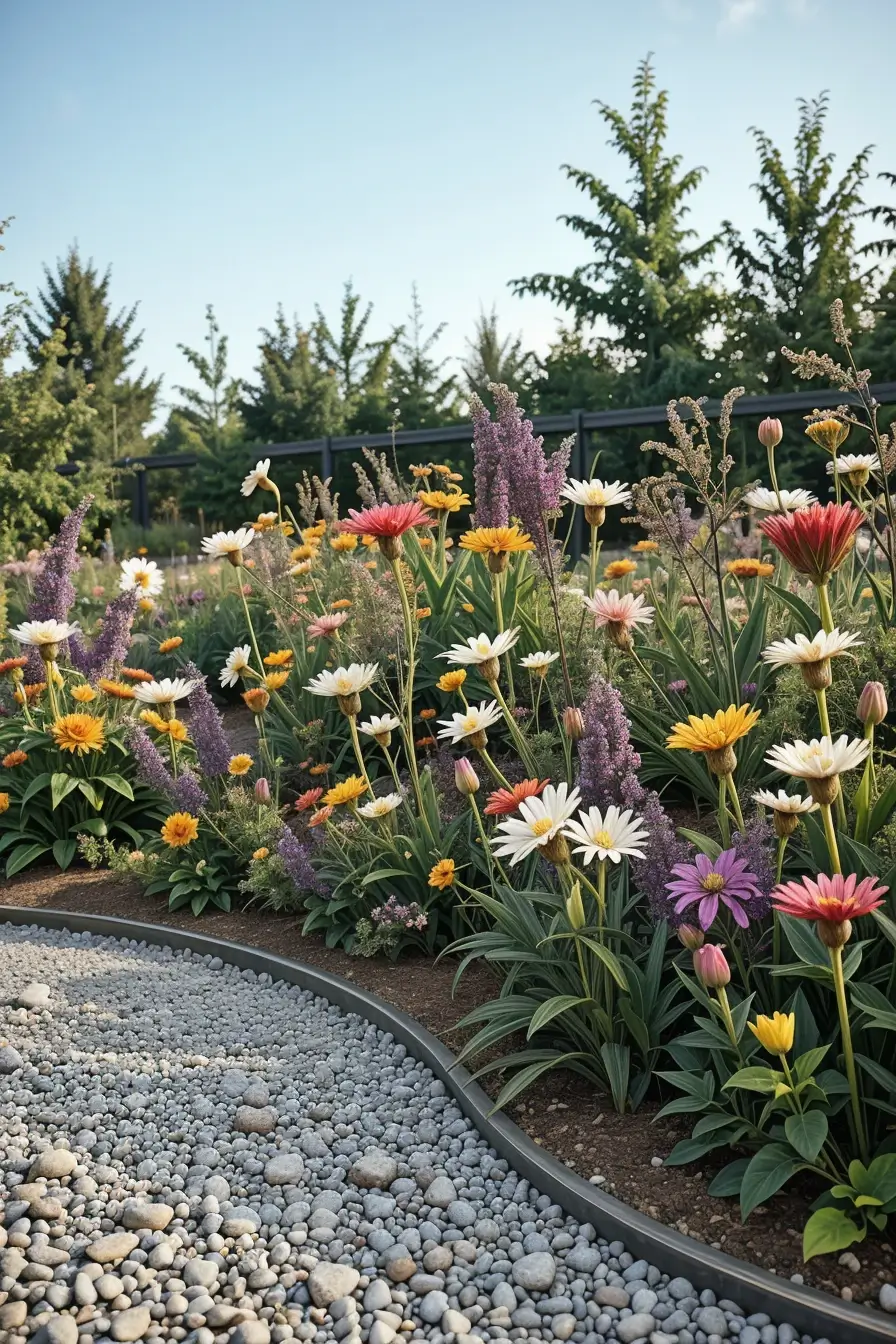
I use repeating plant groups, hidden structural borders, and subtle elevation changes to guide growth naturally. Gravel paths, steel edging, and discreet seating help anchor the design while letting flowers appear spontaneous. This structure ensures longevity and manageable maintenance.
Personally, I find this approach ideal for clients who want authenticity without disorder. Landscape architects writing for Landscape Architecture Magazine often stress that structure is what separates a refined natural garden from an overgrown one, a distinction I fully agree with.
To strengthen this section, I would introduce seasonal editing plans. Scheduled thinning and replanting would maintain the designer intent while preserving the natural look.
24. Flower Garden Ideas That Focus On Shape Over Color
In some of my most unique flower gardens, shape becomes the primary design language rather than color. This concept fits perfectly into modern flower garden ideas 2026, where form and rhythm take precedence over seasonal palettes.
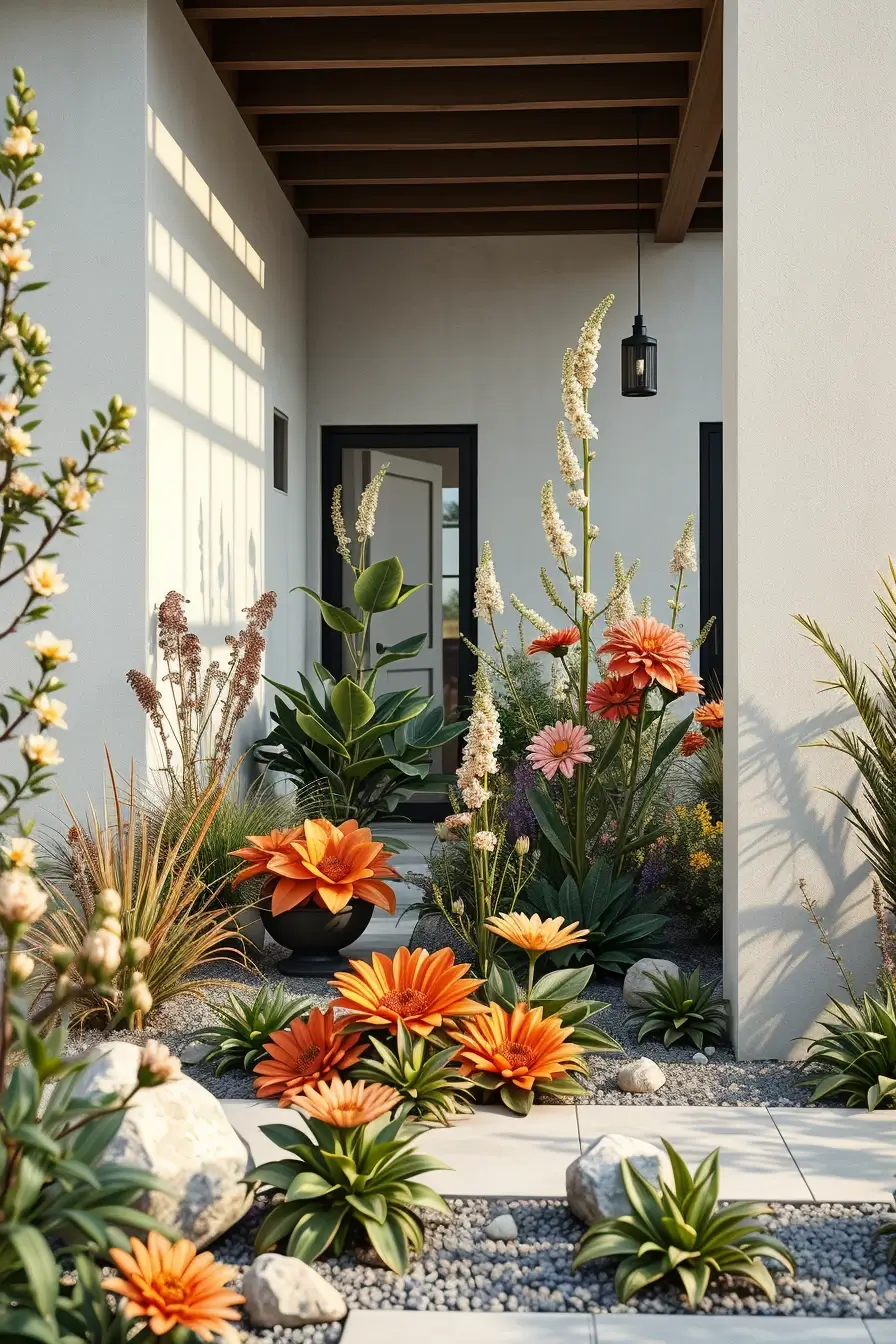
I select flowers and plants with strong silhouettes such as spheres, spires, and low mounds. Repetition of shapes creates cohesion, while neutral hardscaping allows forms to stand out clearly. This approach is especially effective in minimalist outdoor settings.
From experience, shape-focused gardens remain visually engaging even when flowers are not in peak bloom. Designers frequently featured in Dezeen note that form-based landscapes age more gracefully, which is why I often recommend this strategy for long-term projects.
What could enhance this idea is the addition of sculptural accents. Simple stone or metal forms would echo plant shapes and reinforce the concept.
25. Modern Flower Borders That Define Outdoor Spaces
I use modern flower borders as architectural tools that define zones within outdoor environments. In stylish and modern flower gardens, borders help organize space while adding softness and seasonal interest.
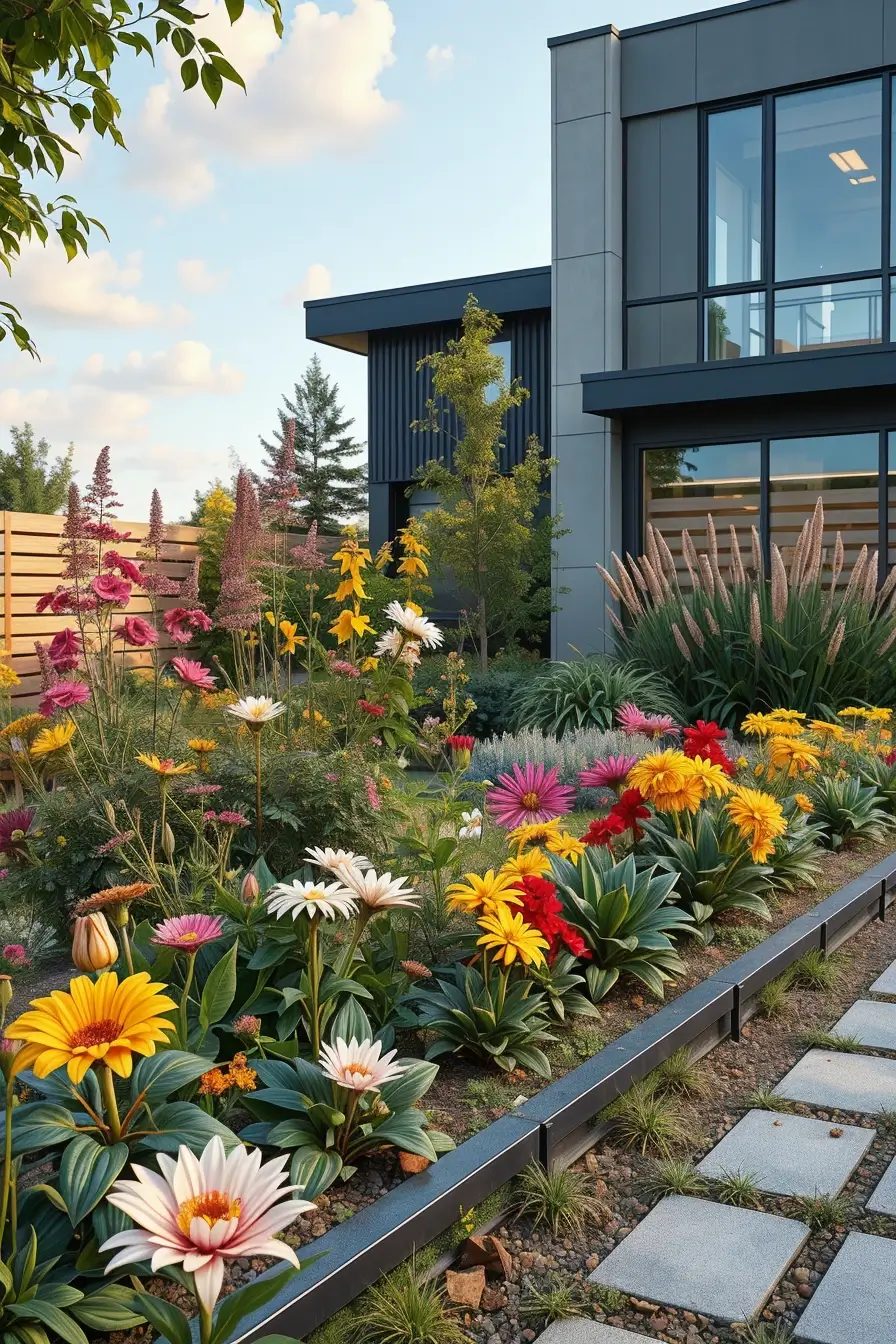
I design borders with clean edges using metal strips, stone curbs, or concrete channels. Flowers are planted in controlled layers, often transitioning from low ground cover to taller blooms, ensuring visibility and order. This makes borders both decorative and functional.
In my opinion, well-designed borders elevate even simple gardens. Experts from Better Homes & Gardens often highlight that defined edges are essential for clarity in contemporary landscapes, a principle I consistently apply.
To complete this section, I would add subtle irrigation lines integrated into the borders. This would improve plant health while keeping the design visually clean.
26. Statement Flower Gardens Designed Around One Hero Plant
I consider hero-plant gardens among the most designer approaches in Flower garden ideas 2026. These gardens revolve around one dominant plant that defines the entire composition, creating a strong and memorable identity.
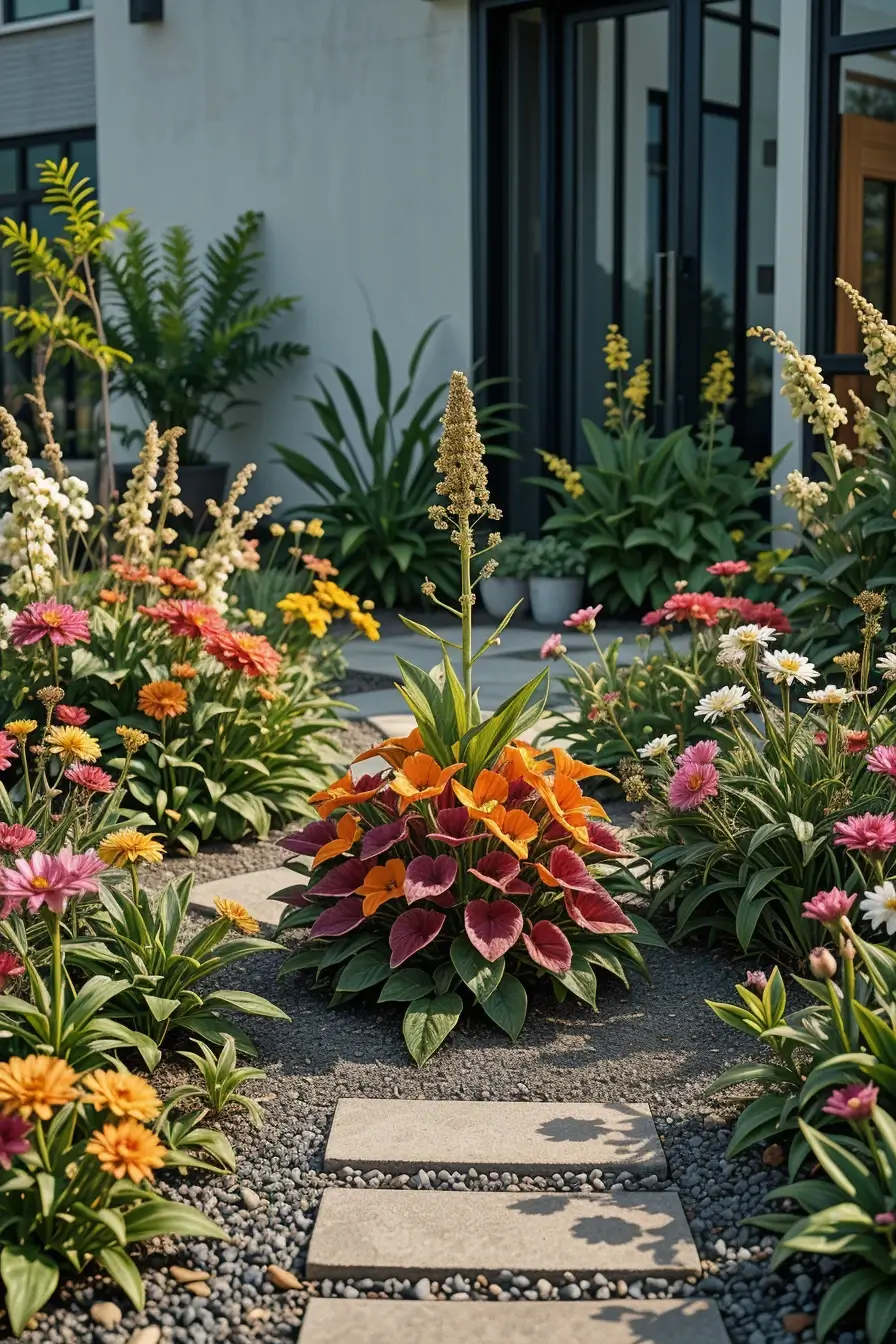
I place the hero plant centrally or along a primary axis, surrounding it with neutral supporting plants and restrained hardscaping. Seating, pathways, and sightlines all reinforce the focal point, ensuring the plant remains visually dominant.
From my experience, this strategy works best when the hero plant has a long visual season. Landscape designers quoted in Gardenista often advise choosing plants with strong structure and extended bloom periods, advice I consistently follow.
What I would still add here is interpretive lighting. A focused spotlight would highlight the hero plant at night and extend its presence beyond daylight hours.
27. Timeless Flower Garden Ideas Reimagined For 2026
Timeless flower gardens remain relevant by evolving subtly rather than dramatically. In 2026, I reinterpret classic layouts through modern materials, cleaner lines, and updated planting schemes.
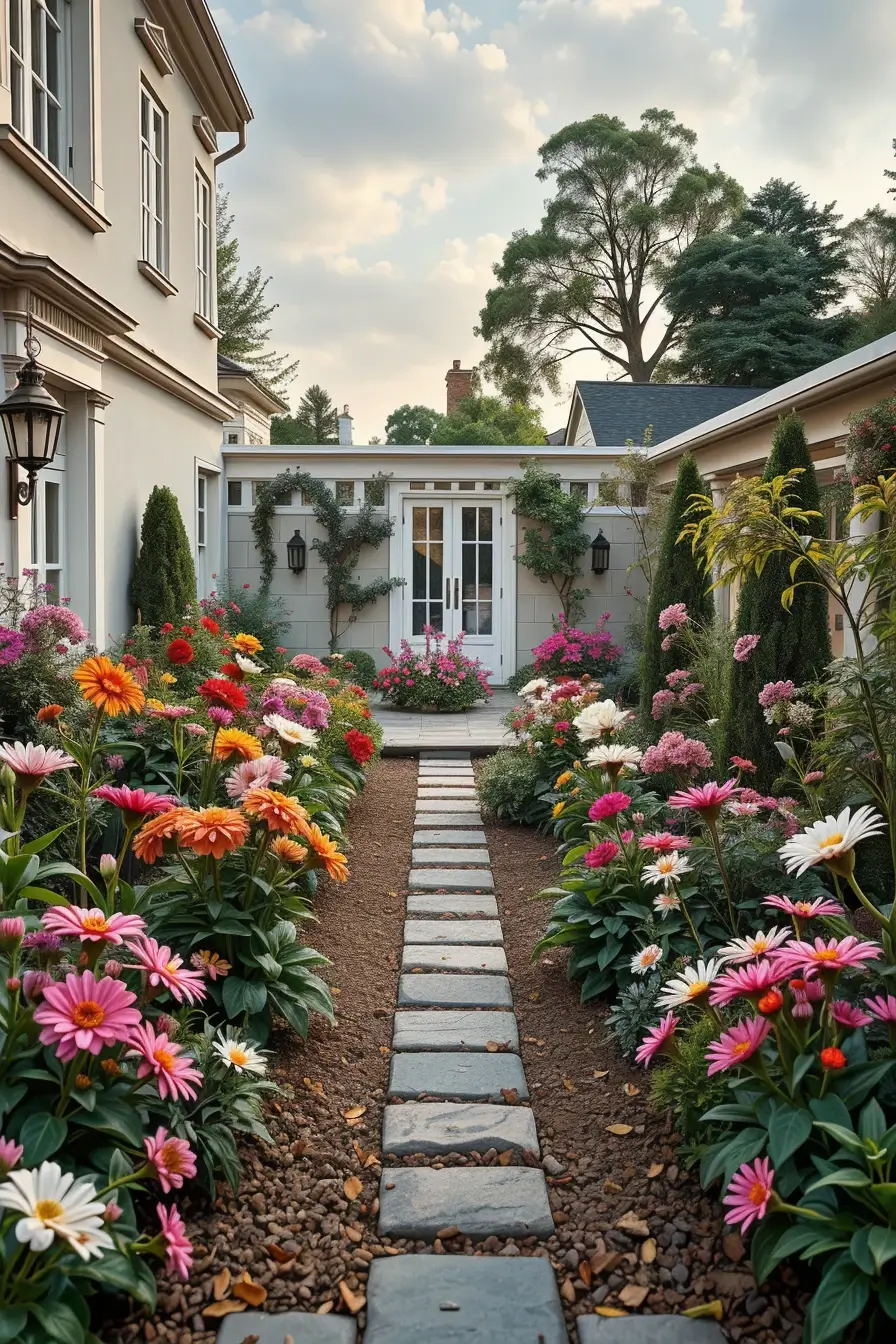
I retain symmetrical layouts, central axes, and balanced proportions while updating materials such as paving, planters, and seating. Flowers are selected for durability and extended bloom, ensuring practicality alongside elegance.
Personally, I believe timeless designs succeed when they respect tradition without copying it. Many designers featured in Veranda emphasize refinement over reinvention, a philosophy I apply when updating classic garden concepts.
To enhance this section, I would include flexible planting zones. These areas would allow seasonal updates without altering the core structure.
28. Future-Forward Flower Gardens That Set New Design Trends
Future-forward flower gardens represent where design is heading rather than where it has been. In Flower garden ideas 2026, these gardens integrate technology, sustainability, and bold aesthetics into one cohesive vision.
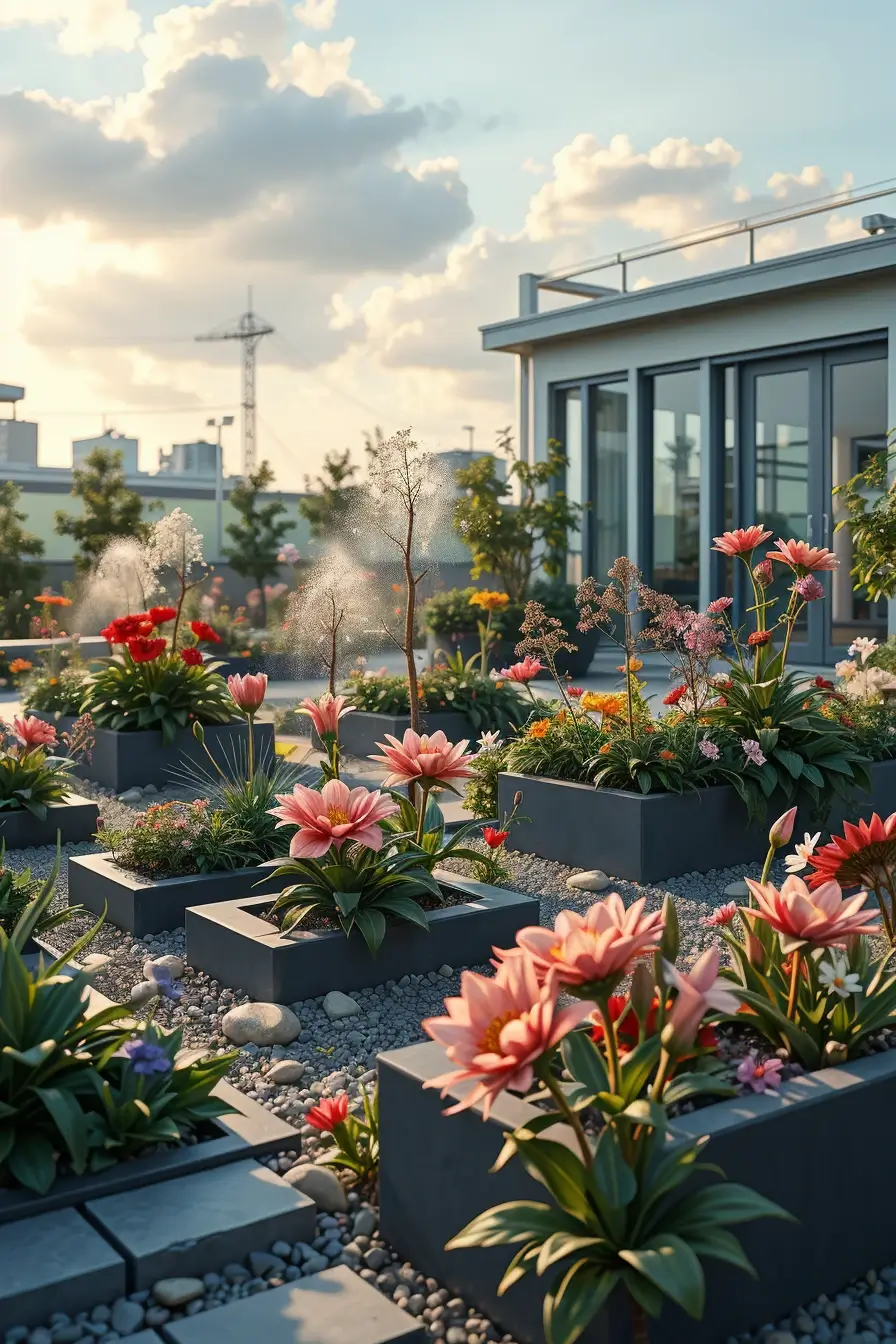
I include smart irrigation, climate-adaptive planting, and modular layouts that evolve over time. Materials are chosen for longevity and environmental responsibility, while flowers are selected for resilience and visual impact.
From my professional perspective, innovation must remain user-friendly. Designers writing for Fast Company frequently stress that future landscapes should simplify life rather than complicate it, a principle I fully support.
What I would still add is data-driven planning. Using soil sensors and growth tracking would refine maintenance and ensure the garden performs as designed.
Flower garden ideas for 2026 clearly show that outdoor spaces are becoming more intentional, expressive, and integrated with modern living. If any of these ideas inspired you or sparked new thoughts about your own garden, I invite you to share your perspective in the comments and join the conversation.