Outdoor Area Ideas For Kids 2026 reflect a new vision of how children play, explore, and connect with the world around them. Modern outdoor spaces are no longer limited to simple swings or slides—they are becoming imaginative environments where creativity, movement, and learning blend seamlessly. In 2026, outdoor areas for kids focus on thoughtful design, unique themes, and flexible layouts that adapt to different ages, interests, and play styles. From fairy-tale gardens and space-inspired zones to sea-themed adventures and sports-focused play areas, today’s outdoor spaces are designed to spark curiosity and encourage active, meaningful play.
This article explores the most exciting outdoor area ideas for kids in 2026, highlighting modern concepts, unusual designs, and creative themes that turn backyards, playgrounds, and shared spaces into unforgettable play environments. Whether you’re planning a small yard upgrade or a large outdoor project, these ideas will help you create a space where imagination grows, movement feels natural, and childhood memories are made.
1. The Future Of Outdoor Play Areas For Kids In 2026
I see the future of children’s outdoor spaces moving toward thoughtfully planned environments that balance technology, creativity, and physical activity. In 2026, outdoor areas are no longer just playgrounds but multifunctional zones where children learn social skills, develop motor abilities, and explore imaginative worlds. I focus on layouts that allow flexibility, safety zoning, and adaptability as children grow, making these spaces practical for long-term use.
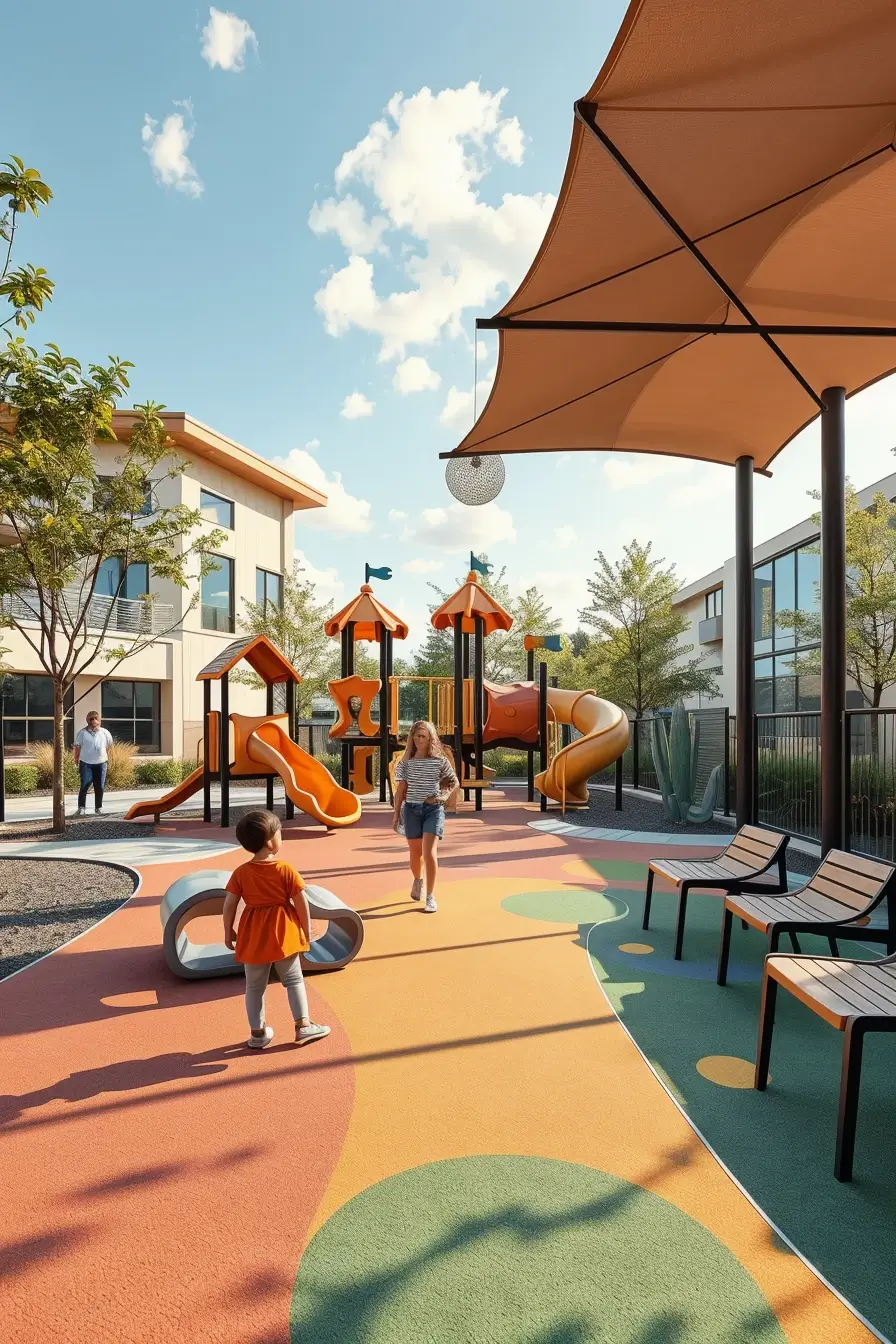
From my experience, modular structures, weather-resistant surfaces, and adaptive layouts form the foundation of future-ready outdoor areas. Shaded seating for supervision, open movement zones, and defined activity corners help create an organized yet playful environment. I always recommend durable furniture, soft-ground flooring, and smart lighting to extend usability throughout the day.
Professionals from organizations like the American Society of Landscape Architects emphasize that play environments should encourage independence while remaining safe. I fully agree with this approach, as well-designed outdoor areas empower children to explore freely without constant intervention, fostering confidence and creativity.
What I would still add to many future outdoor spaces is stronger integration of educational play elements, such as interactive panels or creative construction zones, which further support cognitive development alongside physical activity.
2. Smart Outdoor Playgrounds Designed For Modern Families
When I design smart outdoor playgrounds, I focus on creating spaces that respond to both children’s needs and family lifestyles. These areas combine digital-free play with subtle smart solutions like solar lighting, adaptive shading, and safety monitoring features. In my view, smart playgrounds in 2026 prioritize convenience, sustainability, and child-centered design.
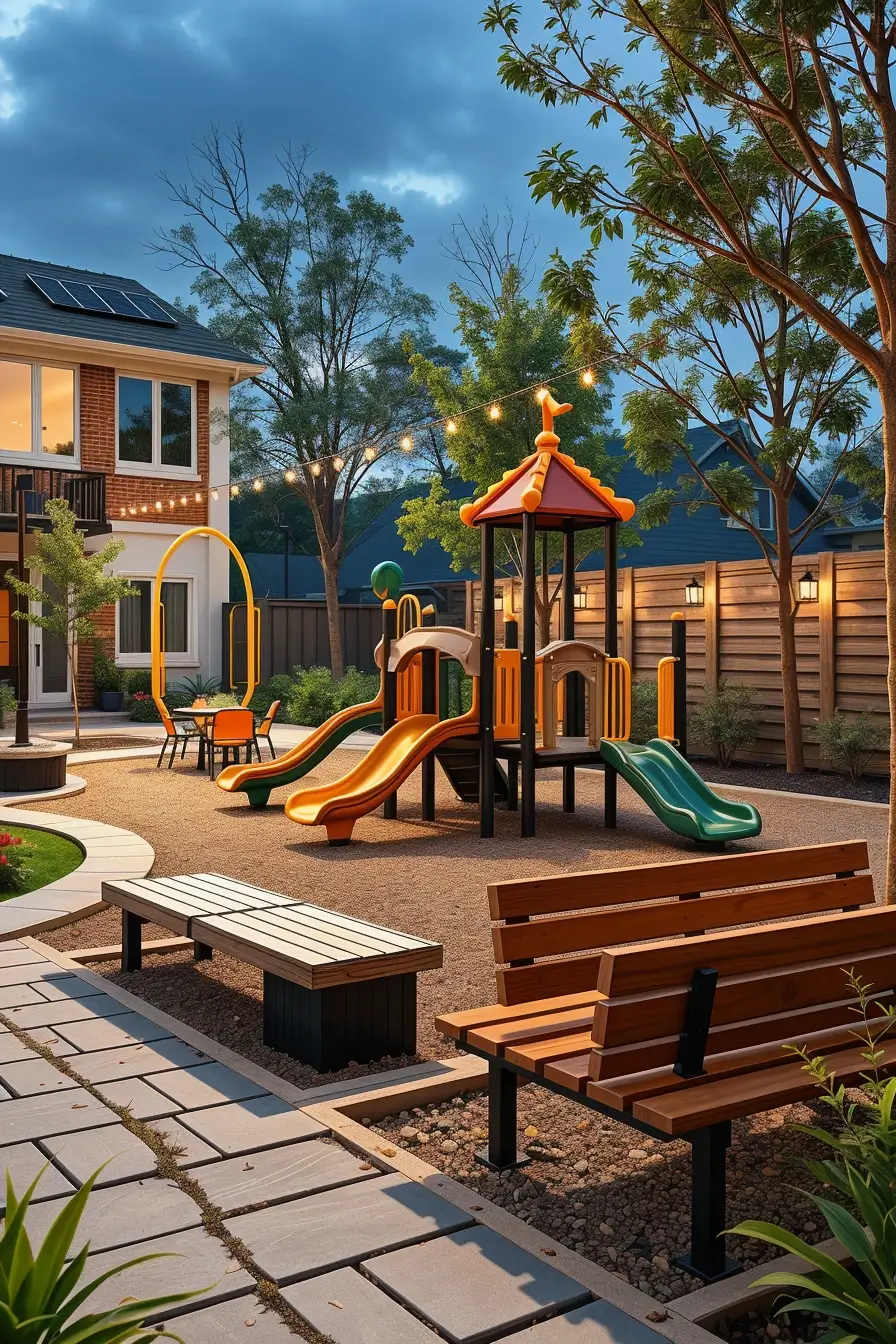
Key elements include motion-activated lights, modular play equipment, and seating zones with integrated charging stations for parents. I recommend weatherproof materials, smart storage benches, and flexible layouts that allow families to reconfigure the space depending on age or activity. Each item serves both function and aesthetics without overwhelming the environment.
Based on insights from child development experts featured in Parenting Magazine, structured yet flexible play spaces improve engagement and reduce overstimulation. I apply this principle by keeping technology supportive rather than dominant, ensuring children remain active and socially engaged.
What is often missing in smart playgrounds is intentional quiet zones. I suggest adding small retreat areas with soft seating or sensory walls where children can relax when they need a break.
3. Fairy-Tale Inspired Outdoor Areas For Imaginative Play
Fairy-tale inspired outdoor areas allow children to step into imaginative worlds where storytelling becomes part of daily play. I design these spaces to feel immersive without being visually overwhelming, using natural shapes, soft colors, and whimsical structures. In 2026, these designs balance fantasy with modern safety standards.
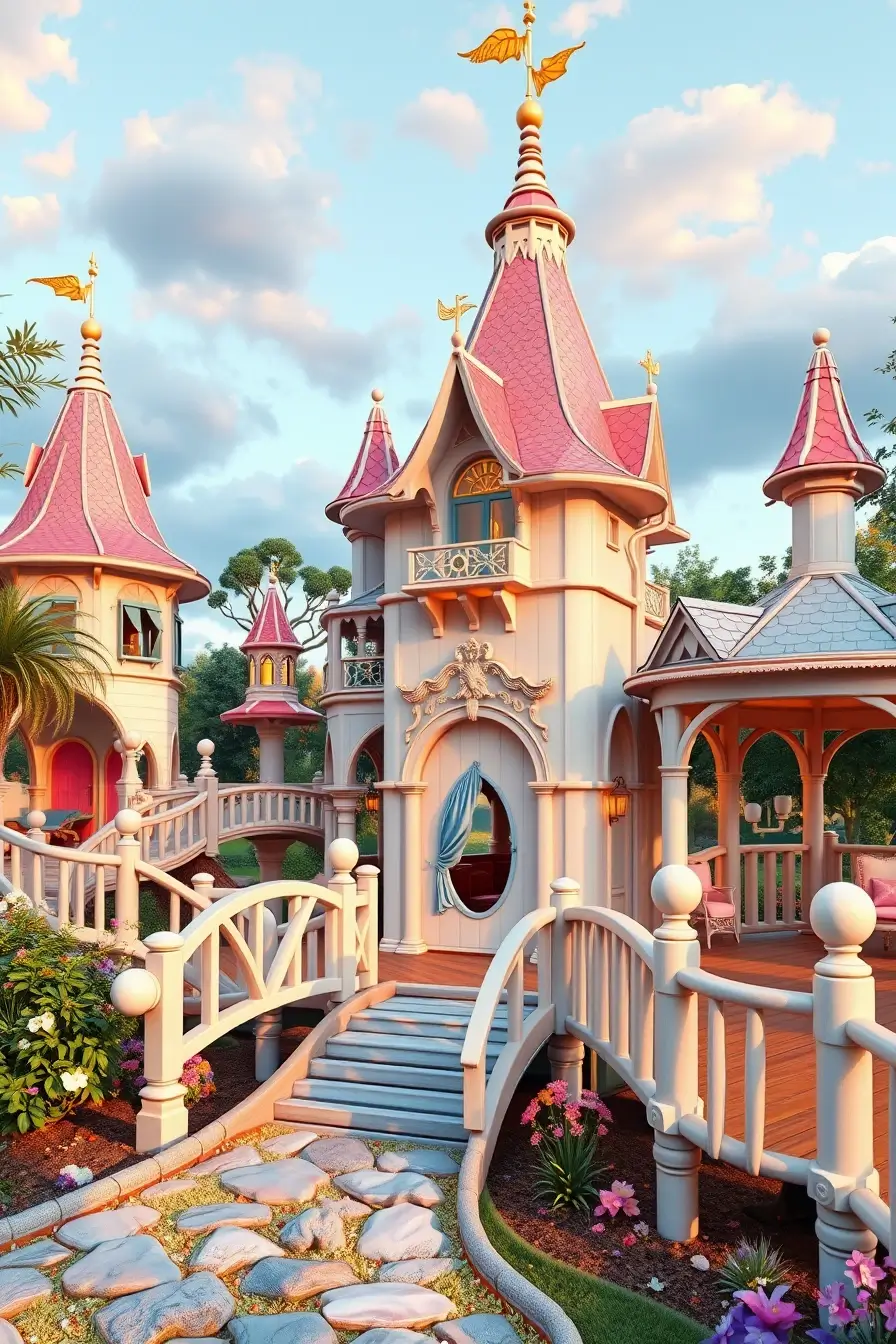
I often include castle-style playhouses, arched bridges, and themed climbing structures paired with wooden benches and hidden nooks. These elements encourage role play, cooperation, and creative storytelling. Each piece is selected to feel magical while remaining durable and weather-resistant.
Interior designers featured in Architectural Digest note that imaginative environments help children develop emotional intelligence. I’ve seen this firsthand when children use themed spaces to act out stories, solve conflicts, and express creativity through play.
To enhance these areas further, I recommend adding subtle lighting effects or sound elements that can transform the space during evening play without disrupting neighbors or overstimulating children.
4. Space-Themed Outdoor Areas For Young Explorers
Space-themed outdoor areas are ideal for curious children fascinated by science and exploration. I design these zones to spark curiosity while encouraging physical activity through climbing, balancing, and interactive play. In 2026, space themes are executed with sleek materials and modern layouts rather than cartoonish designs.
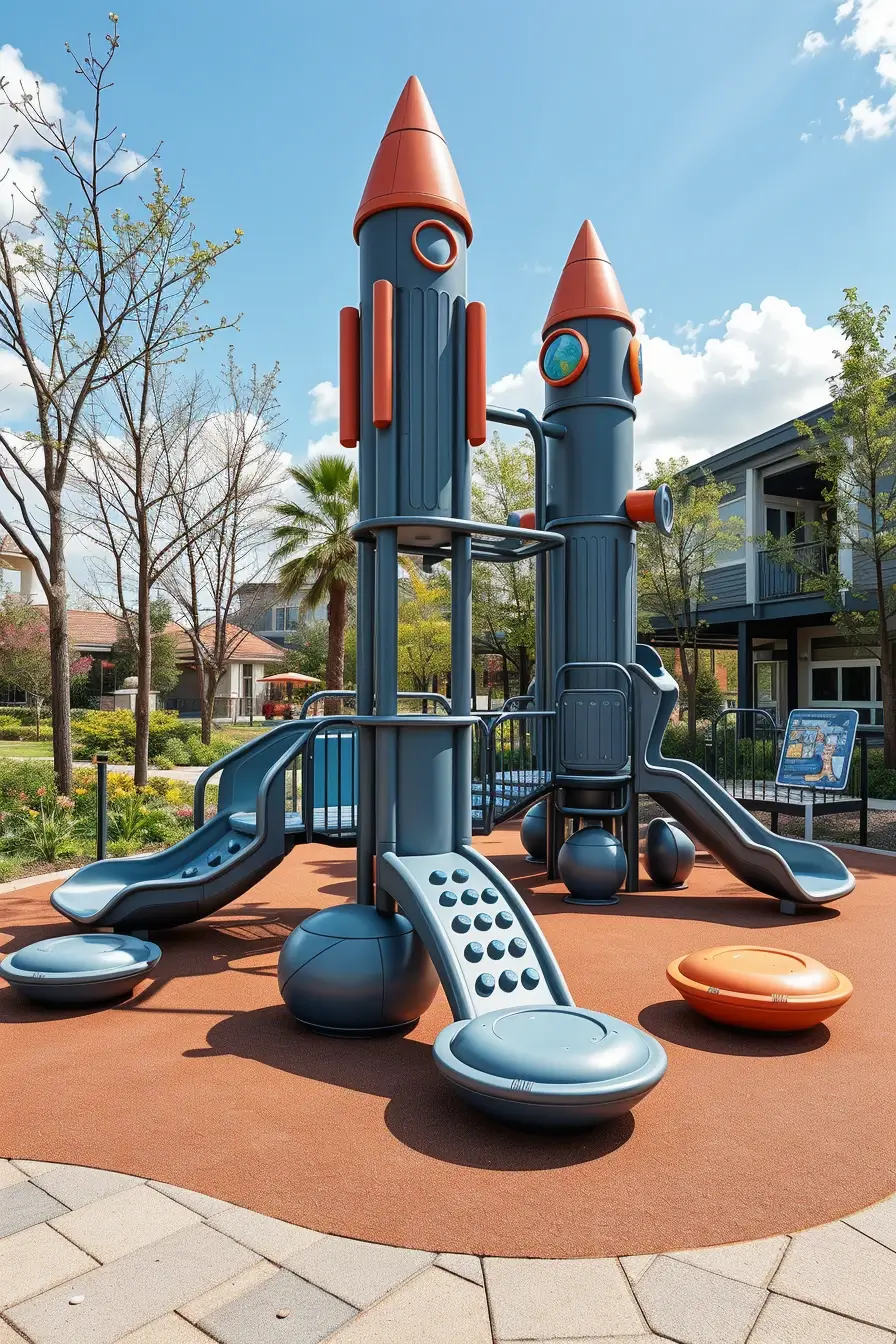
Essential features include rocket-shaped climbing frames, planet-themed stepping pads, and observation towers. I pair these with seating pods and shaded areas that resemble futuristic capsules, ensuring comfort and safety. Each item supports imaginative play while promoting coordination and strength.
STEM education experts often highlight the importance of play environments that encourage curiosity. I incorporate this advice by adding interactive panels with simple astronomy facts or space navigation games that blend learning with movement.
What I often find missing is tactile variety. I recommend incorporating different textures, such as rubberized surfaces and smooth metal accents, to enhance sensory engagement within the space theme.
5. Sea And Ocean-Inspired Outdoor Play Zones For Kids
Ocean-inspired outdoor play zones create calming yet engaging environments that mimic the movement and rhythm of the sea. I approach these designs with flowing layouts, soft color palettes, and rounded forms that naturally guide movement. In 2026, these areas emphasize relaxation alongside active play.
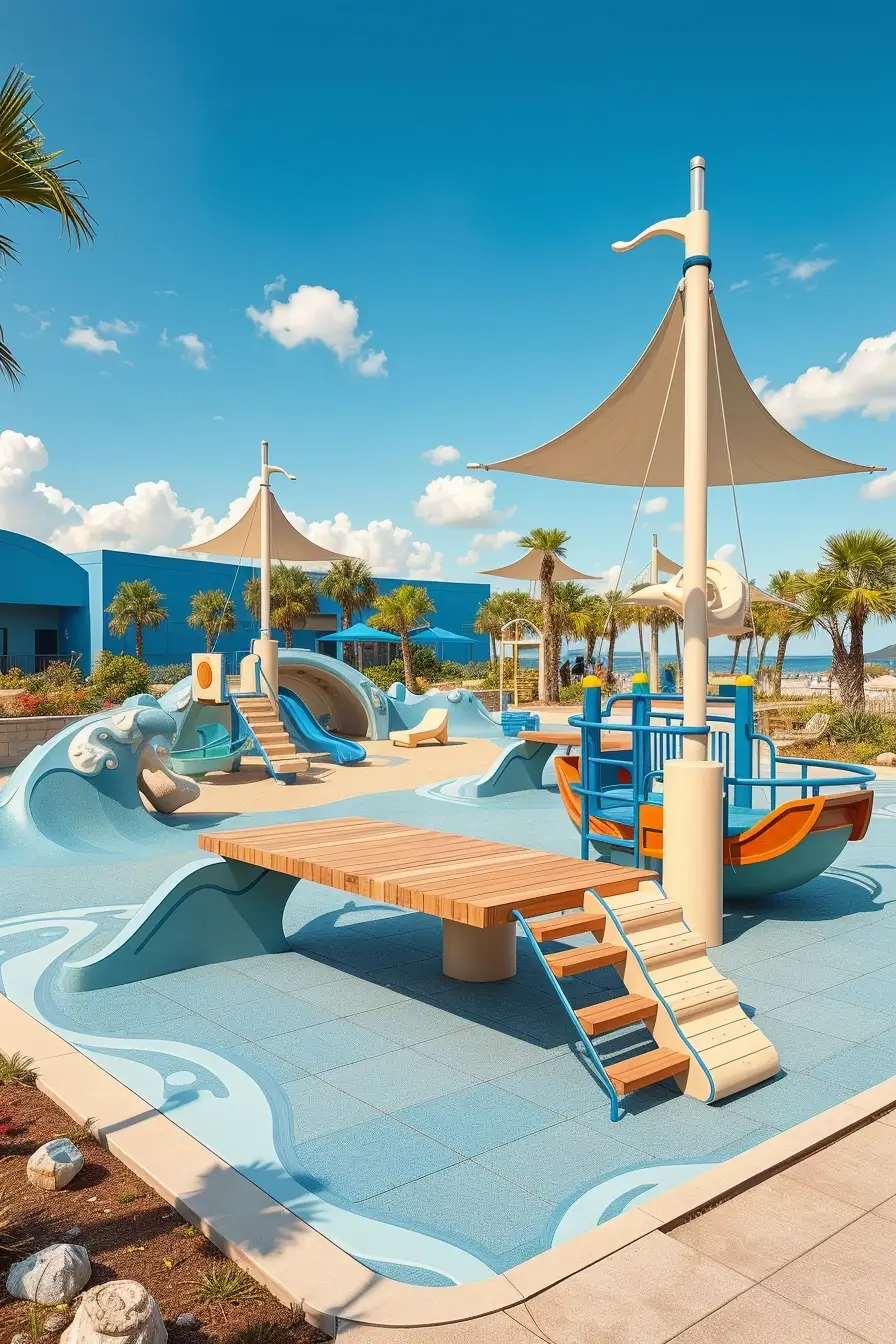
I include wave-shaped climbing structures, boat-style play platforms, and shaded canopies resembling sails. Benches with curved edges and textured flooring help reinforce the theme while maintaining safety. Each element contributes to a cohesive, immersive experience.
Design experts from Coastal Living often stress the psychological benefits of nature-inspired environments. I’ve observed that ocean-themed spaces help children feel more relaxed while remaining physically active, especially in high-energy households.
To improve these zones, I suggest adding interactive water elements that are controlled and safe, allowing children to engage with water play without creating maintenance challenges.
6. Sports-Focused Outdoor Areas That Encourage Active Play
Sports-focused outdoor areas are essential for promoting healthy movement habits in children. I design these spaces to support multiple activities while avoiding a competitive atmosphere that may discourage some children. In 2026, inclusivity and adaptability define modern sports play areas.
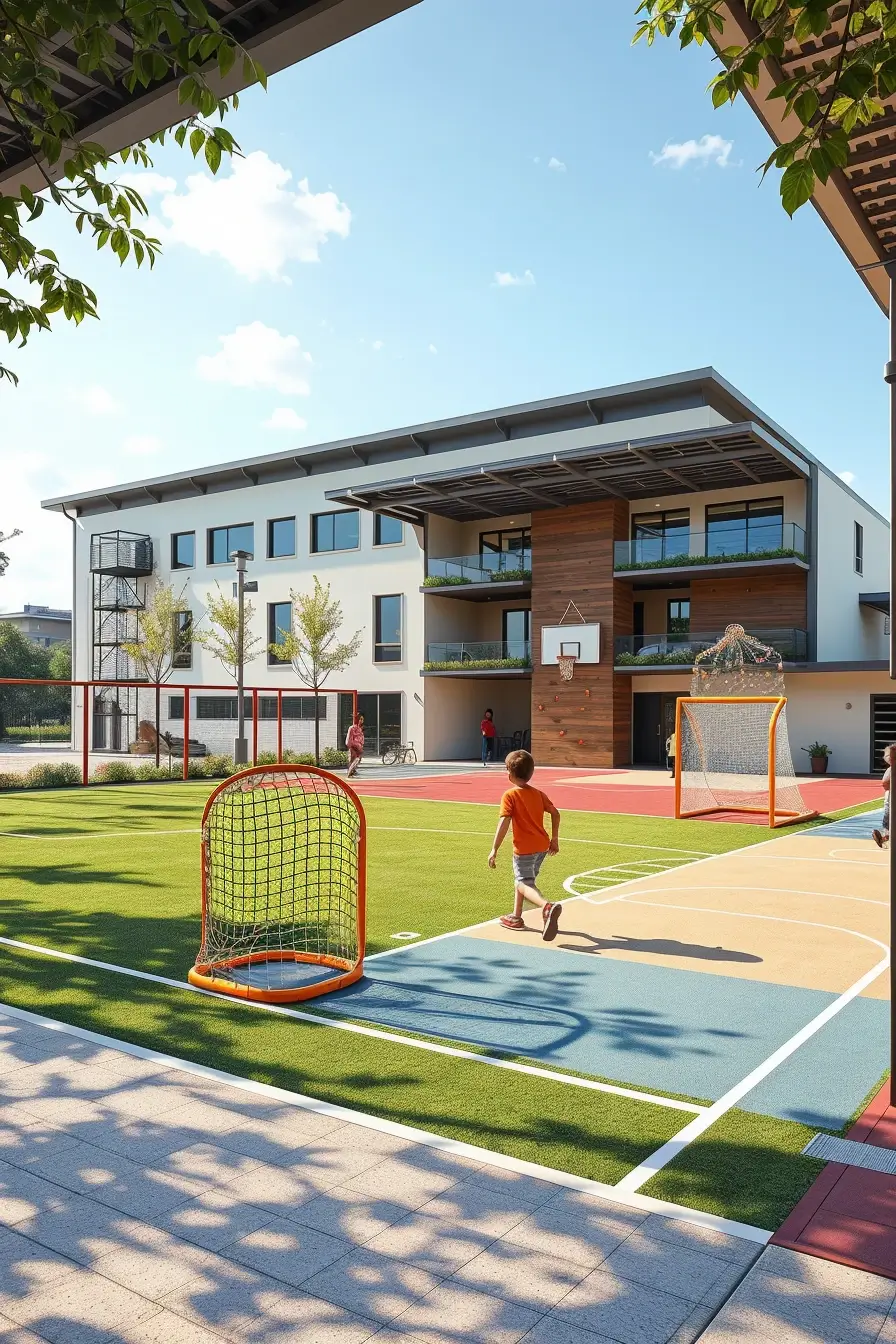
I recommend multi-use courts, adjustable goal systems, climbing walls, and open turf areas. Seating for rest breaks, storage for equipment, and clear boundaries help maintain organization. Each component is selected to support strength, coordination, and teamwork.
According to pediatric health specialists cited by the American Academy of Pediatrics, regular physical activity improves concentration and emotional well-being. I design sports areas that invite spontaneous movement rather than structured drills, keeping play enjoyable.
What I often add is a balance-focused zone with stepping stones or low beams, ensuring children who prefer non-competitive play also feel included.
7. Nature-Integrated Outdoor Areas Blending Play And Landscape
Nature-integrated outdoor areas blur the line between play and landscape, creating environments that feel organic and calming. I prioritize layouts that follow the natural terrain, using existing trees, slopes, and greenery as part of the design. In 2026, these spaces emphasize sustainability and sensory connection.
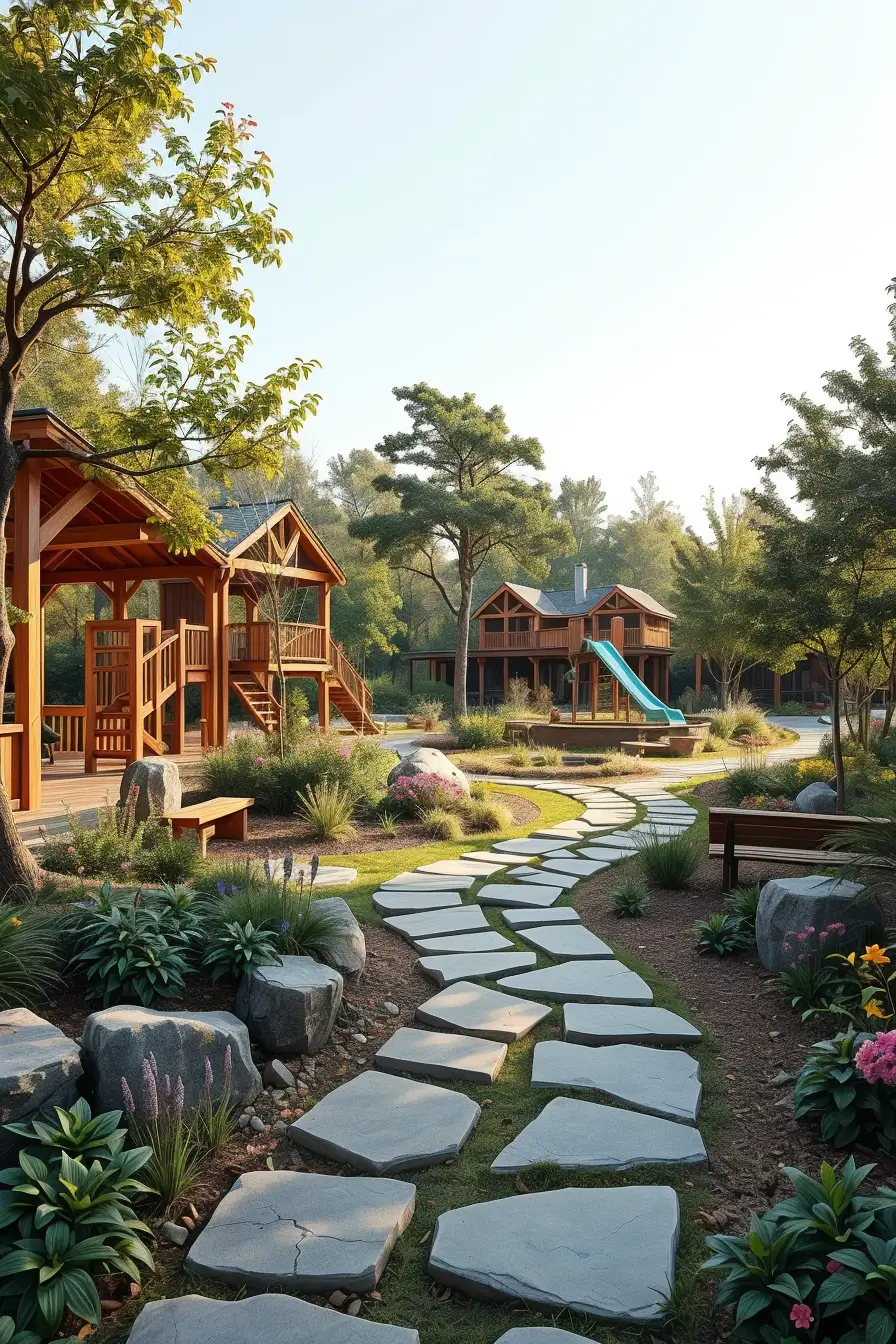
Natural wood structures, stone paths, and planted borders form the backbone of these designs. I include log seating, garden play zones, and shaded exploration paths that encourage curiosity. Each feature supports imaginative and physical play without dominating the landscape.
Landscape architects frequently highlight the benefits of biophilic design for children. I fully support this approach, as I’ve seen how natural environments help children regulate emotions and develop respect for nature.
To strengthen these areas, I recommend adding small gardening zones or nature observation stations, allowing children to interact directly with their environment.
8. Minimalist And Modern Outdoor Areas For Kids
I design minimalist outdoor areas for kids with a strong focus on clarity, safety, and long-term usability. In 2026, minimalist design helps reduce visual noise while allowing children to focus on movement, interaction, and creativity. These spaces rely on clean lines, open layouts, and a balanced combination of play and rest zones that feel calm yet engaging.
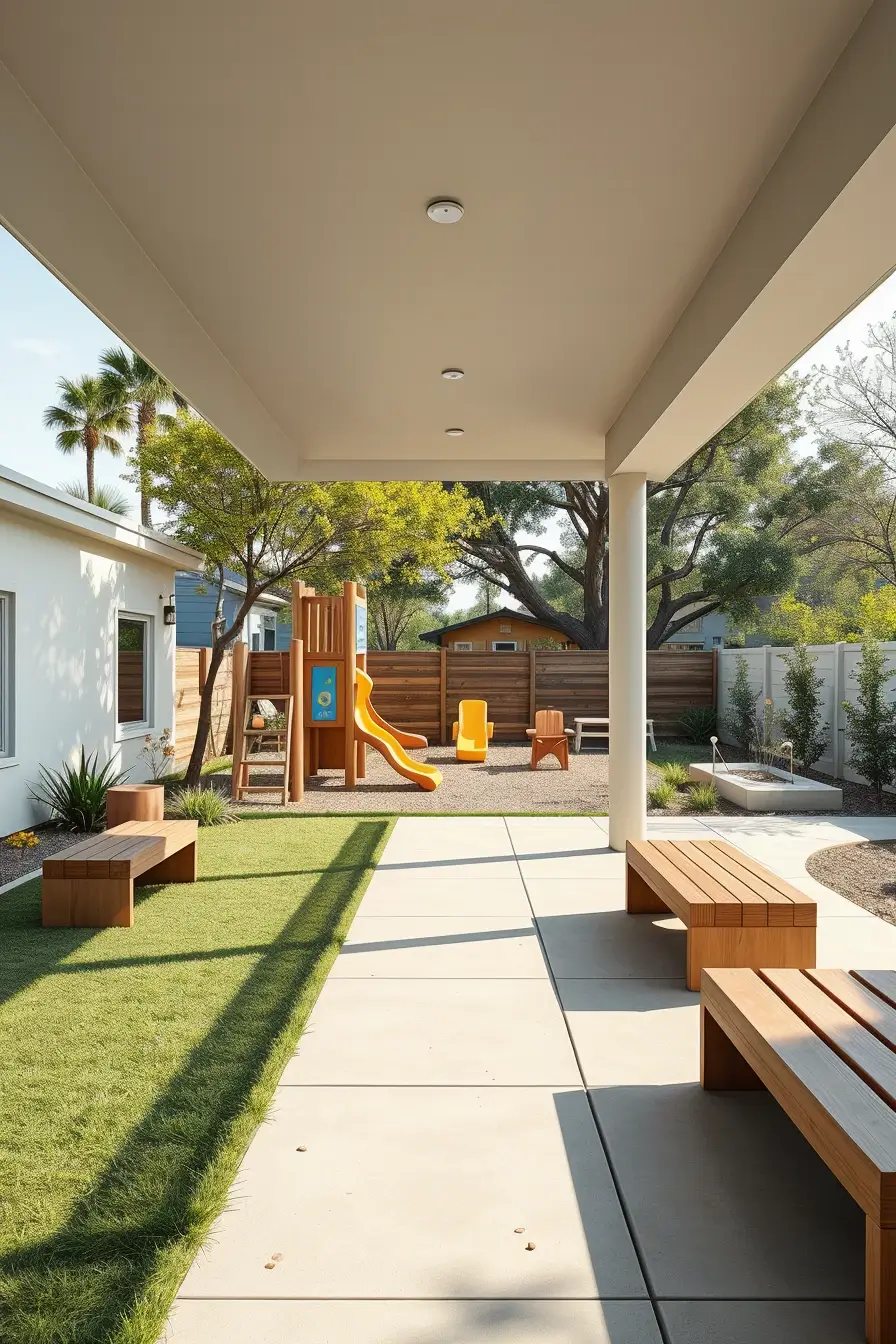
I usually include low-profile climbing structures, neutral-toned seating, and integrated storage benches that blend seamlessly into the environment. Rubberized flooring in soft, natural colors supports safety without distracting from the design. Each item is intentionally selected to serve multiple functions while maintaining a cohesive, modern look.
From my experience, minimalist environments encourage deeper concentration and longer play sessions. Designers featured in Dwell often emphasize that simplicity supports better cognitive engagement in children, and I consistently see this reflected in how kids interact with uncluttered outdoor spaces.
What I often add to minimalist areas is subtle contrast, such as textured walls or geometric ground patterns, to keep the space visually interesting without breaking the overall simplicity.
9. Interactive Outdoor Areas With Sensory Play Elements
Interactive outdoor areas with sensory elements are essential for supporting children’s cognitive and emotional development. I approach these spaces by designing zones that stimulate touch, sound, movement, and balance in a controlled, thoughtful way. In 2026, sensory play is integrated seamlessly into modern outdoor design rather than appearing as separate installations.
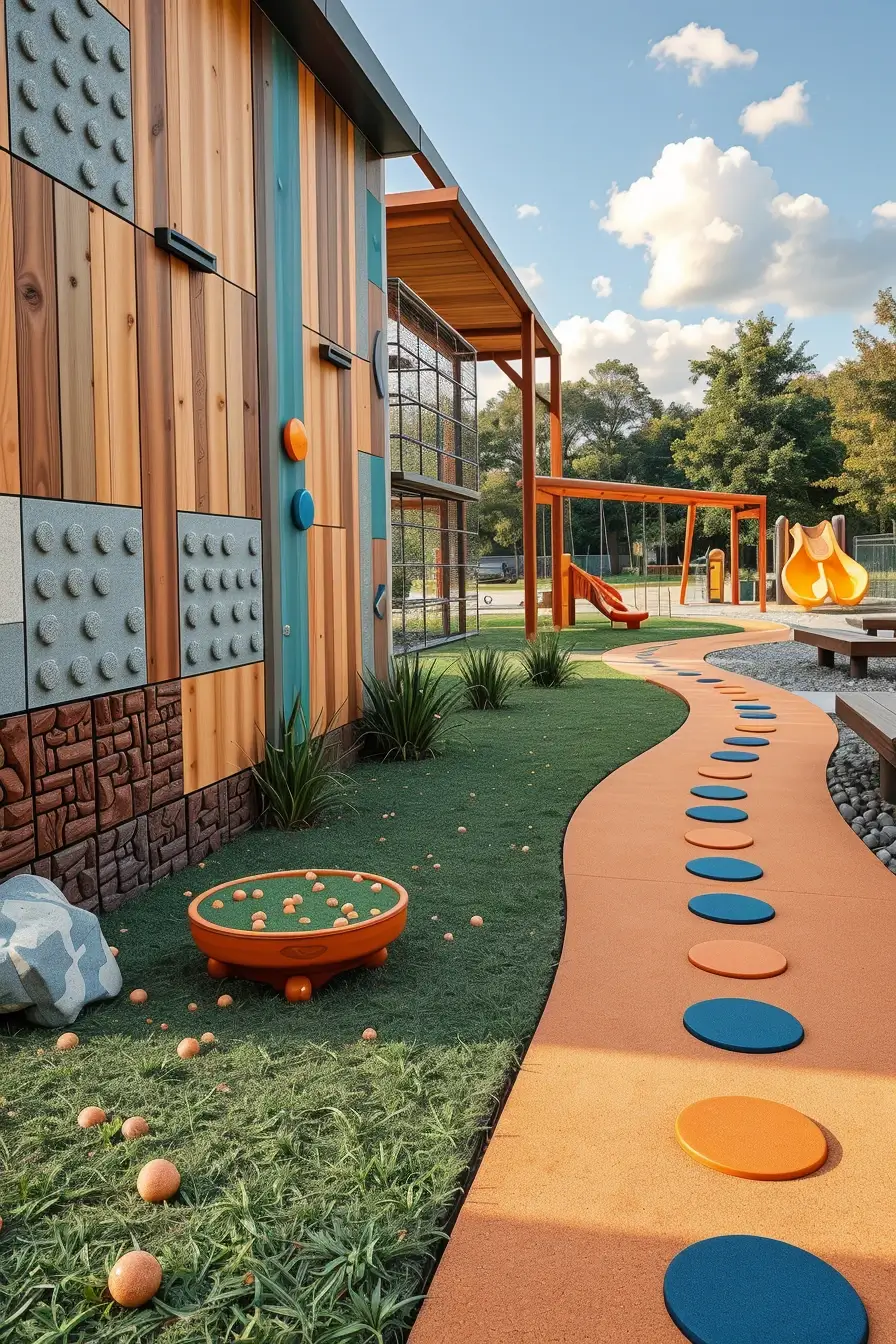
Key elements include textured panels, sound-producing features, balance paths, and soft seating areas for calm interaction. I carefully position each component so children can move naturally from one sensory experience to another without feeling overwhelmed. Materials are chosen for durability, safety, and tactile variety.
Child development specialists frequently note that sensory play improves focus and emotional regulation. I’ve personally observed that children who engage with these areas often show increased confidence and curiosity during playtime.
To enhance these spaces further, I recommend incorporating adjustable elements that allow caregivers to modify sensory intensity based on age or individual needs.
10. Themed Adventure Parks For Backyard Outdoor Areas
Themed adventure parks transform backyard spaces into immersive environments that support exploration and storytelling. I design these areas to feel expansive even in limited spaces by using layered layouts and vertical play elements. In 2026, backyard adventure zones are designed to rival public playgrounds in quality and creativity.
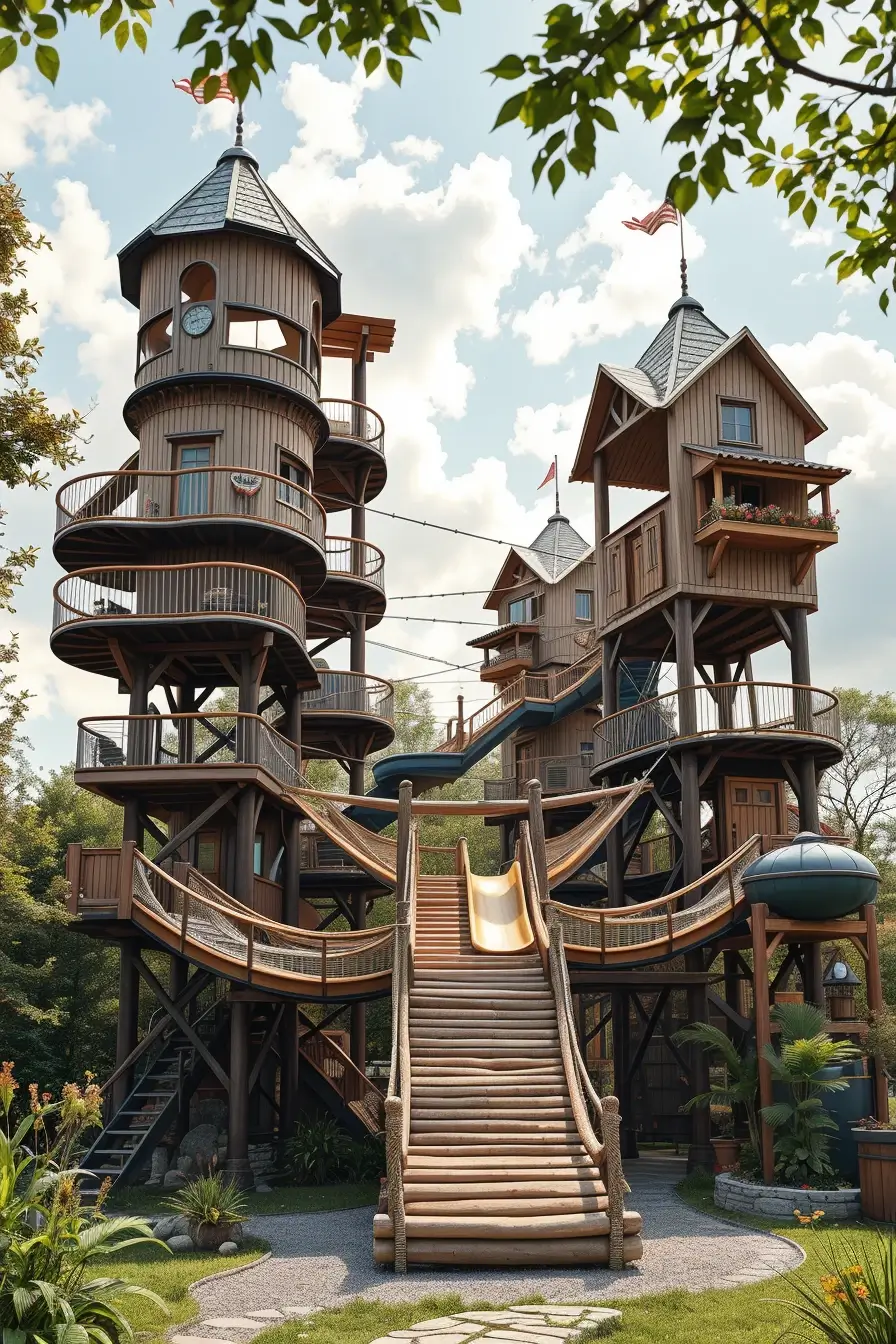
I include rope bridges, climbing towers, slides, and lookout platforms arranged in a cohesive theme. Seating zones for rest and supervision are integrated naturally into the design. Each element encourages physical challenge while remaining accessible and safe.
According to landscape designers featured in Better Homes and Gardens, adventure-style play improves problem-solving and resilience. I align with this perspective by creating environments that invite children to test their abilities at their own pace.
What is often missing is weather adaptability. I recommend adding shade sails or retractable covers to ensure year-round usability of backyard adventure areas.
11. Eco-Friendly Outdoor Areas For Kids In 2026
Eco-friendly outdoor areas reflect a growing awareness of sustainability and environmental responsibility. I design these spaces to educate children through experience, using natural materials and environmentally conscious layouts. In 2026, eco-friendly design is both practical and visually refined.
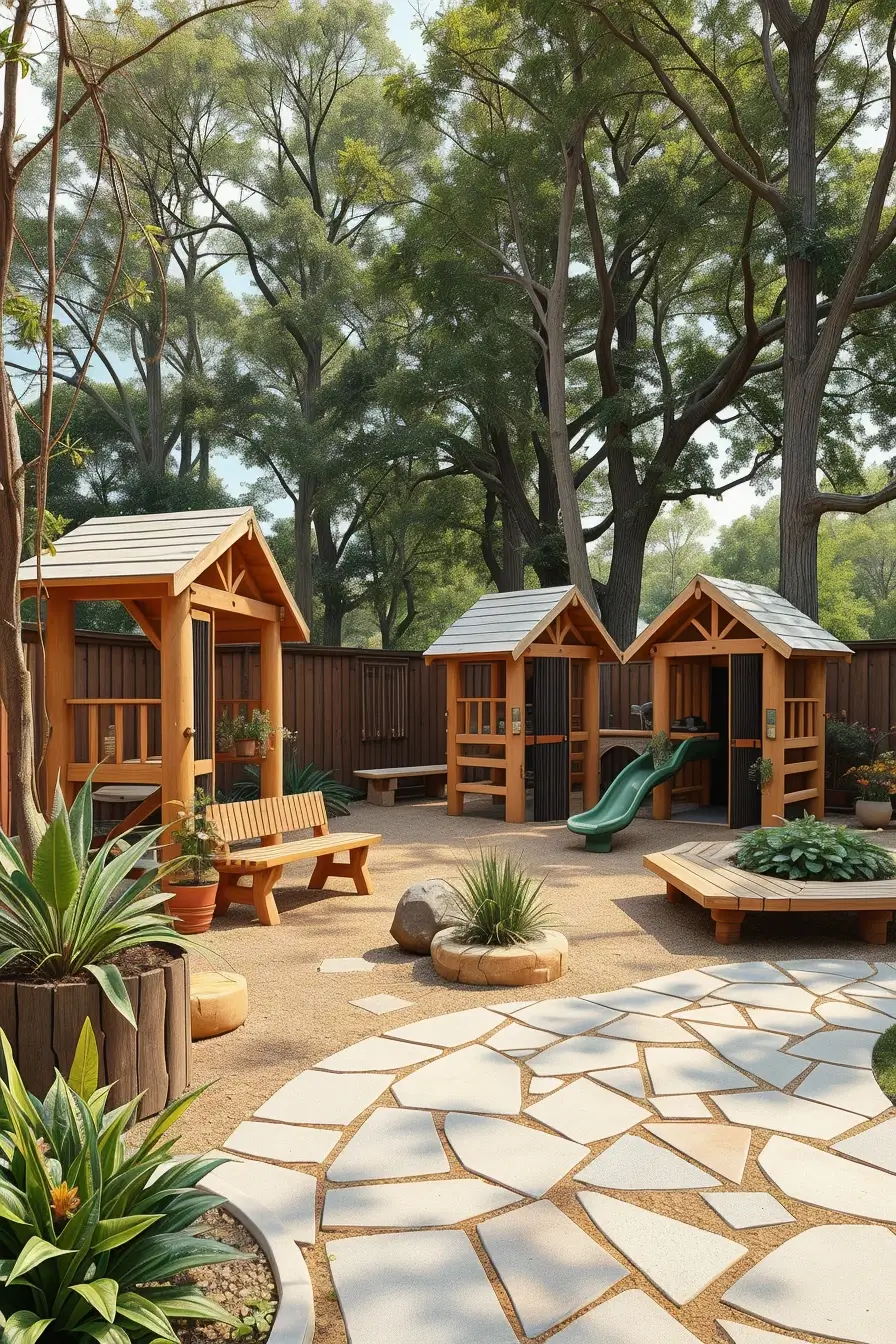
I prioritize recycled materials, natural wood structures, permeable flooring, and native plantings. Rainwater collection features and shaded green zones help regulate temperature and reduce environmental impact. Each design choice supports sustainability without compromising play value.
Sustainability experts frequently emphasize the importance of early exposure to eco-conscious environments. I’ve seen how children naturally develop respect for nature when play areas reflect environmental care.
To strengthen eco-friendly spaces, I suggest adding simple educational signage or interactive elements that explain sustainable features in a child-friendly way.
12. Fantasy Castle And Medieval-Inspired Outdoor Areas
Fantasy castle and medieval-inspired outdoor areas invite children into imaginative worlds of knights, explorers, and legends. I design these spaces to feel immersive while maintaining modern safety standards. In 2026, fantasy themes are executed with refined materials and thoughtful layouts.
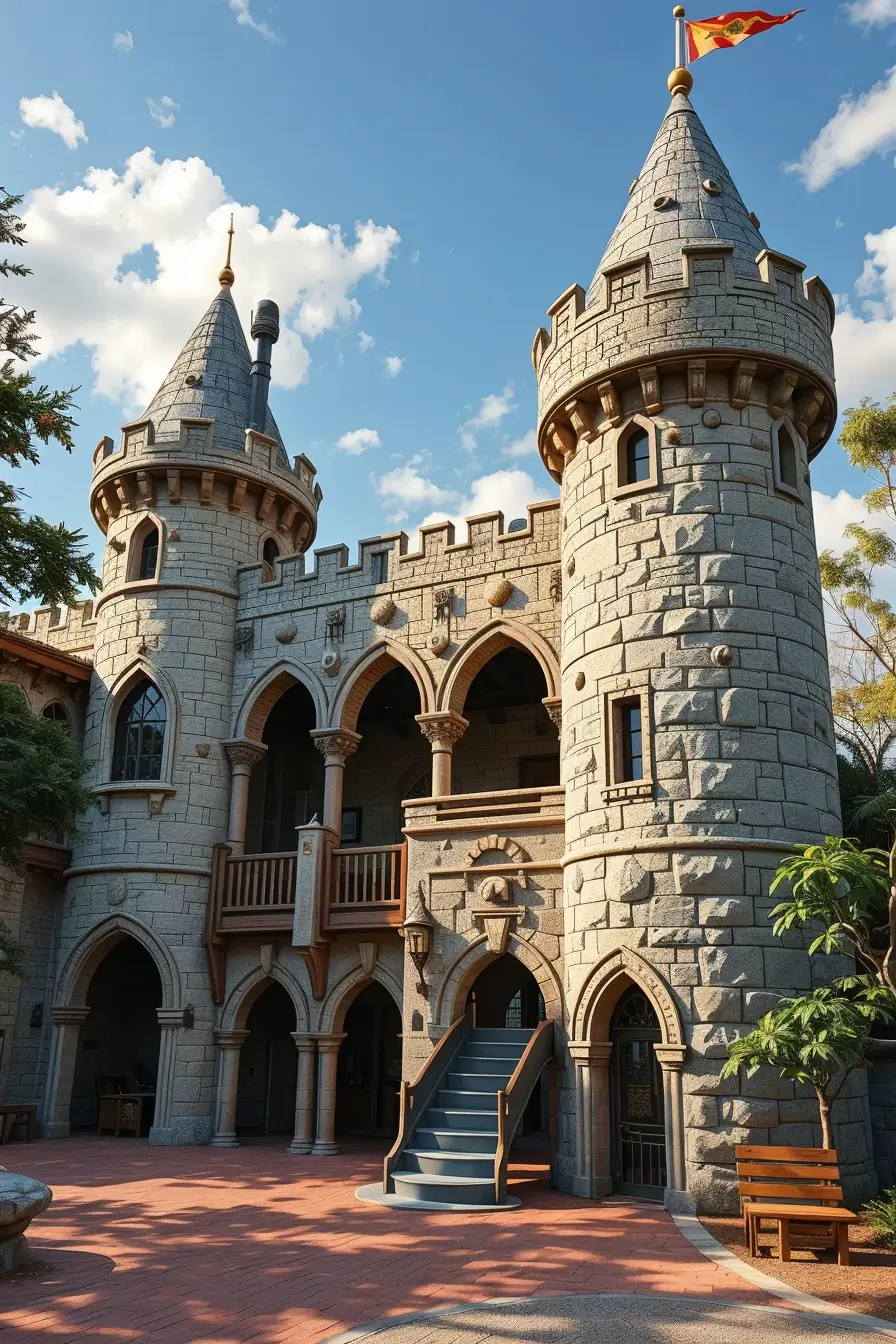
I include stone-textured play towers, arched entryways, climbing walls, and hidden passageways. Wooden benches and shaded observation points complete the setting. Each element supports imaginative role play while encouraging movement and cooperation.
Design professionals often highlight that themed environments support social interaction through shared narratives. I’ve observed that children naturally collaborate and communicate more in fantasy-based outdoor areas.
What I often add is subtle lighting to enhance atmosphere during evening play while maintaining safety and visibility.
13. Jungle And Safari Outdoor Areas For Kids
Jungle and safari outdoor areas create dynamic environments that promote exploration and physical engagement. I design these spaces with layered visuals and varied terrain to mimic natural adventure settings. In 2026, jungle-themed areas balance excitement with order and safety.
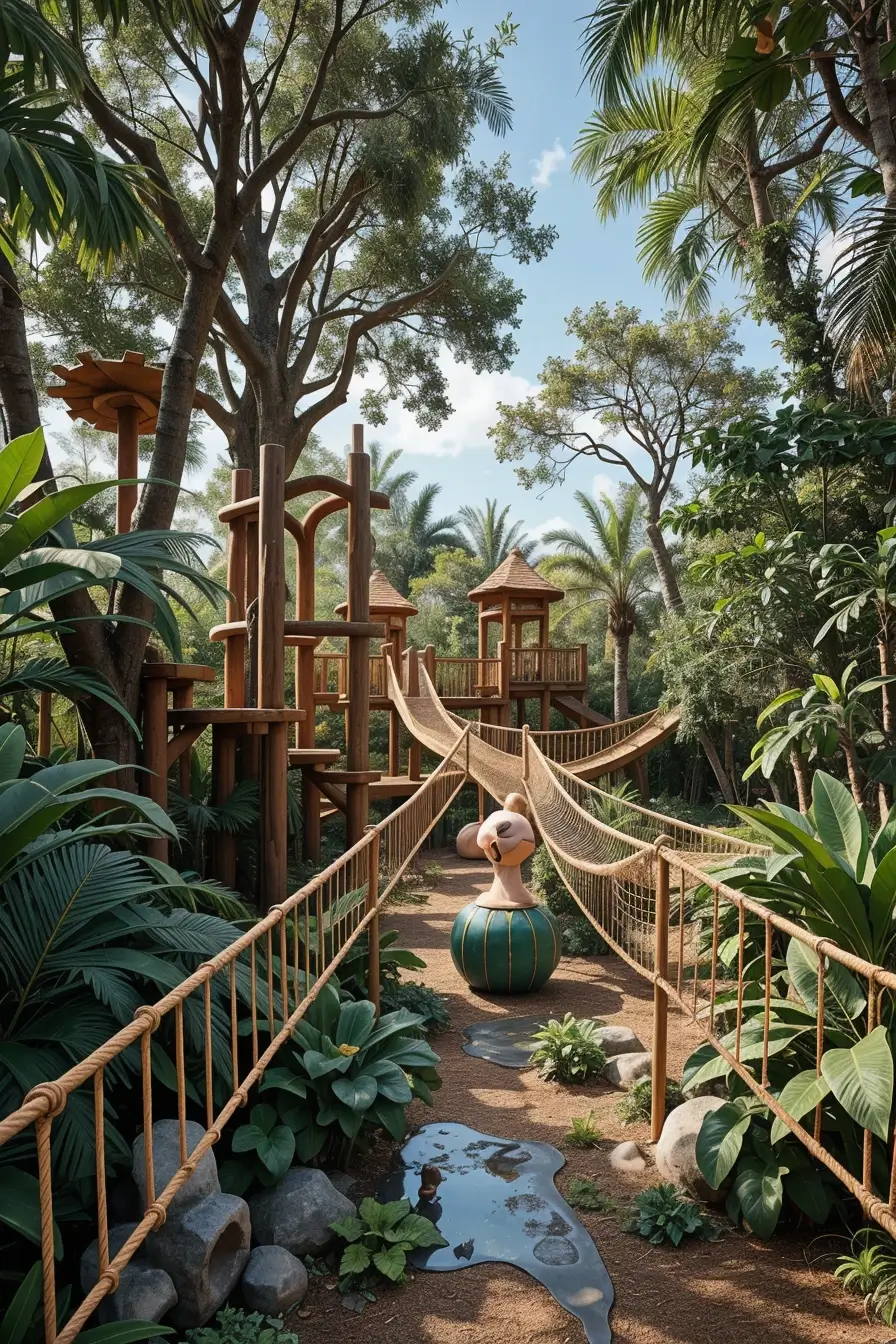
I typically include climbing nets, rope bridges, animal-inspired structures, and shaded hideaway zones. Ground textures vary to encourage sensory engagement while remaining safe. Each element supports active play and imaginative exploration.
Experts from National Geographic Kids often emphasize the value of nature-inspired play for curiosity and learning. I see this reflected in how children interact with jungle-themed spaces, often inventing games and stories organically.
To improve these areas, I recommend adding observation platforms or themed markers that encourage discovery-based play.
14. Water Play Outdoor Areas With Modern Design Solutions
Water play outdoor areas are increasingly popular as families look for engaging ways to combine fun and cooling elements. I design these spaces with controlled water features that prioritize safety, cleanliness, and modern aesthetics. In 2026, water play is integrated seamlessly into outdoor layouts.
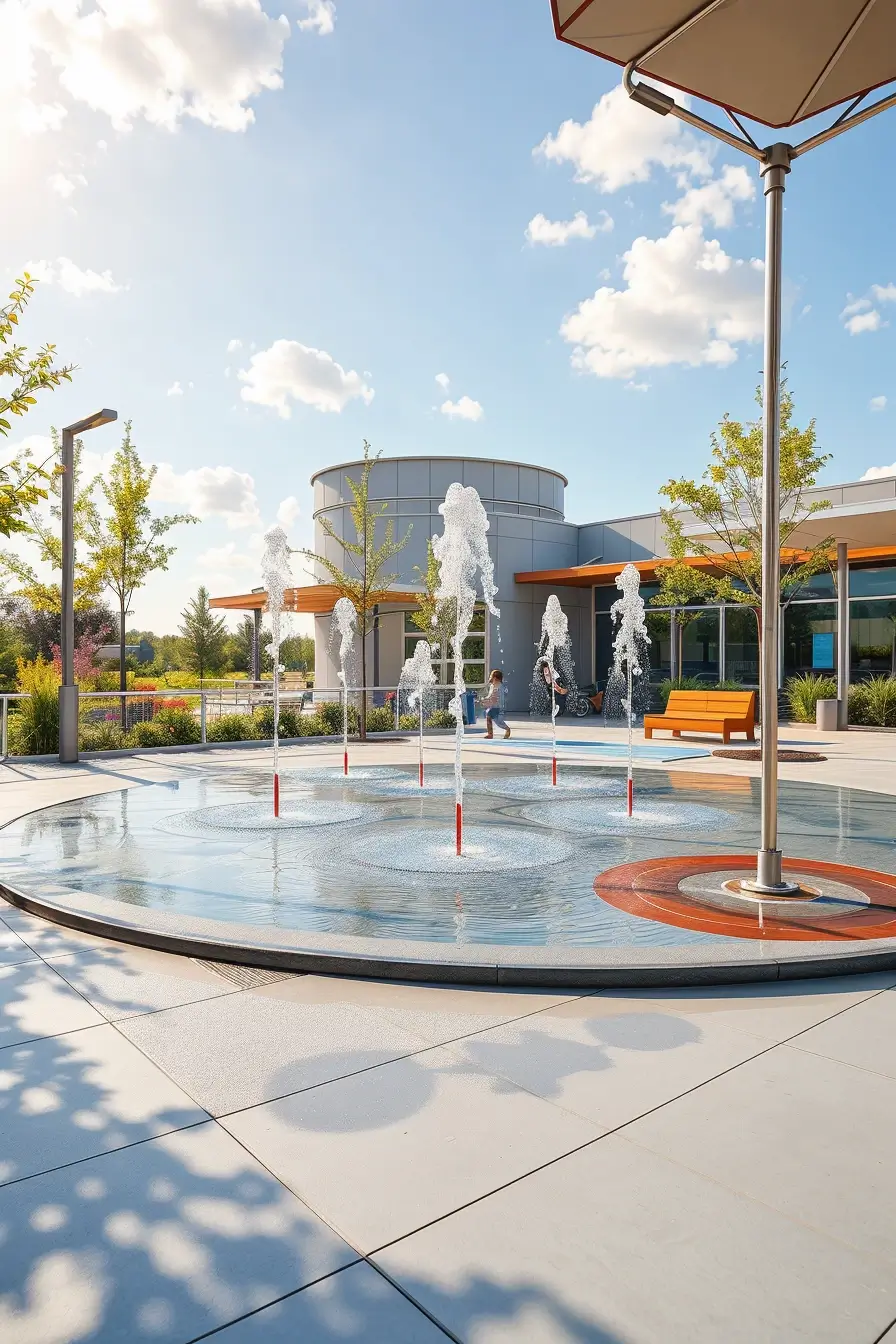
I include splash pads, interactive fountains, non-slip surfaces, and nearby seating zones. Drainage systems and shaded areas are carefully planned to maintain comfort and hygiene. Each element is chosen to ensure ease of maintenance and long-term usability.
According to child safety experts, structured water play supports motor skills while teaching cause-and-effect relationships. I’ve found that well-designed water areas quickly become focal points for family outdoor spaces.
What I often add is adjustable water intensity controls, allowing parents to tailor the experience to different age groups.
15. Multi-Age Outdoor Areas Designed For Growing Kids
I approach multi-age outdoor areas as flexible environments that adapt as children grow, rather than spaces designed for a single stage. In outdoor area ideas for kids 2026, this means zoning the yard into activity-based areas where toddlers, school-age children, and teens can all find something engaging without competing for space. I focus on durability, safety, and smooth transitions between play, rest, and learning zones.
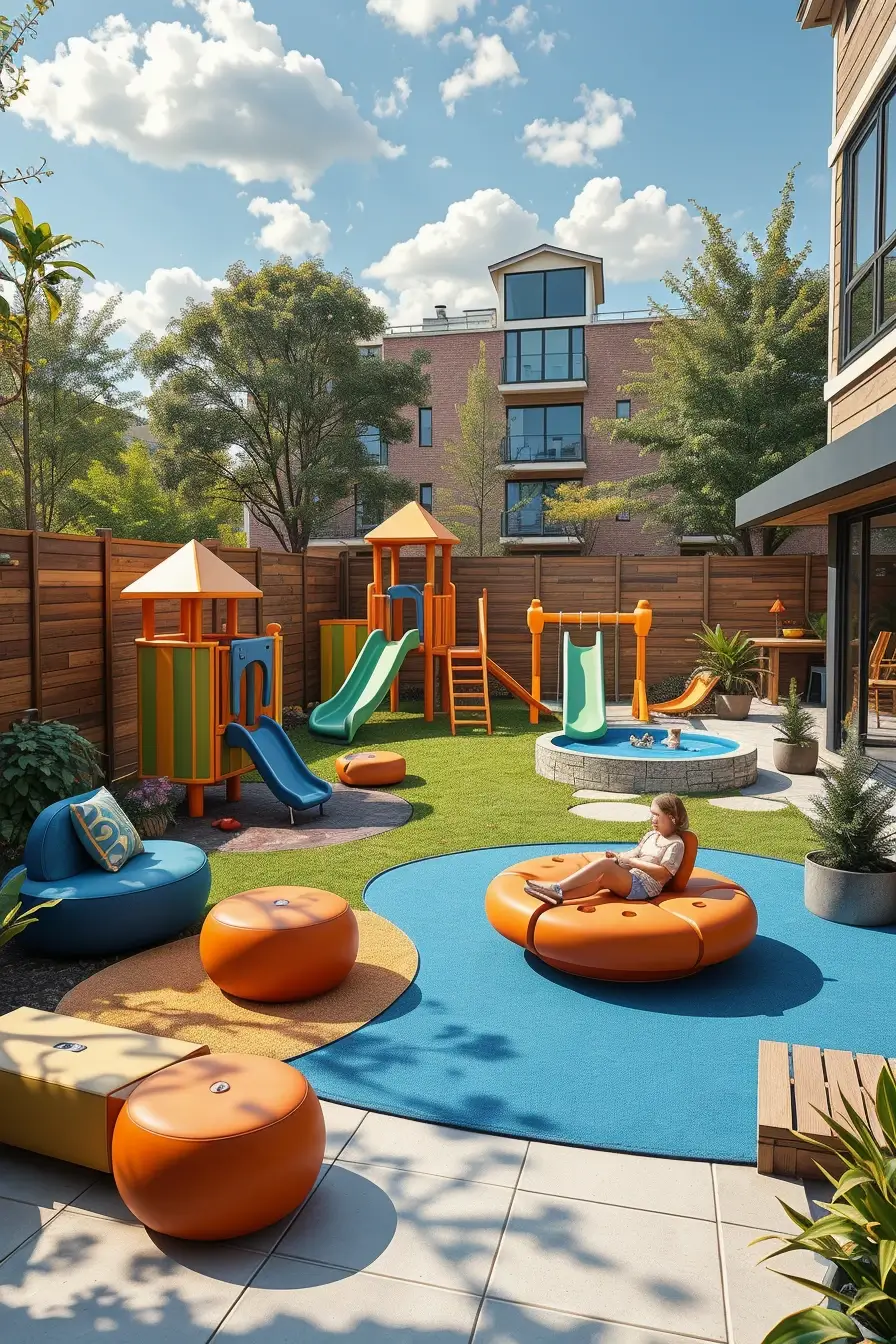
When selecting furniture and structures, I rely on adjustable elements such as height-adaptable climbing frames, modular seating, and open lawn sections for free play. I often include low platforms for younger kids, balanced with more challenging features like angled climbing walls or rope structures for older children. Each element earns its place by offering long-term usability rather than short-lived novelty.
From my experience, designers featured in Architectural Digest and Better Homes and Gardens emphasize that longevity is the real luxury in family outdoor design. I agree with this approach and always recommend investing in neutral, well-built core pieces that can be refreshed with accessories as children’s interests evolve.
What I would add to this type of space is clearer visual guidance for different age zones, such as subtle ground texture changes or color accents, to help kids intuitively understand how to use the area safely and independently.
16. Creative DIY Outdoor Areas With A Modern Twist
I see modern DIY outdoor areas as a chance to personalize play spaces while keeping them visually cohesive and practical. For outdoor area ideas for kids 2026, I focus on clean lines, natural materials, and hands-on features that encourage problem-solving and creativity rather than overstimulation.
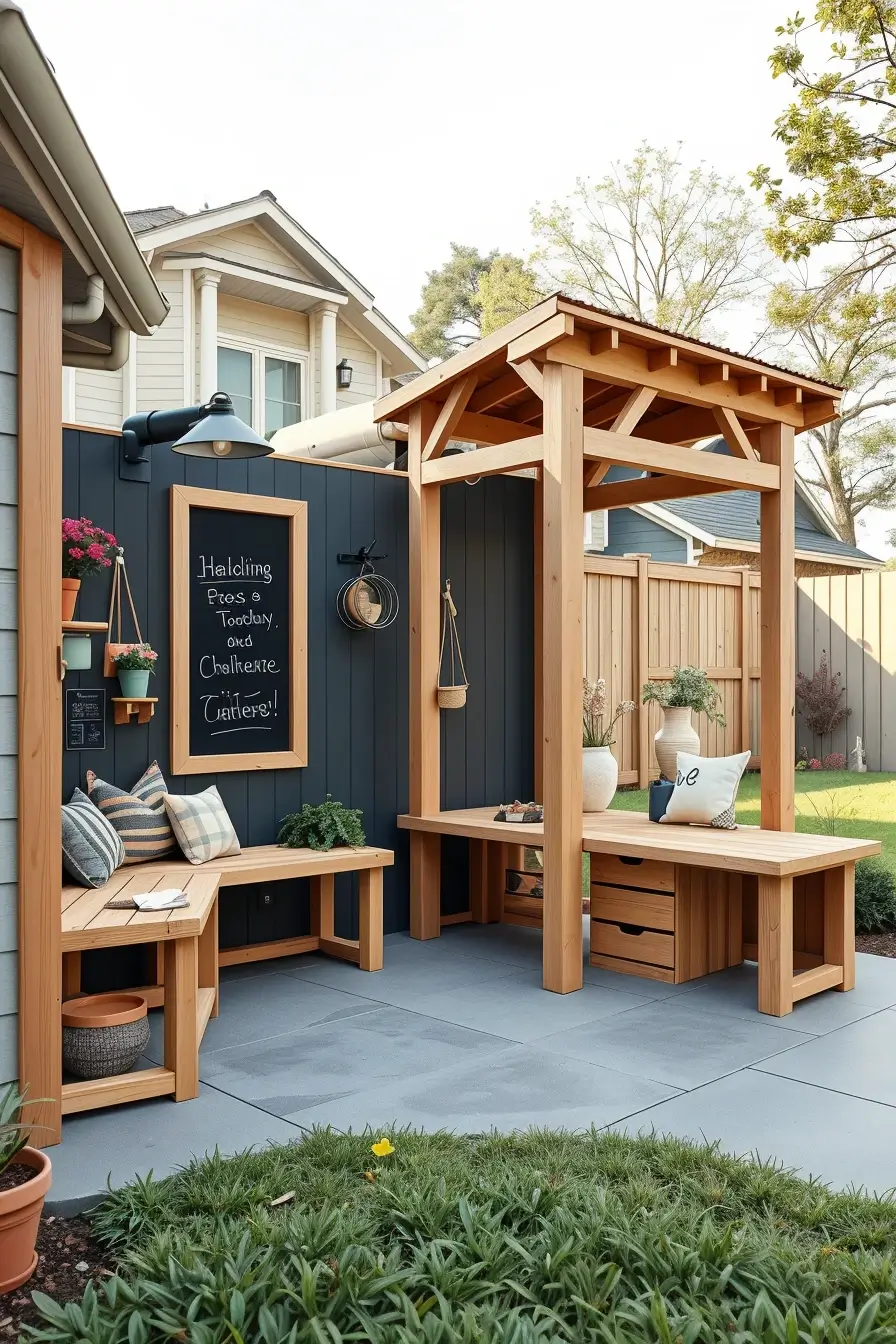
In these spaces, I often incorporate custom-built benches with storage, chalkboard walls with weather-resistant coatings, and simple wooden playhouses that can double as art studios or reading nooks. I choose materials like treated wood, composite decking, and outdoor-grade fabrics because they balance aesthetics with easy maintenance.
Personally, I have found that children engage longer with spaces that feel intentionally designed rather than overloaded with toys. Designers from HGTV frequently highlight that restraint in design helps kids invent their own games, and I fully support this philosophy in my work.
To enhance these areas further, I would add interchangeable activity panels or removable decor elements so parents can refresh the space seasonally without rebuilding it entirely.
17. Urban-Style Outdoor Areas For Small Yards
Urban outdoor areas require careful planning, especially when space is limited. In outdoor area ideas for kids 2026, I treat small yards like open-air rooms, using vertical design and multifunctional layouts to maximize every square meter.
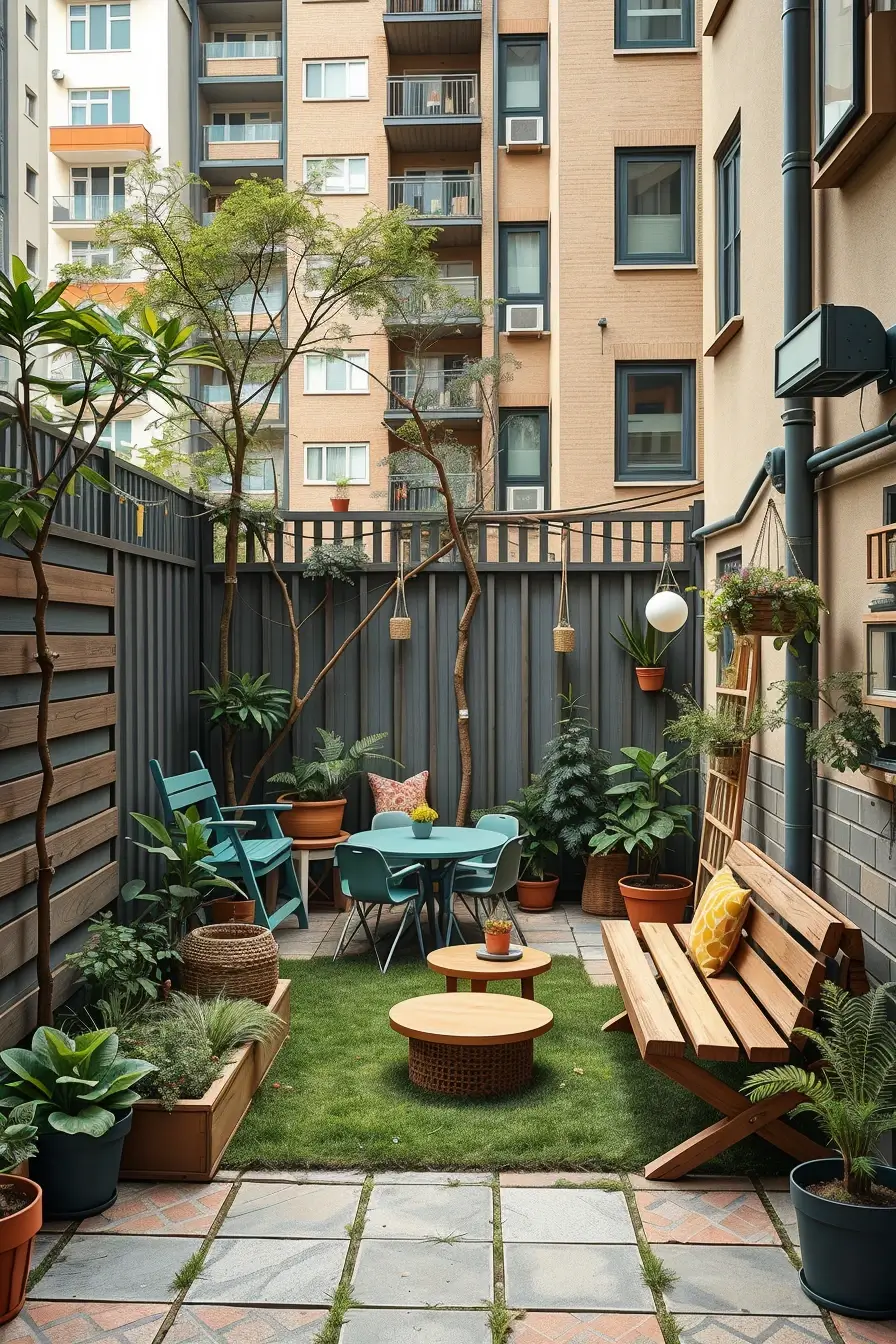
I typically include wall-mounted play features, foldable furniture, and compact play equipment that can be stored when not in use. Built-in benches along fences, slim pergolas, and integrated lighting help define the space while keeping it open and breathable.
In my professional opinion, small spaces benefit most from a strong visual theme. Experts from Dezeen often stress the importance of visual continuity in compact outdoor design, and I apply this by limiting materials and colors to avoid clutter.
What’s often missing in these spaces is dedicated storage. I always recommend adding concealed outdoor cabinets or bench storage to keep the area tidy and functional for daily use.
18. Artistic Outdoor Areas That Encourage Creativity
Art-focused outdoor areas are essential in outdoor area ideas for kids 2026 because they provide children with a space to express themselves freely. I design these areas as open, inspiring environments where creativity feels natural rather than structured.
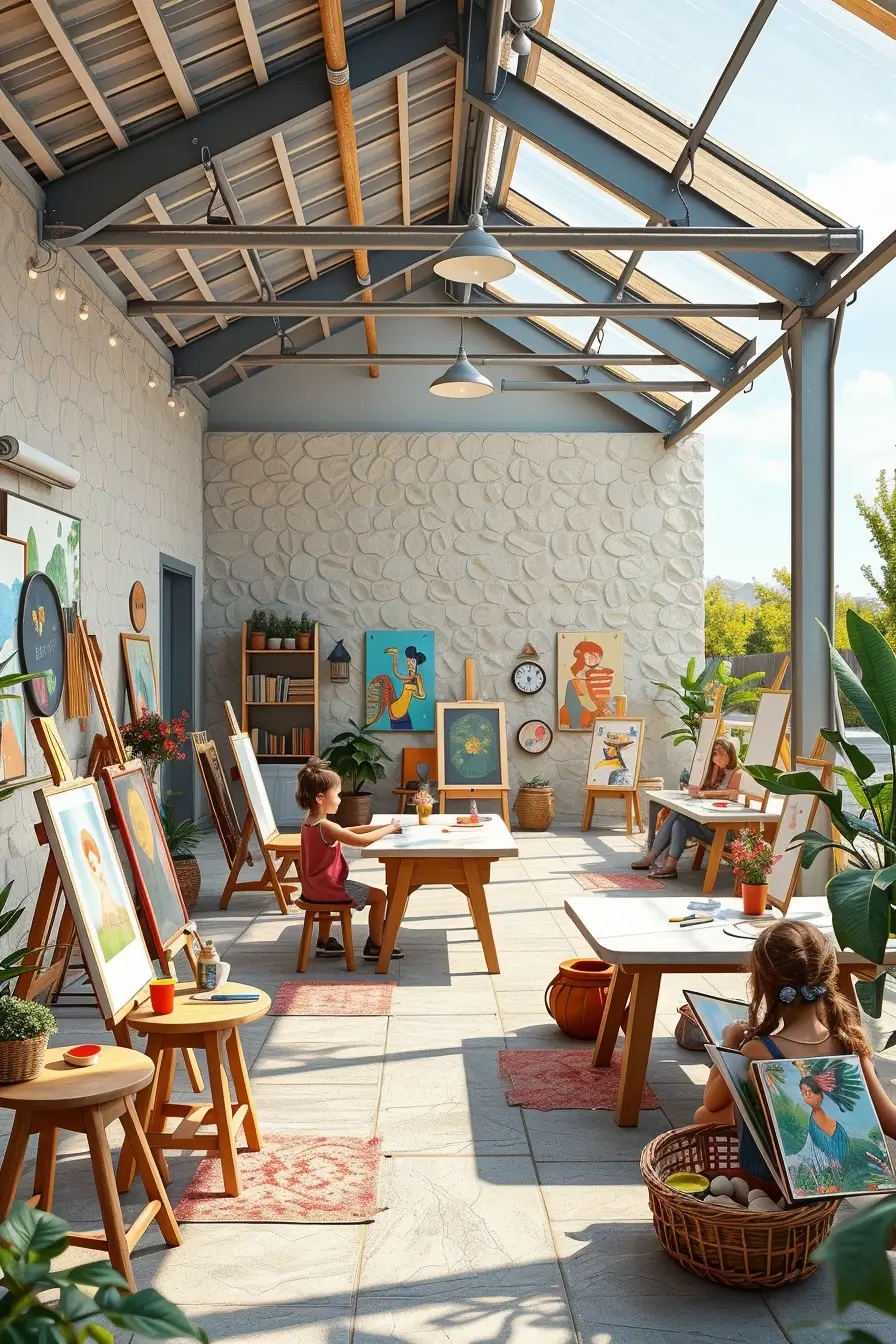
I include easels with weatherproof surfaces, large outdoor tables for crafts, and textured walls for mural painting or temporary installations. Furniture is usually lightweight and movable so children can reconfigure the space according to their projects.
From my experience, creativity thrives when children are not afraid of making a mess. Interior designers featured in The New York Times Home section often highlight the value of designated creative zones, and I strongly agree with this approach for outdoor areas.
To complete these spaces, I would add wash stations or outdoor sinks nearby, making cleanup easy and encouraging kids to use the area more often without parental hesitation.
19. Sports Court-Inspired Outdoor Areas For Active Kids
Sports-inspired designs play a major role in sports outdoor areas for kids and remain a strong trend in outdoor area ideas for kids 2026. I design these spaces to promote daily movement while remaining visually integrated into the overall yard design.
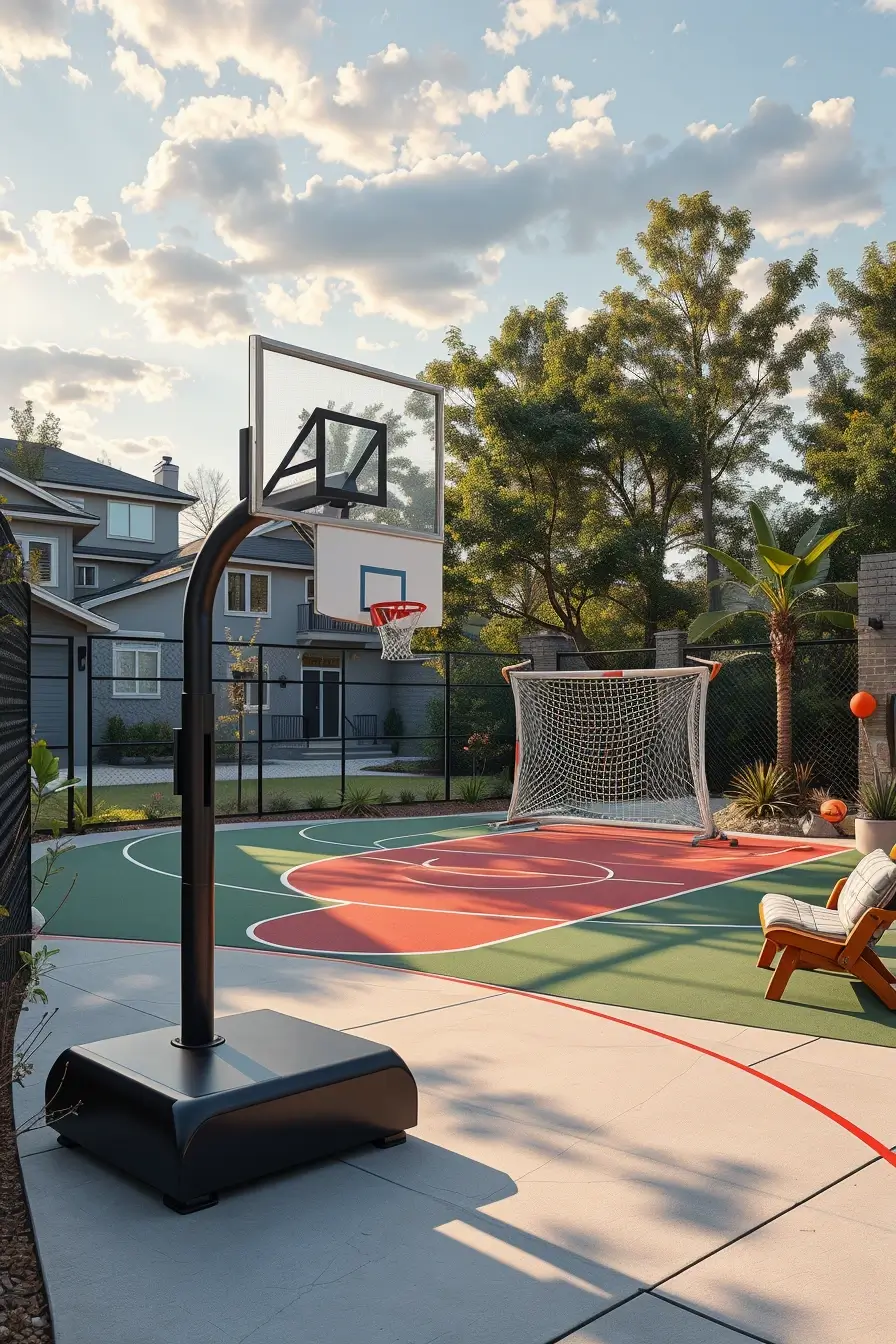
I typically install multi-use court surfaces marked for different games, combined with durable fencing, shaded seating, and hydration stations. Equipment such as adjustable hoops, removable nets, and soft-impact flooring ensures safety and adaptability.
In my professional view, movement-based play significantly supports cognitive development. Sports medicine experts frequently emphasize the link between physical activity and focus in children, which reinforces my commitment to including active zones in outdoor designs.
What I would add here is integrated storage for sports gear to maintain order and encourage kids to take responsibility for their equipment.
20. Fairy Garden Outdoor Areas For Magical Childhood Memories
A fairy-tale outdoor area brings storytelling and imagination into everyday play, making it a standout choice among outdoor area ideas for kids 2026. I design these spaces to feel immersive, calm, and enchanting without becoming overly decorative.

I use winding pathways, miniature structures, soft ground covers, and child-scale seating to create a sense of discovery. Lighting is subtle, often using solar lanterns or hidden LEDs to enhance the magical atmosphere in the evening.
From my experience, these spaces are especially beneficial for quieter children who prefer imaginative play. Designers in Country Living often note that nature-inspired fantasy spaces help children slow down and engage more deeply, which aligns with my observations.
To elevate this area further, I would add interactive storytelling elements such as rotating scene panels or small stage platforms for imaginative performances.
21. Space Rocket And Planet Playground Concepts
Space-themed outdoor areas reflect children’s curiosity about the future and technology, making them highly relevant for outdoor area ideas for kids 2026. I design these spaces as immersive environments that combine play with learning.
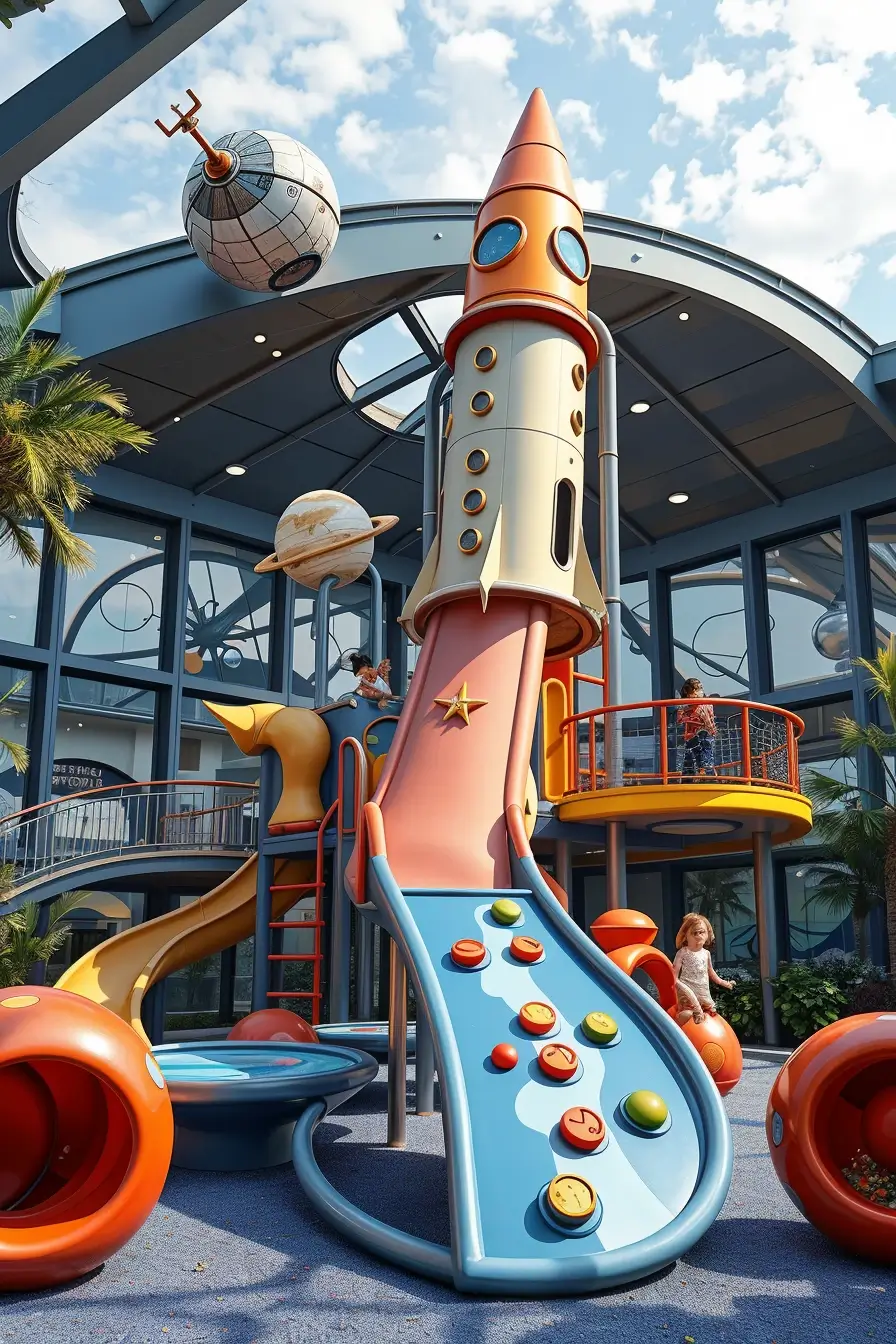
I typically include rocket-shaped climbing structures, circular platforms representing planets, and interactive panels with simple educational content. Materials are sleek and modern, with metallic finishes balanced by soft, safe surfaces.
In my opinion, themed learning spaces are most effective when they encourage exploration rather than instruction. Educational designers featured in Smithsonian Magazine often highlight experiential learning, and I apply this by letting children invent their own space missions.
What I would add to this concept is subtle nighttime lighting that simulates stars, extending the play experience into early evenings without overwhelming the space.
22. Coastal And Beach-Inspired Outdoor Areas For Kids
I design coastal and beach-inspired outdoor areas as calm yet engaging environments that bring the feeling of the sea into everyday play. Within outdoor area ideas for kids 2026, this concept blends relaxation with sensory experiences, using open layouts that encourage barefoot movement, imaginative play, and social interaction.
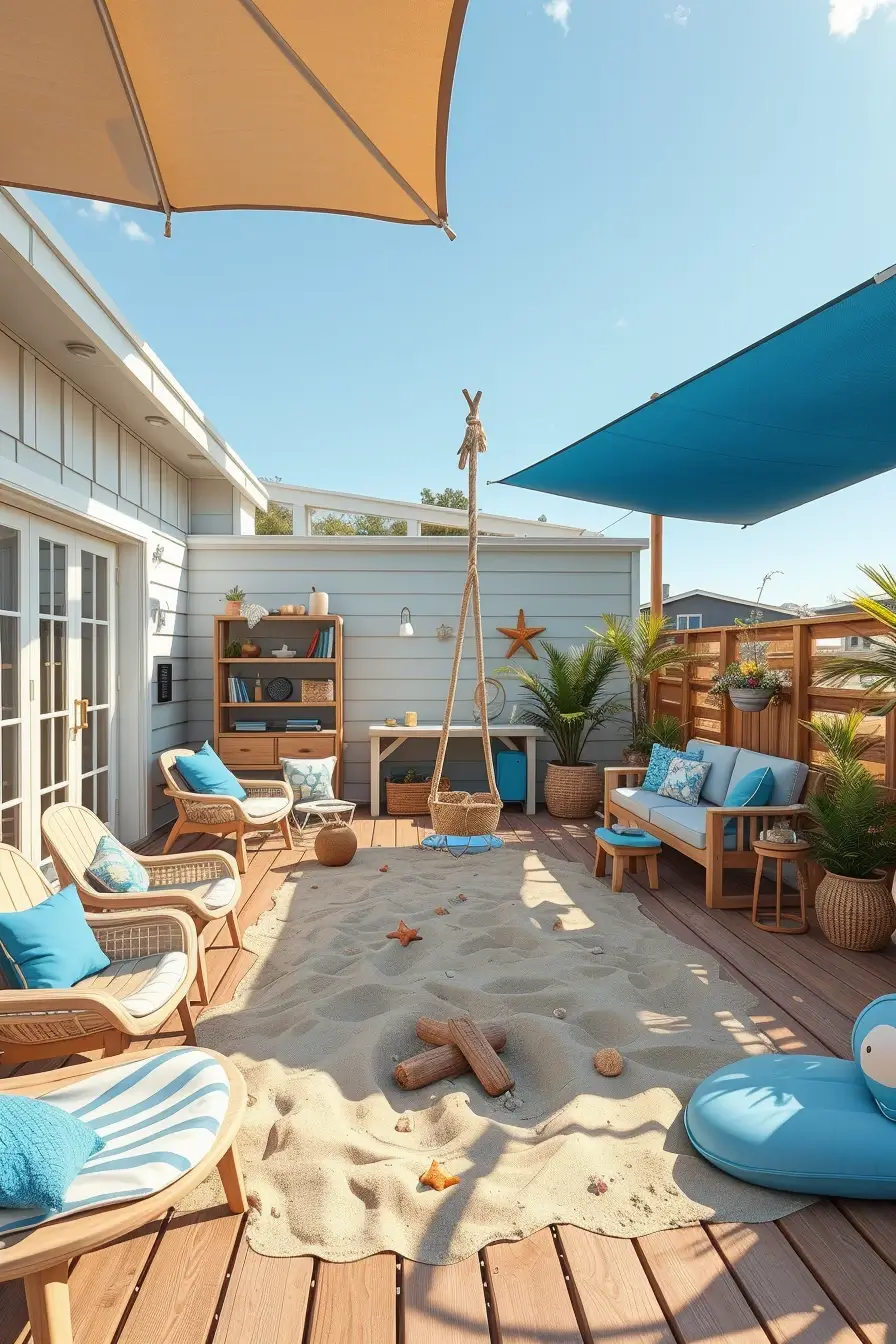
I usually include sand play zones with clean borders, weather-resistant loungers sized for kids, rope swings, and low wooden decks that resemble boardwalks. Light-toned wood, soft blue accents, and shaded canopies are essential, as they help regulate temperature while visually reinforcing the sea-inspired theme.
From my professional perspective, coastal-inspired outdoor design is often recommended by designers featured in Coastal Living because it naturally lowers stress levels and promotes open-ended play. I’ve noticed that children tend to stay longer in these spaces, moving fluidly between active and quiet activities.
To improve this type of area, I would add integrated water play features with proper drainage to expand sensory play while keeping maintenance manageable.
23. Modular Outdoor Areas That Change With Play Needs
Modular outdoor areas are, in my view, one of the smartest modern solutions within outdoor area ideas for kids 2026. These spaces are designed to evolve, allowing families to rearrange layouts as children’s interests and abilities change over time.
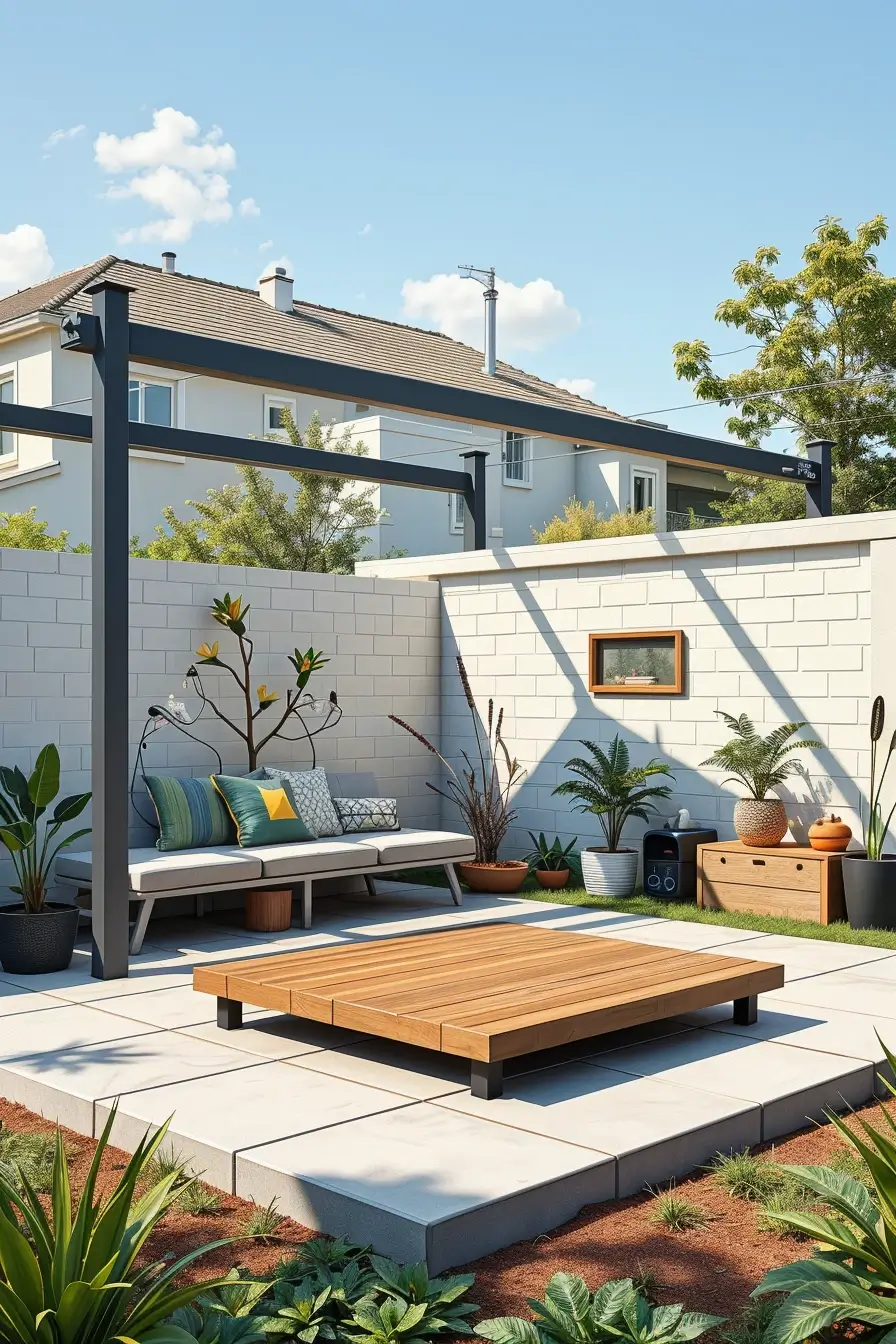
I work with modular platforms, stackable seating, movable climbing elements, and interchangeable panels that can switch between games, art, or learning activities. Each piece is lightweight yet durable, ensuring children can safely interact with the space while parents can easily adapt it.
In my experience, flexibility is key to long-term satisfaction. Designers from Dwell frequently emphasize adaptable outdoor environments, and I align with this philosophy by prioritizing systems rather than fixed installations.
What I would add to modular areas is a clear storage strategy, such as labeled outdoor bins or concealed compartments, so transitions between play setups remain smooth and organized.
24. Adventure Obstacle Course Outdoor Areas For Kids
Adventure obstacle course designs focus on movement, coordination, and confidence, making them ideal for sports outdoor areas for kids within outdoor area ideas for kids 2026. I design these spaces to feel exciting without sacrificing safety or visual balance.
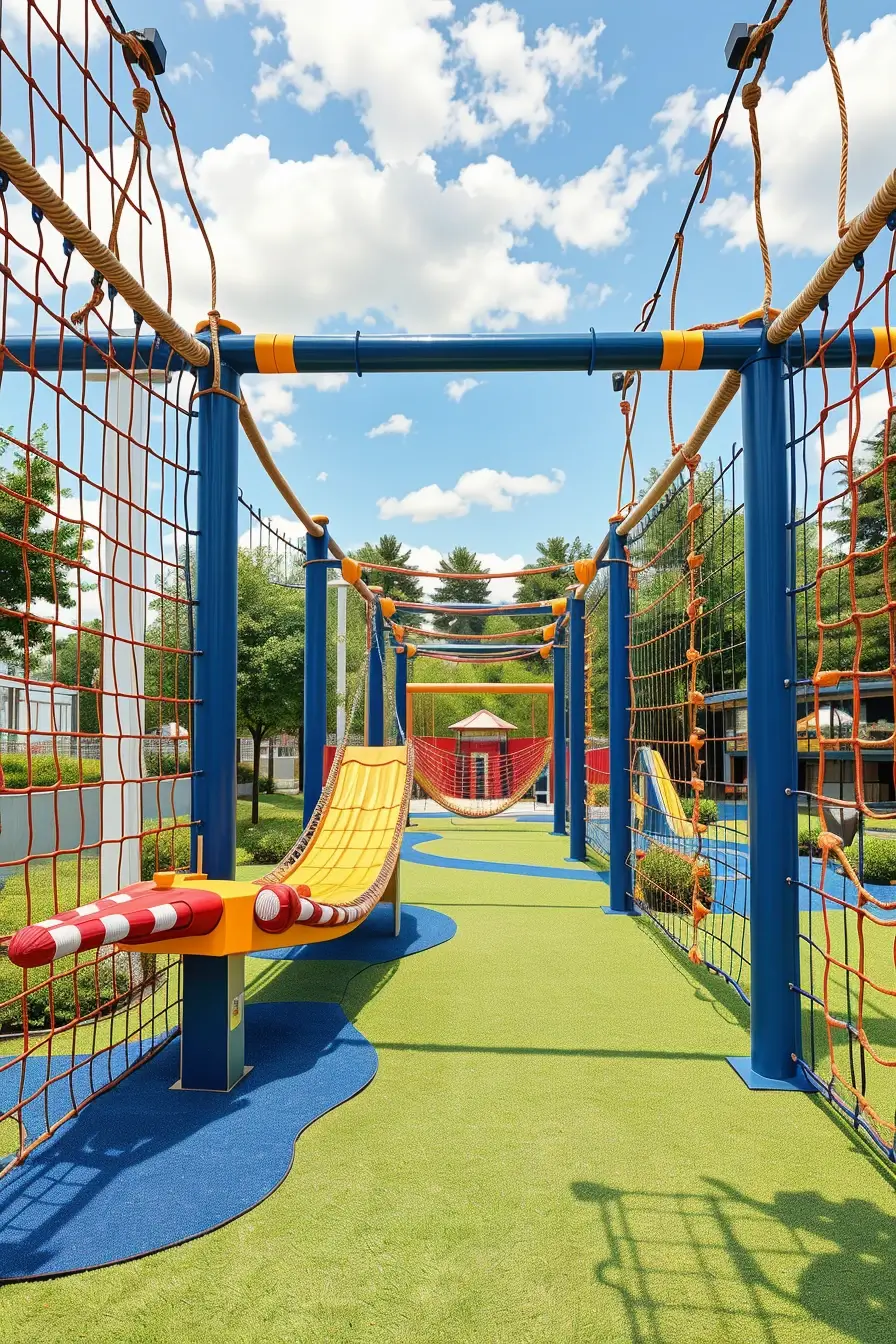
I include rope bridges, balance beams, climbing nets, and soft landing zones arranged in a logical flow. Materials are chosen for grip and durability, and layouts are adjusted to fit both small and large outdoor areas.
From my professional standpoint, physical play that challenges balance and strength is crucial for child development. Experts cited in Parents Magazine often highlight obstacle courses as tools for building resilience, which reinforces my approach to these designs.
To enhance this area, I would incorporate adjustable difficulty levels so the course can grow with the child rather than becoming outdated too quickly.
25. Calm And Relaxing Outdoor Areas For Quiet Play
Not all children seek constant activity, which is why calm outdoor zones are an important part of outdoor area ideas for kids 2026. I design these areas as peaceful retreats that support reading, quiet games, and emotional regulation.
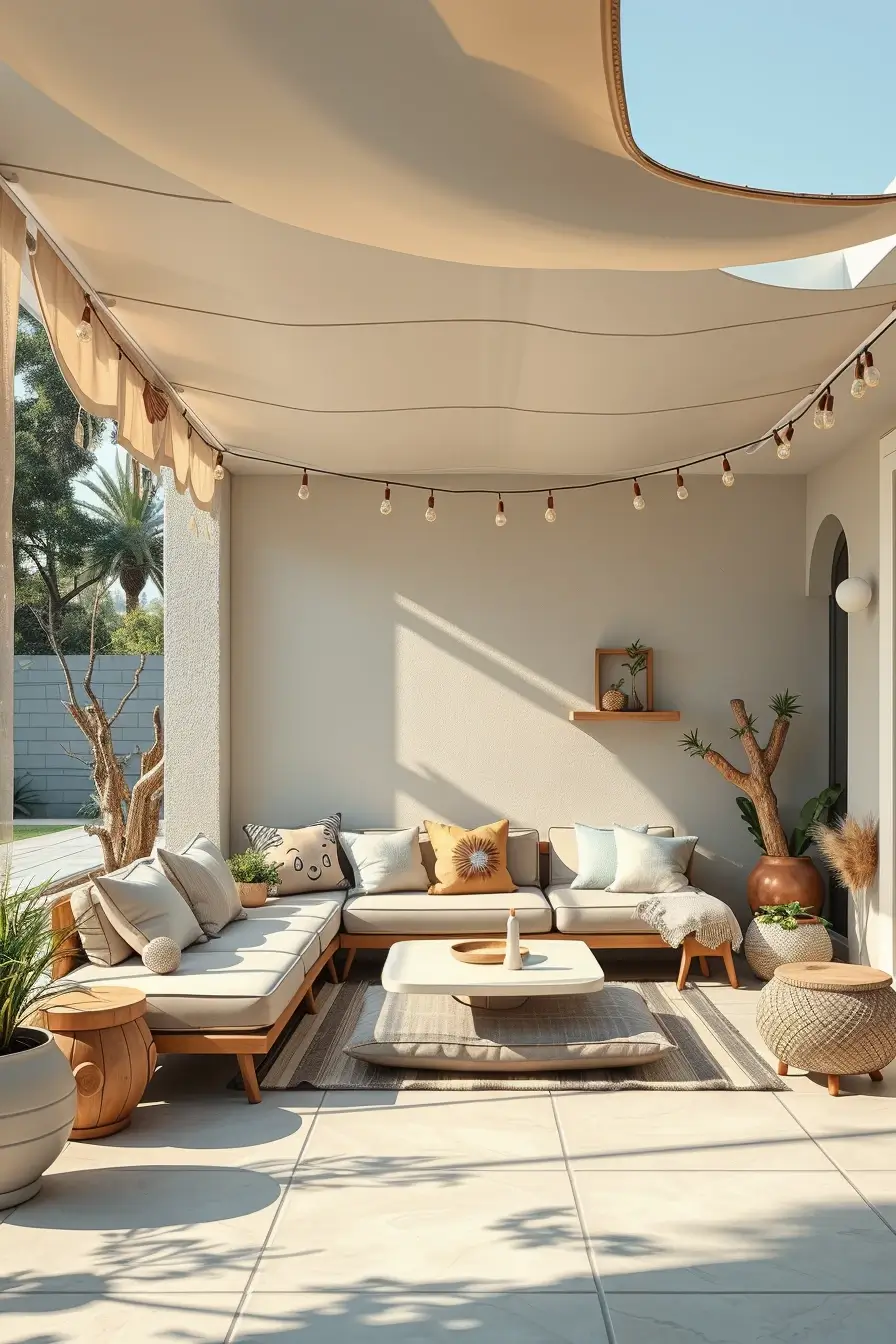
I typically include cushioned seating, shaded nooks, soft flooring, and gentle color palettes. Furniture is arranged to create small, enclosed-feeling spaces without blocking airflow or visibility.
In my experience, design professionals from The Spruce often stress the importance of quiet zones in family homes, and I’ve seen firsthand how these areas help children recharge and focus better afterward.
What’s often missing here is subtle sensory detail, so I recommend adding elements like textured cushions or soft wind features to enrich the experience without overstimulation.
26. High-Tech Interactive Outdoor Areas For Kids In 2026
High-tech outdoor areas reflect how technology and play are merging in outdoor area ideas for kids 2026. I design these spaces to integrate technology thoughtfully, ensuring it enhances rather than replaces physical interaction.
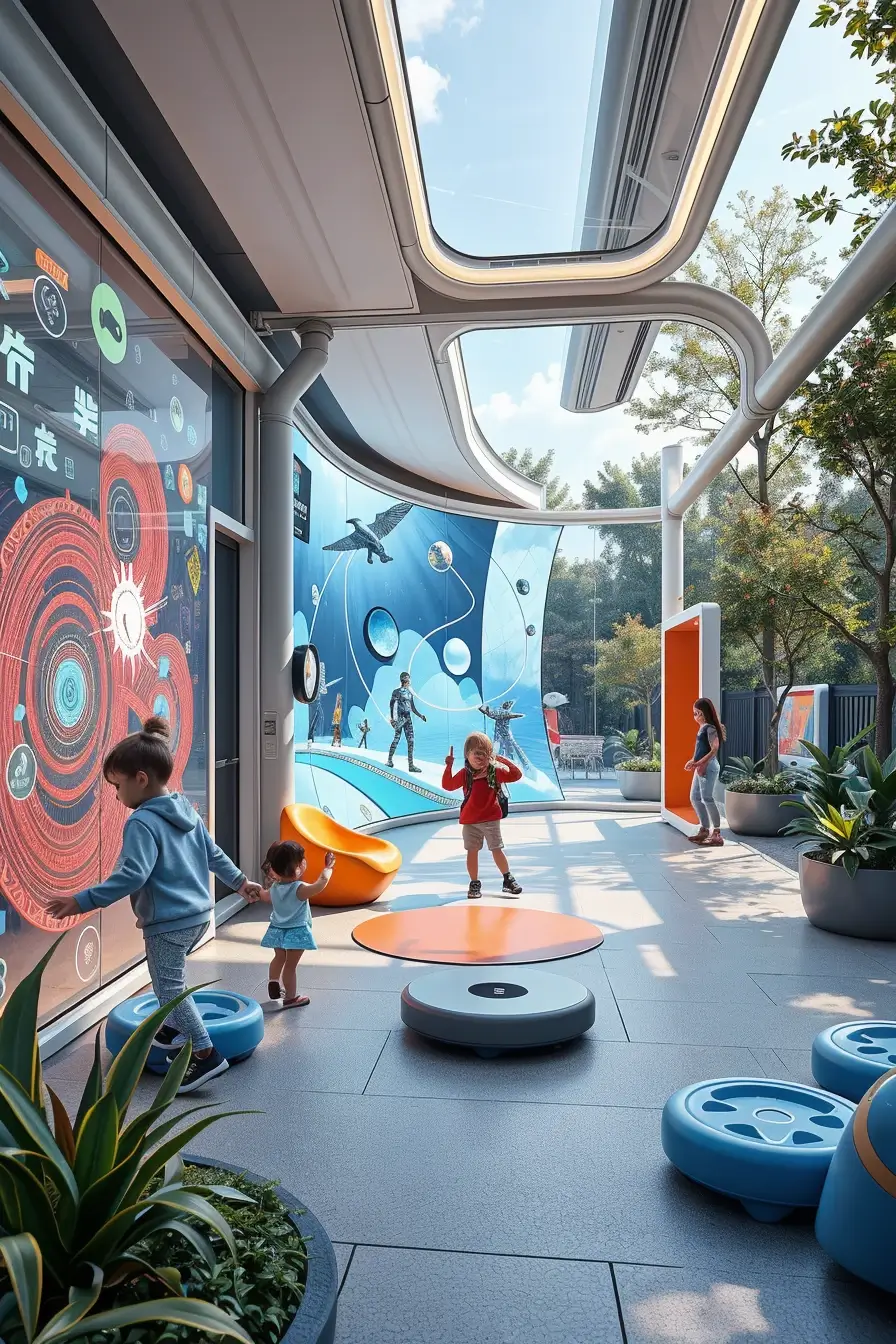
I include interactive walls, motion-activated games, smart lighting, and weather-resistant digital panels that encourage learning through movement. All technology is seamlessly built into the environment to maintain a clean, modern aesthetic.
From my professional view, experts from Wired and similar tech-focused publications emphasize balance when introducing technology to children. I apply this by pairing digital features with physical play elements to avoid passive screen use.
To improve these spaces, I would add parental control systems that allow customization of content and usage times.
27. Inclusive Outdoor Areas Designed For All Abilities
Inclusive outdoor areas are essential in outdoor area ideas for kids 2026, ensuring that children of all abilities can play together comfortably. I design these spaces with universal access in mind, without making the design feel clinical.
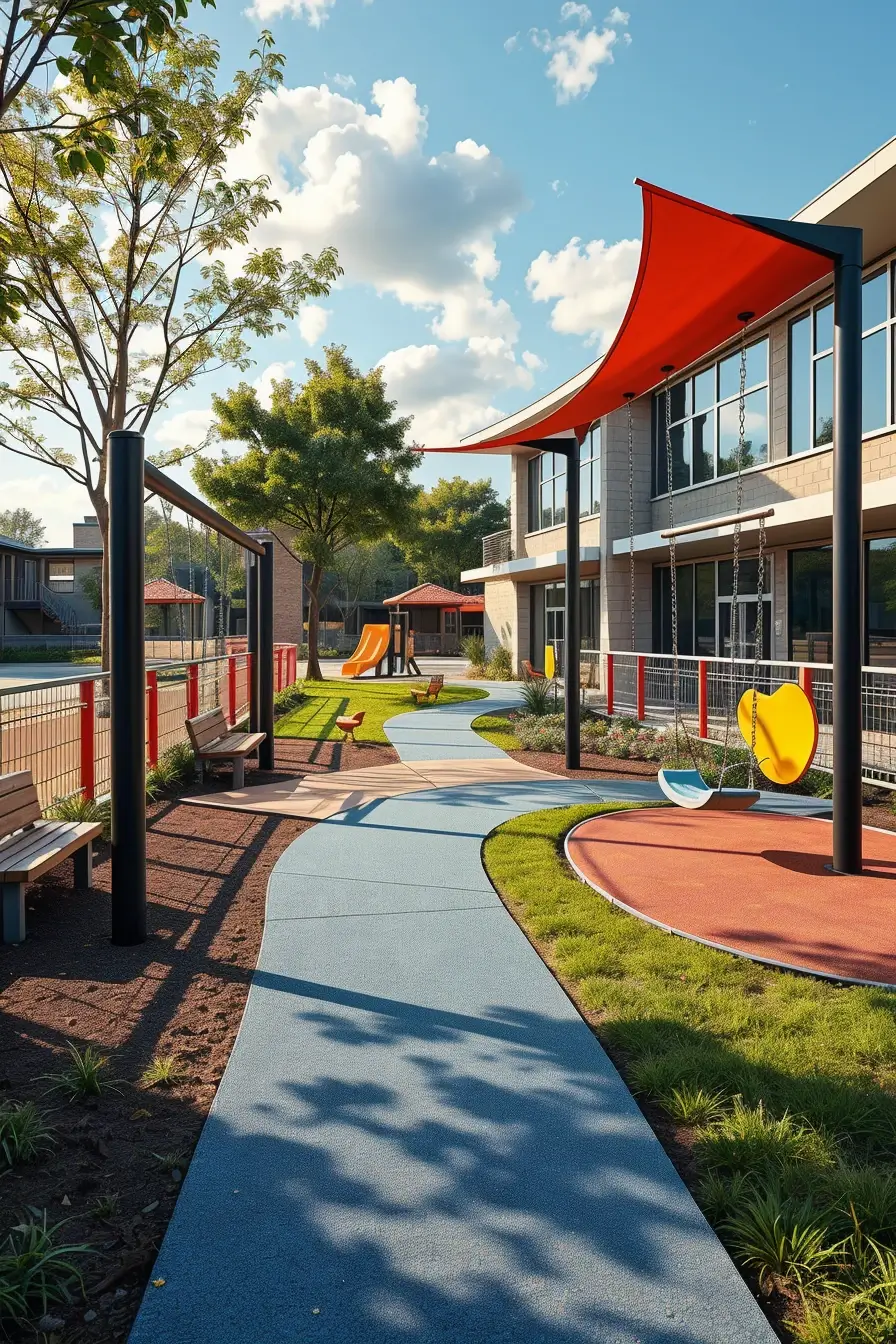
I use smooth pathways, sensory panels, adaptive swings, and seating that accommodates different physical needs. Visual cues and tactile elements help children navigate the space independently.
In my professional experience, inclusive design principles promoted by organizations like the American Society of Landscape Architects strongly influence how I approach these projects. Well-designed inclusive spaces foster empathy and shared experiences among children.
What I would add to inclusive areas is clearer zoning that allows both active and sensory-sensitive children to coexist without conflict.
28. Outdoor Area Ideas For Kids 2026 That Inspire Future Generations
This final concept brings together unique, themed, and forward-thinking ideas to create outdoor areas that inspire curiosity and responsibility. In outdoor area ideas for kids 2026, I focus on sustainability, creativity, and long-term impact.
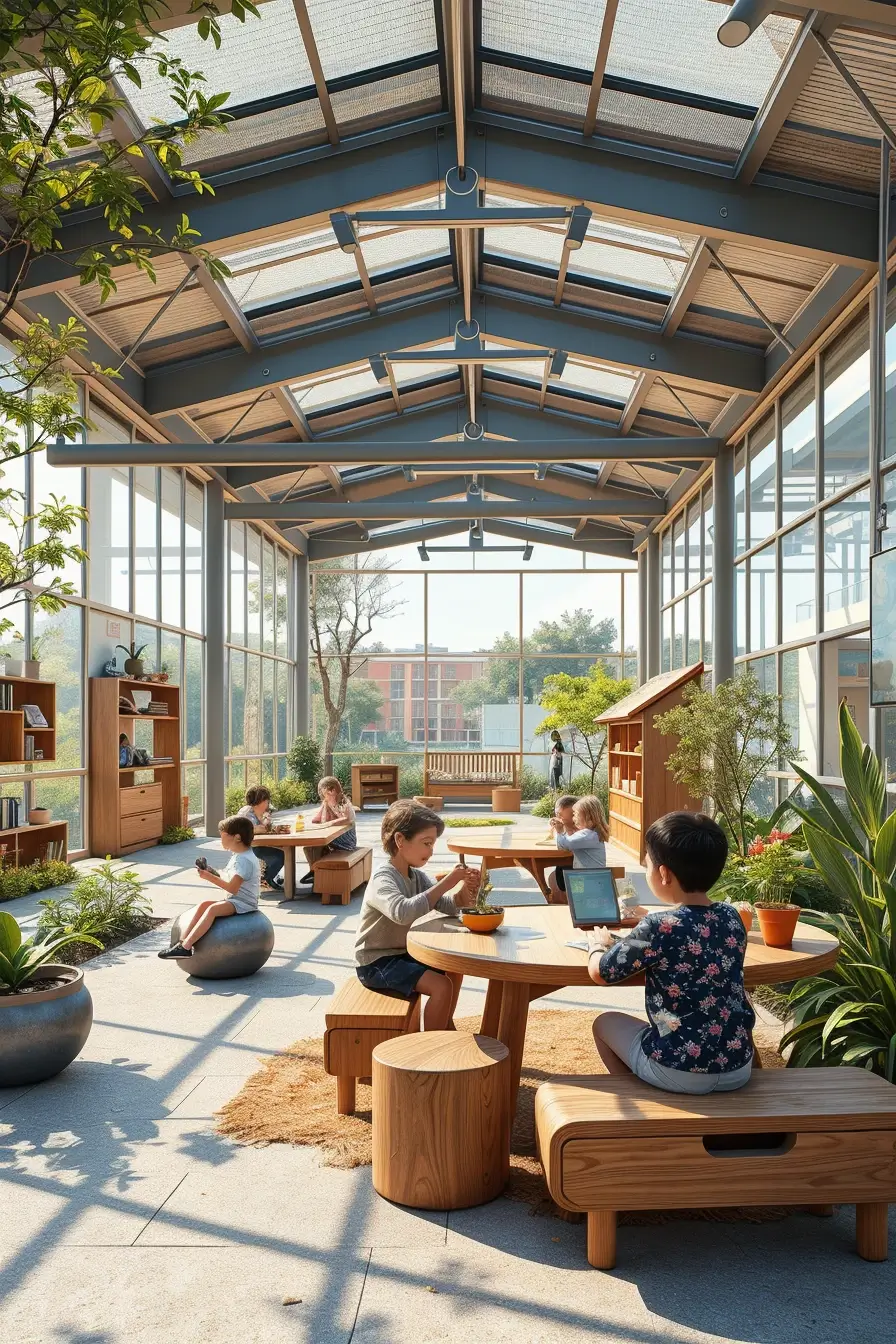
I often include learning stations, flexible gathering spaces, and design elements that subtly reference science, nature, and global cultures. Furniture is durable, timeless, and adaptable to different uses over many years.
From my perspective, future-focused outdoor design should encourage children to think beyond play. Designers writing for Fast Company frequently highlight environments that shape values, and I see these spaces as tools for nurturing thoughtful, engaged individuals.
To complete this concept, I would integrate community-oriented features that allow shared use, reinforcing social connection and collaboration.
Outdoor play areas in 2026 are evolving into thoughtfully designed environments that support creativity, health, and emotional growth. I invite you to share your thoughts or personal experiences in the comments and tell me which outdoor area idea you would love to create for children.